
Article: Unfiltered or Filtered Olive Oil: What's the Difference? Which Should You Choose?
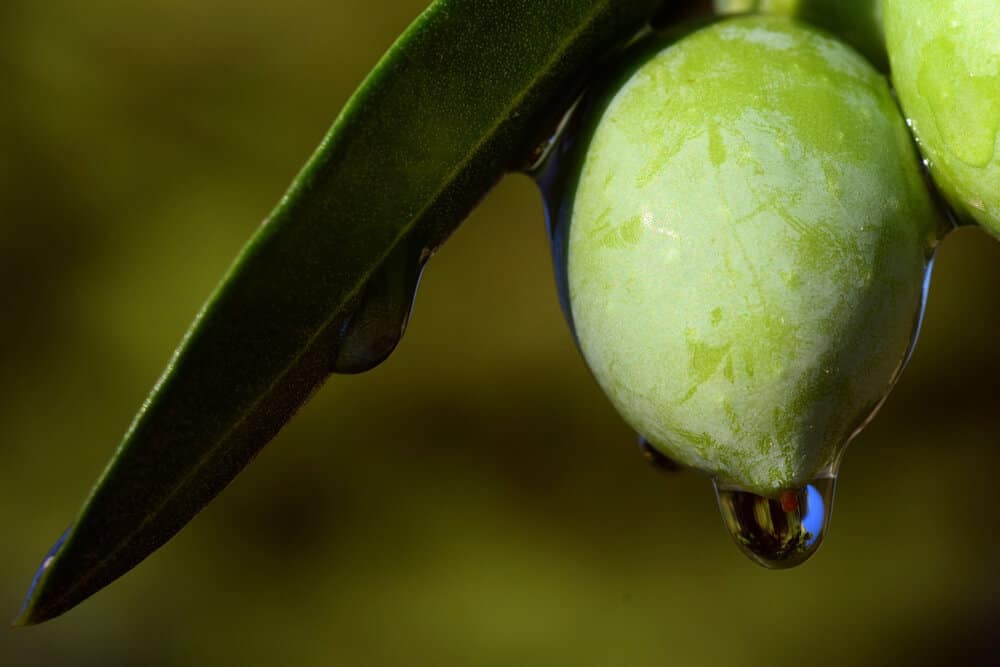
Unfiltered or Filtered Olive Oil: What's the Difference? Which Should You Choose?
One of the topics most frequently raised by members of the Mi Oliva Gourmet Club is unfiltered olive oil versus filtered: What are the differences? Which should you choose? Which is better for eating raw? Which is better for cooking? And many other related questions.
First of all, it's worth noting that an unfiltered Extra Virgin Olive Oil is not better or worse than a filtered one — both retain the same properties, with acidity and organoleptic qualities intact in either type.
Secondly, filtered olive oil is what you'll typically find in any shop, supermarket or hypermarket, as filtered oils are the most widely distributed. It is very rare to find or buy an unfiltered Extra Virgin Olive Oil in these outlets.
There is also an additional complication: under current regulations, the designation "unfiltered" cannot appear on the label, as it is not recognised as an "official" product attribute.
However, it is permitted to include it in the product description — so in some physical shops and across all online stores, when you buy an unfiltered olive oil, this characteristic does appear in the product description.
In short: if the product description (never the label) does not say "unfiltered," you're looking at a filtered olive oil. Finally, the production process for "unfiltered" olive oil is typically reserved for Extra Virgin Olive Oils of superior quality. I have yet to come across an unfiltered olive oil that isn't Extra Virgin — though there are plenty of filtered Extra Virgin Olive Oils, filtered Extra olive oils and standard olive oils, the latter two always filtered.
How is unfiltered Extra Virgin Olive Oil made?
To obtain a superior-quality Extra Virgin Olive Oil, once the harvest is complete the olives must go through a series of manual and mechanical processes — including, for example, a horizontal centrifuge that separates solids and removes all impurities. For an Extra Virgin Olive Oil, no chemical or thermal processes are used, preserving this freshly pressed olive juice in all its excellence and maintaining its full organoleptic properties: the intense, distinctive aroma and flavour that define it.
The final stage in the production of Extra Virgin Olive Oil, before bottling, is the filtration process. Here, the remaining pulp and olive stone particles are separated from the clean, bright natural olive juice, along with any remaining impurities. This is achieved through decanting in a series of tanks with paddles that stir the oil over several days — producing a filtered Extra Virgin Olive Oil of the highest quality, with all its properties and fatty acids fully preserved.
In the case of unfiltered olive oil, this process lasts only a few hours, meaning only the heaviest particles settle out, while the rest remain suspended in the oil — some impurities always remain. This is why experts refer to these suspended particles as "impurities" in unfiltered olive oils. In the past, this filtration stage was not carried out at all, which allowed every nuance of the oil's unique flavour and aroma to come through. That's why many of you, when you taste our unfiltered olive oil, are reminded of the oil from your childhood — a natural olive juice with a more intense flavour and a beautifully cloudy appearance that is truly one of a kind 😉
For this reason — the fact that unfiltered olive oil contains particles in suspension — some people prefer not to use it in a deep fryer, because the heat causes these particles to settle (as sediment) and collect at the bottom. This is one of the main practical differences between filtered and unfiltered oil.
Personally, I can't stand deep fryers — I'm a frying pan person. So that's never been an issue for me. I love using unfiltered olive oil for frying: it never turns black and keeps its character intact, because I replace it with each use.
And for even better results, using a frying pan means the oil never reaches very high temperatures, which helps preserve the olive oil and its properties for longer. In a deep fryer, it's easy to heat the oil to 180°C or above — and at those temperatures, the shelf life of an Extra Virgin Olive Oil is reduced, as it loses many of its beneficial properties, its quality deteriorates, and it leaves residue at the bottom of the container.
So, it's far better to use an Extra Virgin Olive Oil for frying than any lower-quality oil. And not just for the flavour — if you use it at the lowest possible temperature and in a frying pan, it will retain much of its positive attributes and natural antioxidants.
Visible differences between filtered and unfiltered olive oil
The key difference between unfiltered and filtered oils lies in the fact that unfiltered oils contain traces of impurities and moisture — particles from the mixture of oil and vegetable water that come directly from the olive fruit itself, since they have not gone through the full filtration process and are not completely free of impurities.
When olive oil is filtered, as mentioned earlier, these small impurities are removed, along with pulp residue and water particles from the freshly pressed olive juice. As a result, filtered olive oil has a clean appearance with a lighter, more golden colour after decanting.
By contrast, unfiltered olive oil has a slightly more greenish colour and a cloudy appearance, especially at the start of the new harvest. When you pour it, you may also notice it feels slightly denser than conventional oil, due to the impurities and particles suspended within it.
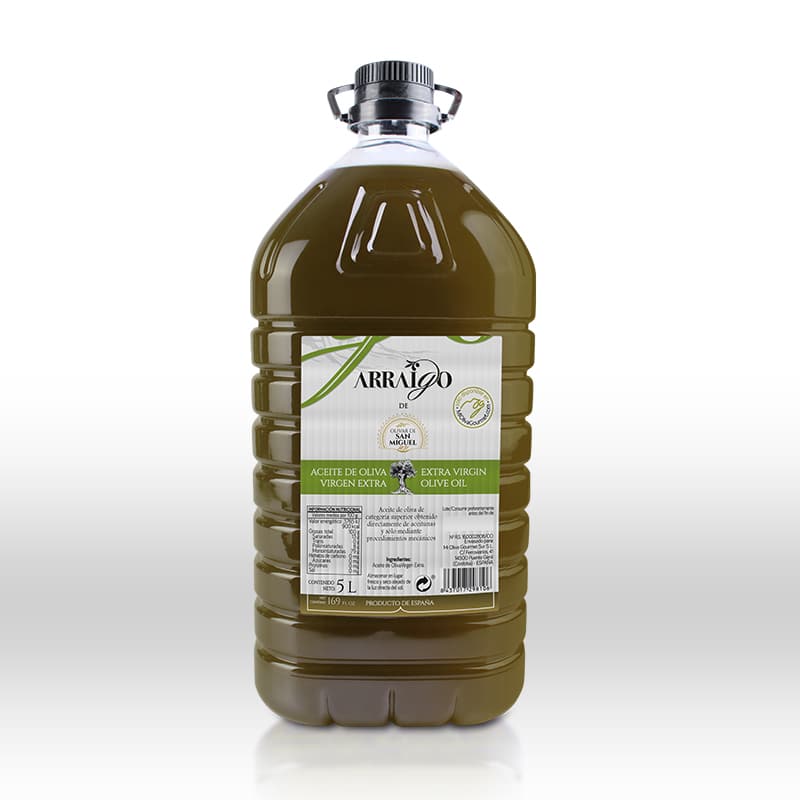
In the bottle or jerrycan, unfiltered olive oil has a more opaque appearance — less transparent and slightly cloudy — for the same reason described above.
It's worth noting that, over time, bottled unfiltered olive oil undergoes natural decanting: the heavier particles gradually settle to the bottom. This also brings a gradual loss of that deep green colour, which slowly becomes slightly more transparent. This is completely normal — unfiltered oils remain in good condition throughout, with no effect on their original flavour or fatty acid profile, both of which stay fully intact.
If you'd like to buy an unfiltered Extra Virgin Olive Oil, we recommend browsing our selection of unfiltered oils in the Picual variety. You can place your order in our online store.
Differences in flavour between unfiltered and filtered olive oil
Unfiltered olive oil has a slightly more intense flavour than filtered oil — though this is further heightened by the visual experience we described earlier.
Tasting a recipe off a plastic plate is not the same as sitting down at a properly laid table. Our minds prime us to savour, to detect nuances and aromas we might otherwise miss.
Picture yourself pouring a denomination of origin unfiltered Extra Virgin Olive Oil of the Picual variety — almost as if it were freshly pressed — with that colour, that intense aroma and flavour, that dense texture as it slowly spreads across a beautiful slice of sourdough bread. Its freshest possible scent takes you straight to the purest olive grove and its diatomaceous earth, where this treasure is grown, filling your senses — alongside a good glass of freshly squeezed orange juice... My mouth is watering just thinking about it. Is yours?
Tasting an unfiltered oil and tasting a filtered oil are simply not the same experience. Yes, experts will tell you there's barely any difference in flavour between an unfiltered Extra Virgin and a filtered Extra Virgin — but then, they "taste" them by drinking from a small opaque glass, unable to see the colour, the texture, or anything else... Their loss!
The truth is, the reviews our customers leave on our website speak for themselves. Here are the latest ratings we've received — and after that, I'll explain how to store unfiltered olive oil properly:
How should unfiltered olive oil be stored?
Because unfiltered Extra Virgin Olive Oil contains small amounts of suspended particles that naturally settle over time, we recommend following these tips to get the most out of it:
- Keep the oil in its original box, closed and unopened, to protect it from light.
- Store the box in a dry place at a cool, stable room temperature, away from significant temperature fluctuations.
- Once you open a container — especially a 2L or 5L one — pour the oil into a smaller dedicated container, ideally made of stainless steel. This way, you won't need to open and close the original container every day. Your oil will retain all its aromas, properties and fatty acids in the best possible condition — and every time you use it, it will taste as though the olives were pressed that same morning.
Following these tips keeps oxidation to a minimum, allowing you to maintain the oil in perfect condition for up to a year — provided it is used regularly and kept at an optimal, cool room temperature. You should also keep an eye on the best-before date indicated on the container.
As you can imagine, none of this happens in a supermarket. The oil sits exposed to light and constant temperature changes — meaning both unfiltered and filtered olive oils lose a great deal of their properties over time. Our customers notice the difference, and they appreciate the advantages of the Extra Virgin Olive Oil we offer them.
At Mi Oliva Gourmet, we bottle regularly — once a month or even more frequently. In other words, our unfiltered and filtered oils are always freshly bottled, all year round. They are among the finest Picual Extra Virgin Olive Oils on the market.
And where are they kept in the meantime? At the mill, at constant temperature and humidity, inside sealed stainless steel tanks — conditions that actively support preservation and provide a far more stable environment.
Handled with the utmost care, you might say. Why? Because it is far cheaper to do what the large supermarket chains do: buy millions of litres at a time and store pre-bottled filtered oils in logistics centres. And for that very reason, these large retailers rarely stock unfiltered oils — which is also why Extra Virgin Olive Oil prices vary so widely on the market.
If you know us and are already one of our customers, you know that we love our land, we love our oil — and above all, we know that you value this "liquid gold" of ours just as much as we do, if not more. We would never treat it any other way.
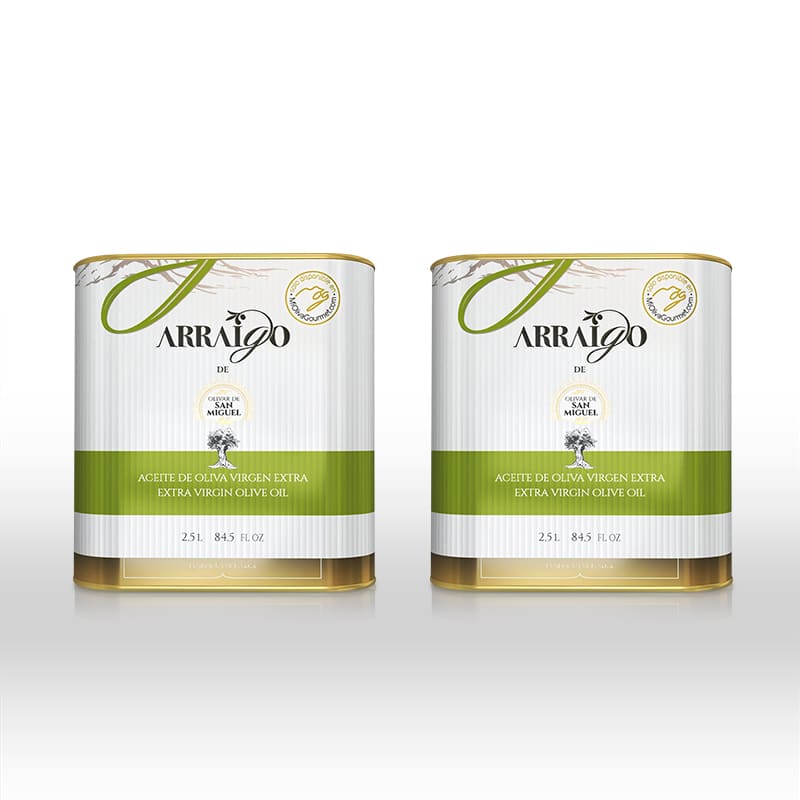
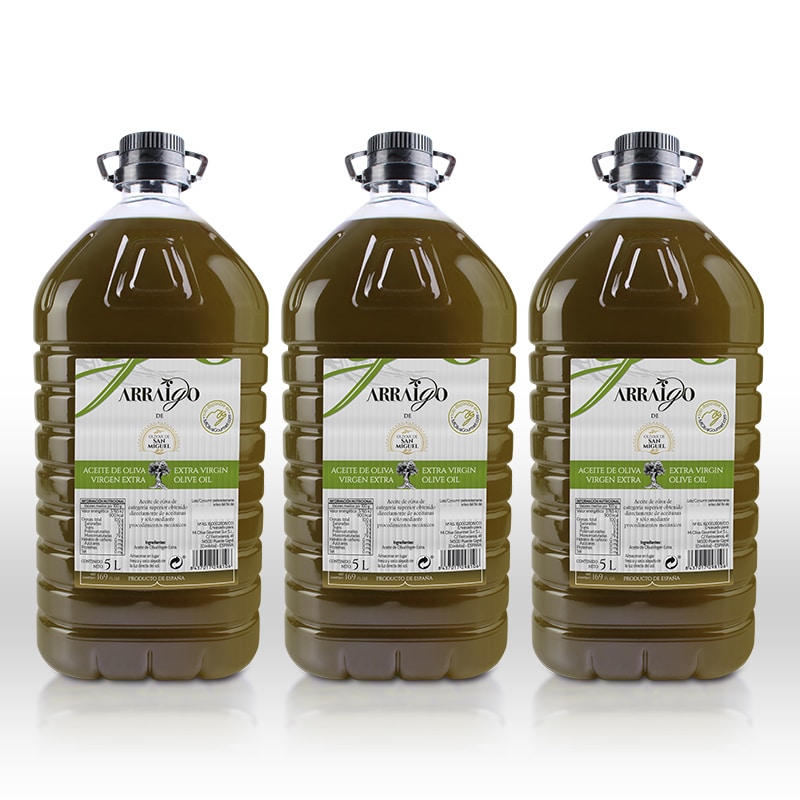
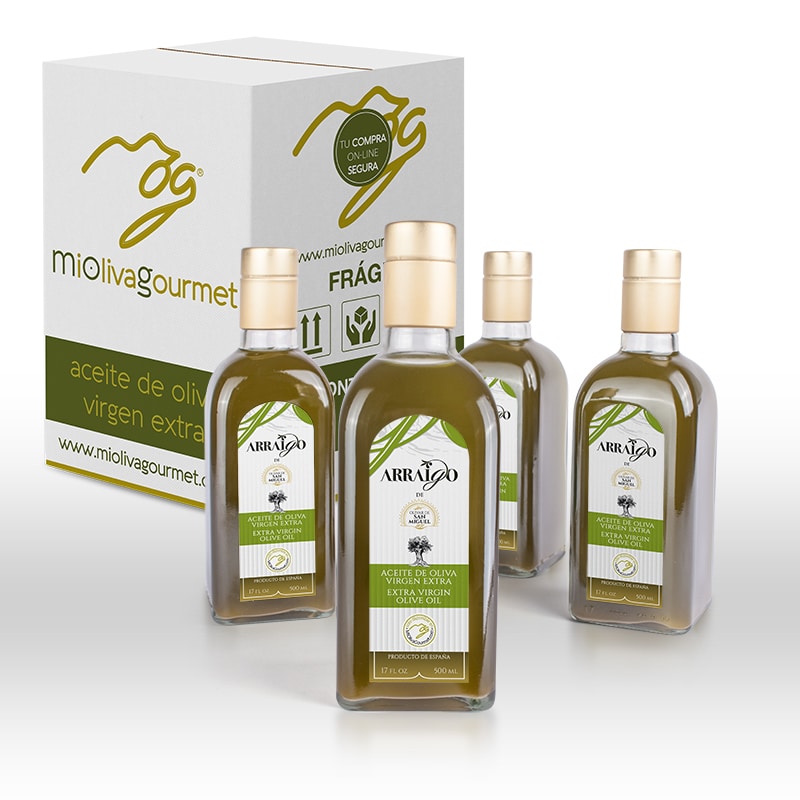
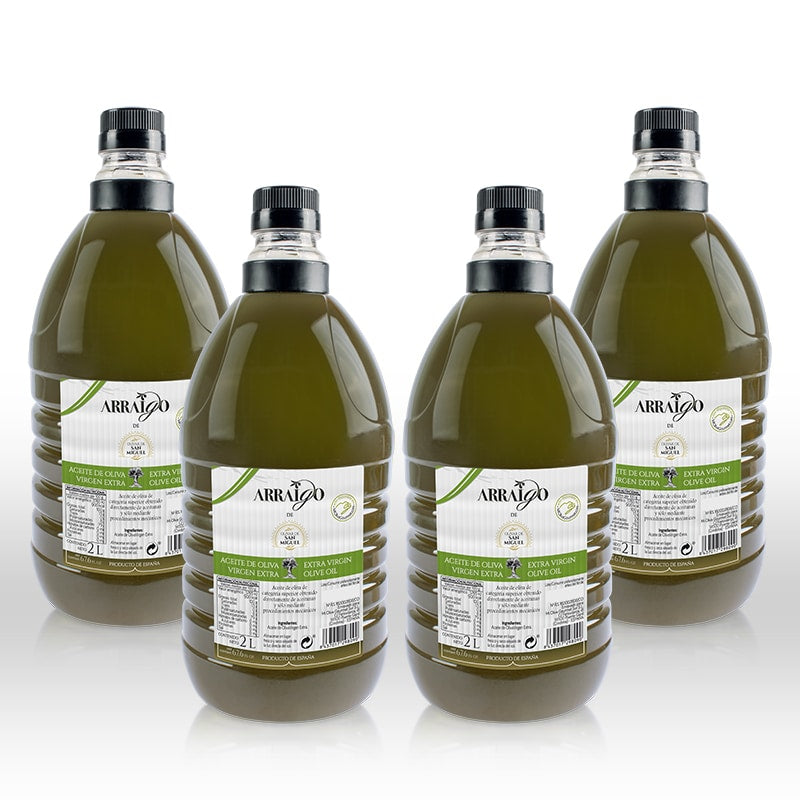
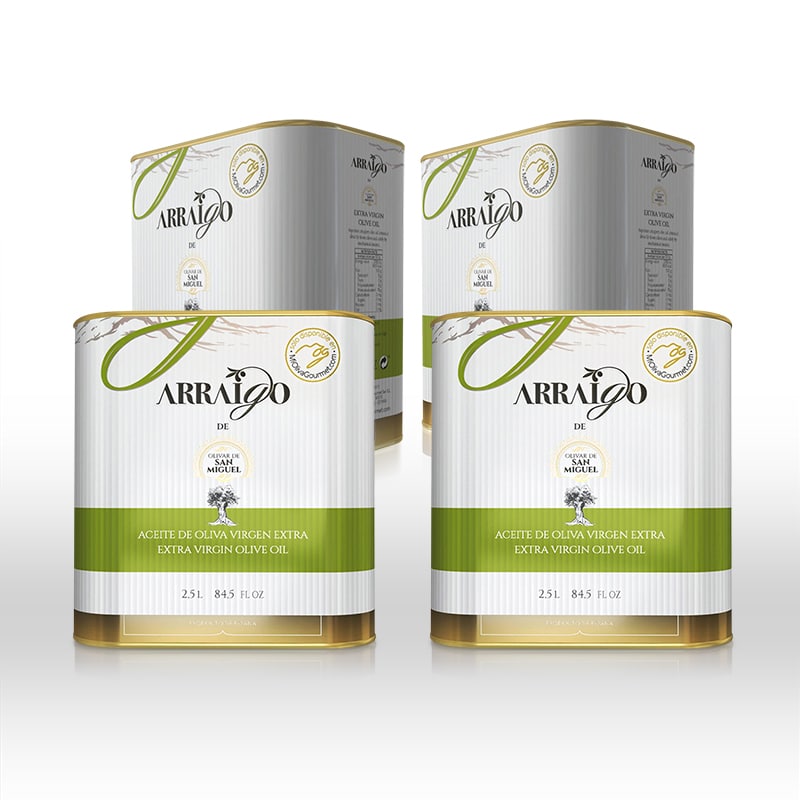
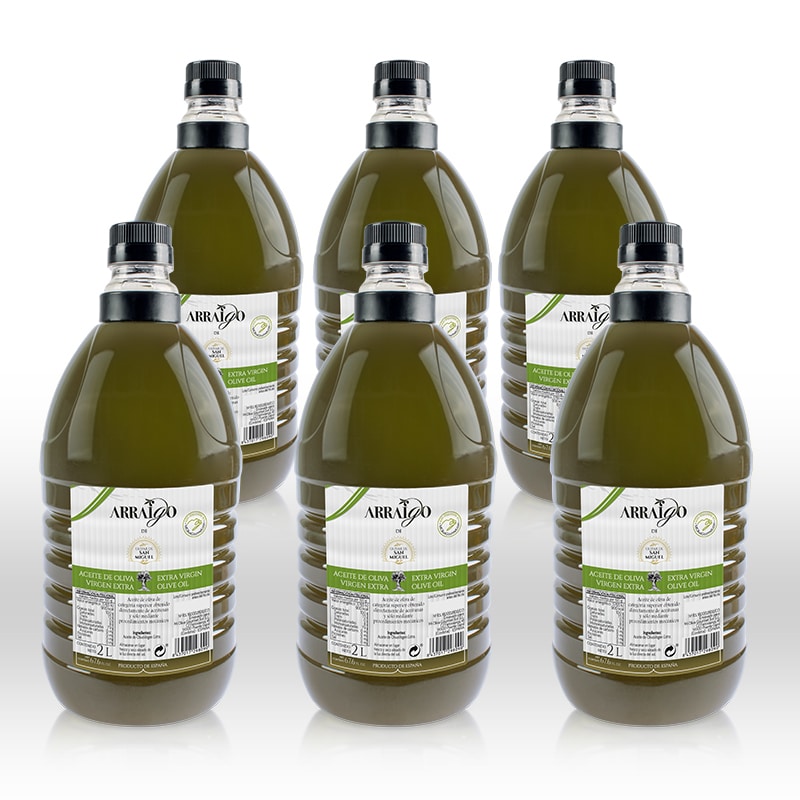
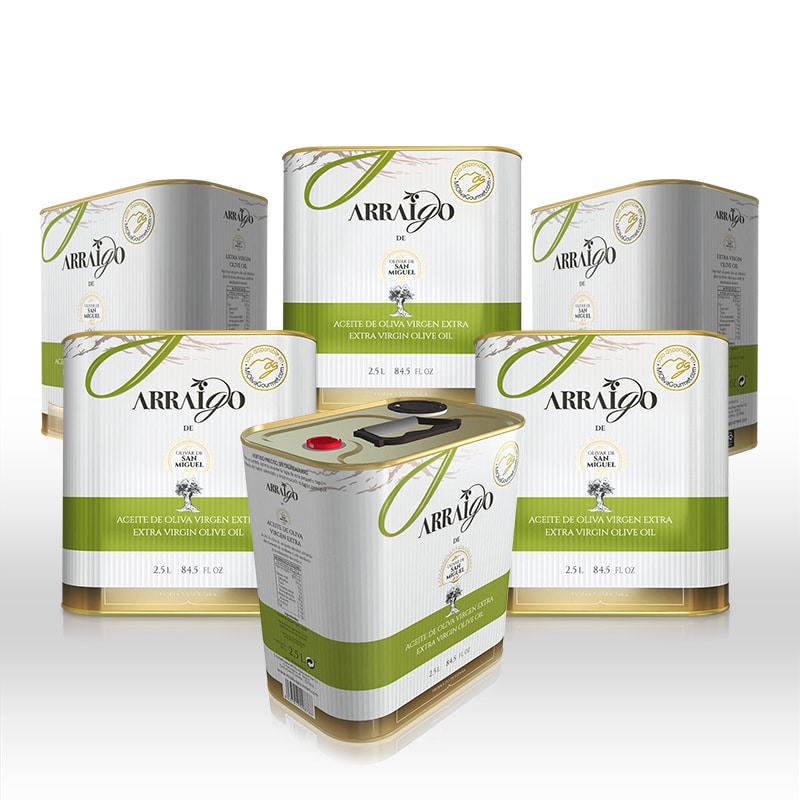
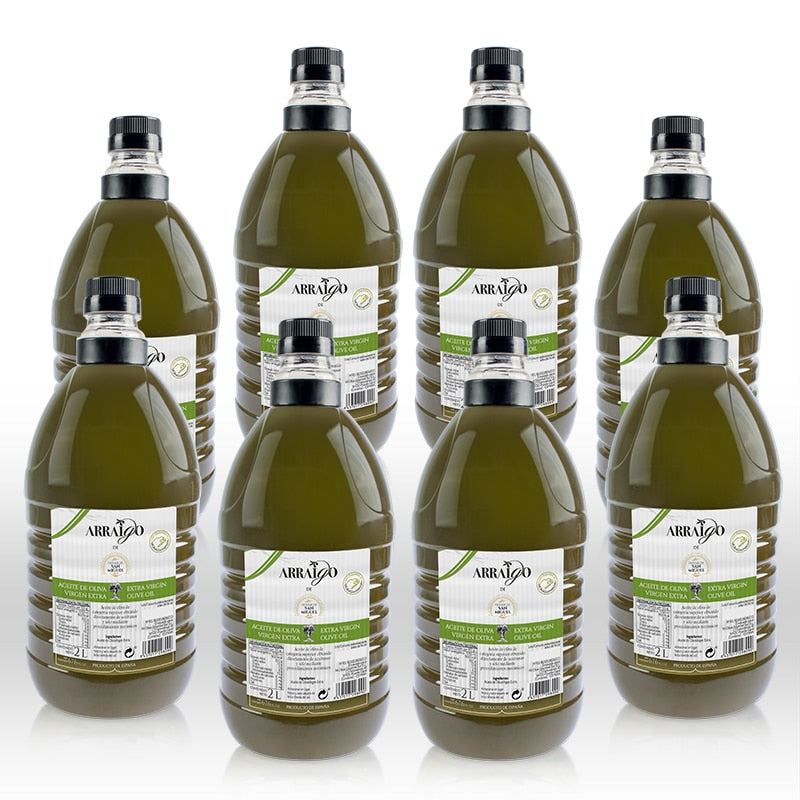
Well, dear Extra Virgin Olive Oil lover, I hope this has answered your questions — and I encourage you to try one of our unfiltered Extra Virgin Olive Oils from our latest harvest:
Leave a comment!
At the bottom of the page, you can leave your own comment. I'd love to hear what you think!




3 comments
Agradezco mucho el conocimiento que me dieron y deseo probar un verdadero aceite de oliva y que me jor que el de mi Oliva pues en colombia no está claro si lo que mis venden es verdaderamente una élite de oliva en muchos casos se sabe que incluso son aceites vegetales que de oliva solo tienen el nombre y si le sumamos lo que ustedes me acaban de aclarar sobre el almacenamiento y distribución pues no deseo comprar más que mi oliva extra virgen directamente de ustedes los productores espero poder cómpralo y disfrutarlo en colombia gracias
Juan Pablo
Hola, es la primera vez que voy a realizar un pedio con vosotros, consta de 1 garrafa de 5 litros (Reserva) estirpe cosecha temprana, ya que me gusta el aceite con sabor amargo y algo picante para las tostadas y ensaladas. Si me gusta el aceite (seguro que si) ya tenéis un nuevo cliente para los próximos años. Un saludo.
José Antonio
Manuel Ramírez Mochón
Leave a comment
This site is protected by hCaptcha and the hCaptcha Privacy Policy and Terms of Service apply.