
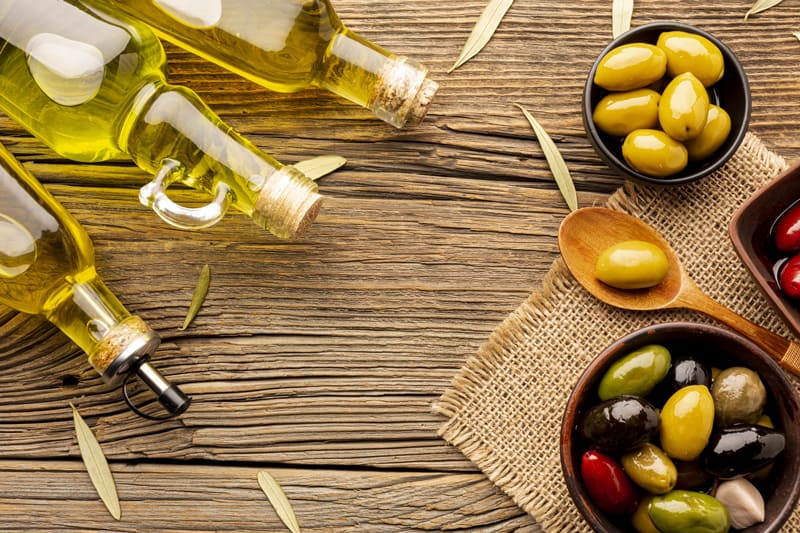
Differences Between Arbequina, Hojiblanca and Picual Extra Virgin Olive Oil
Arbequina, Hojiblanca and Picual are three of the most important Extra Virgin Olive Oil varieties — but do you know what sets them apart? They differ in olive type, bitterness, acidity, aroma, and more.
Today we walk you through the key differences and characteristics of each olive variety and its oil.
Arbequina Olive Oil
The Arbequina olive is small, with an average ripening period between the second week of December and the second week of January. Its high yield and excellent oil content make it one of the varieties with the greatest extraction rate.
Arbequina produces light, smooth, delicately textured and slightly sweet oils. The flavour can vary depending on the soil type and climate where it is grown. It may leave a gentle peppery sensation in the throat — a clear sign of freshness.
These oils are highly aromatic, with characteristic notes of almond, tomato and apple. They are among the most delicate when it comes to oxidation, so they should be consumed within a short time — four to five months at most.
Being smooth and sweet, it is perfect for introducing children to olive oil. Its delicate flavour makes it ideal for mayonnaises and sauces. In baking, it works beautifully as a butter substitute. It is also a natural companion for toast and salads, as well as fish and seafood.
This olive variety brings softness and subtlety to dishes, along with fruity aromas.
Hojiblanca Olive Oil
The Hojiblanca olive takes its name from the whitish colour of the underside of its leaves. It is a table olive highly prized for its resilience at harvest time. Flowering occurs during the first two weeks of May, and ripening falls between late November and late December.
Pressing Hojiblanca olives yields golden-hued oils with a vegetal flavour and sweet undertones, finishing with a gentle peppery note in the throat. The aroma is defined by freshly cut grass and fruit, making it perfect for enhancing the flavour of oily fish such as salmon or tuna, or for use in carpaccios. It is the ideal partner for pasta, soups, stir-fries and vegetable preserves. Hojiblanca oil is the finest flavour enhancer for breakfasts, appetisers and salads.
It is one of the oils most often recommended for those watching their diet. It has a high content of unsaturated fatty acids, which enhances its beneficial properties.
Picual Olive Oil
The Picual olive gets its name from the pointed tip at the end of the fruit. Its ripening begins in the second week of November and runs through to the third week of December. The tree adapts well to varying climate and soil conditions, though it does not cope particularly well with drought.
The oil obtained from Picual olives is one of the most bitter and peppery. It has an intense flavour of wood and freshly cut herbs, combined with herbaceous fruity aromas — olive leaf, fig tree and tomato plant — giving it great depth and body.
This oil amplifies the flavour of cured ham, charcuterie, dried meats and cheeses. It is perfect for salads and meat dishes. When used for cooking at high temperatures, it retains much of its character, making Picual oil ideal for frying — think breadcrumbs and batters.
It also adds a very distinctive note to slow-cooked stews and preserves, whether the ingredients are raw or cooked. In baking, it can replace butter in traditional treats such as madeleines.
Picual oil is one of the richest olive oils in antioxidants, and can contain up to 80% monounsaturated oleic acid.
Differences between Arbequina, Hojiblanca and Picual olive oils
Extra Virgin Olive Oil is one of the finest foods in the Mediterranean diet. It contains high levels of nutrients that help us maintain a balanced, healthy lifestyle every day.
The main differences between Arbequina, Hojiblanca and Picual extra virgin olive oils are:
- Arbequina: One of the smoothest and lightest oils of these varieties. It carries gently peppery notes that give way to a pleasant sweetness on the finish. It stands out for its almond flavour and aroma, with hints of wild fruit. As mentioned, it is perfect for culinary use in salads, desserts and as a complement to other ingredients — its sweet flavour never masks what it accompanies. Ideal with anchovies, white tuna, or for making mayonnaise and sauces.
- Hojiblanca: Recognised for its golden colour and smooth flavour. The tasting opens with sweet notes and closes with a gentle peppery sensation in the throat. It is defined by an almond aftertaste and fresh grass and fruit notes — apple and banana among them. It brings out the best in any dish, from gazpacho and salmorejo to oily fish such as salmon.
- Picual: The boldest of the three extra virgin olive oils presented here. It is defined by its tomato plant flavour and aroma, with woody undertones, and is one of the most peppery varieties. Thanks to its high concentration of antioxidants and polyphenols, it is particularly well suited to high-temperature cooking such as frying, as it is the most heat-resistant of the three.
These are three very different varieties that offer endless possibilities in the kitchen. When the oil is of real quality, each one brings an intense and distinctive character to everyday cooking.
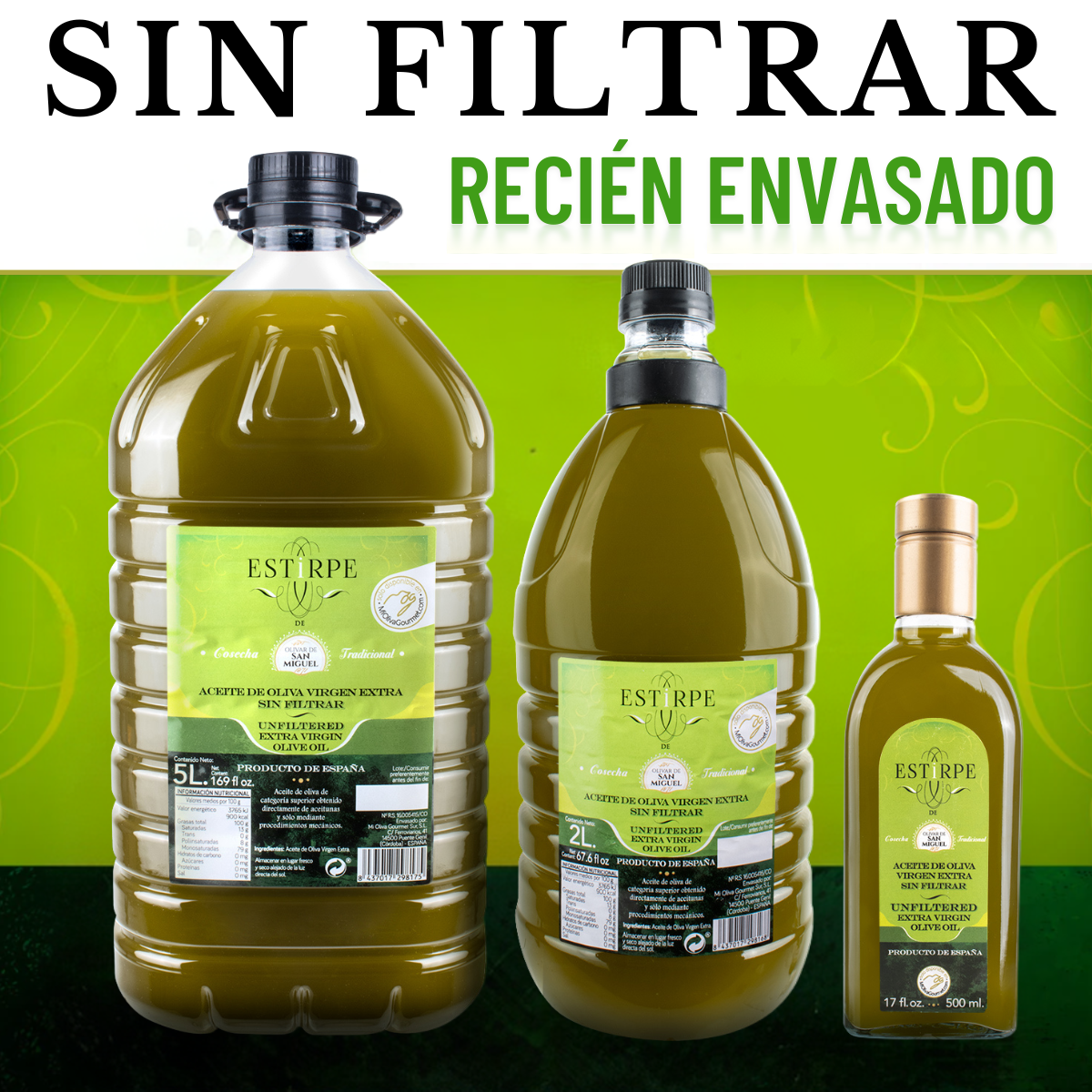
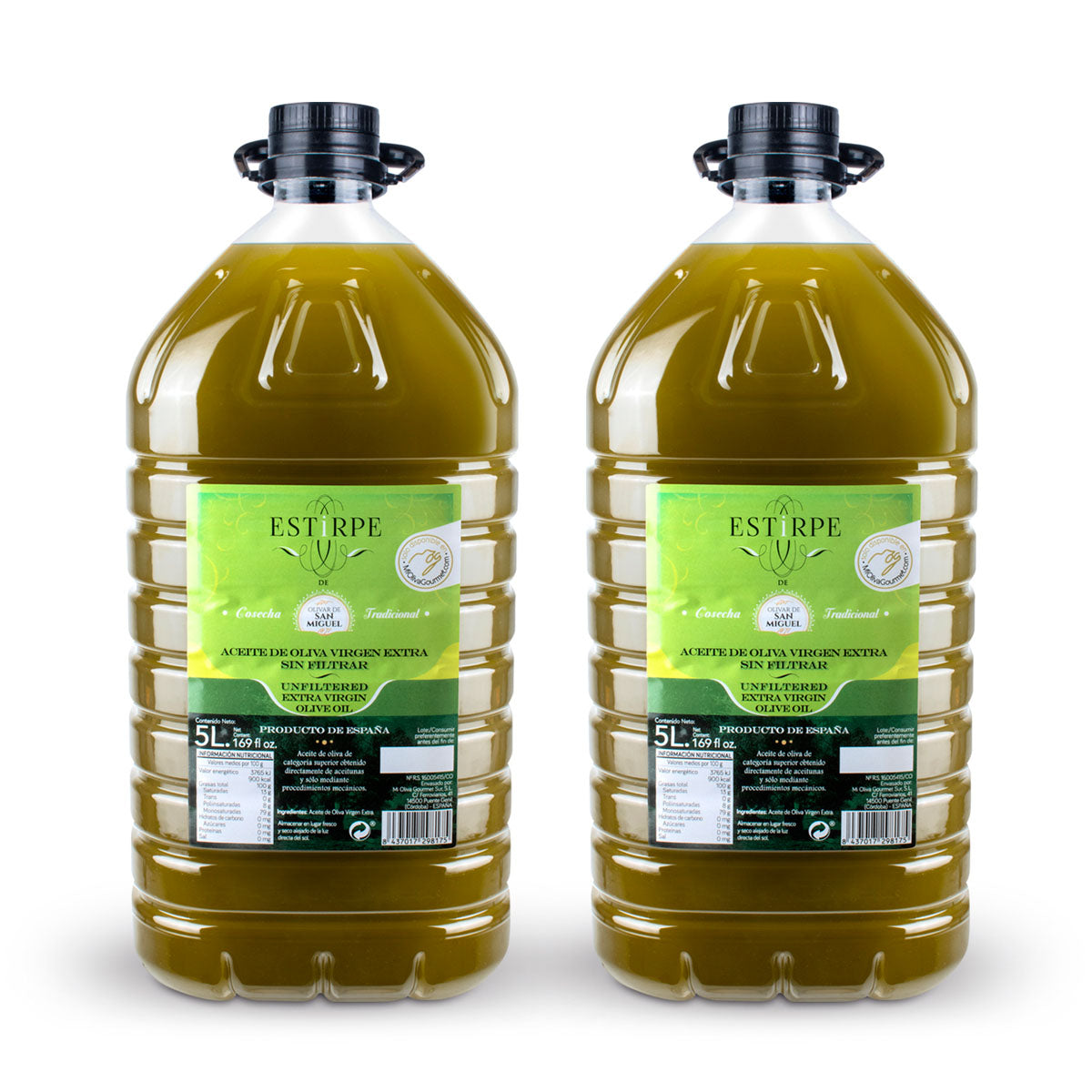
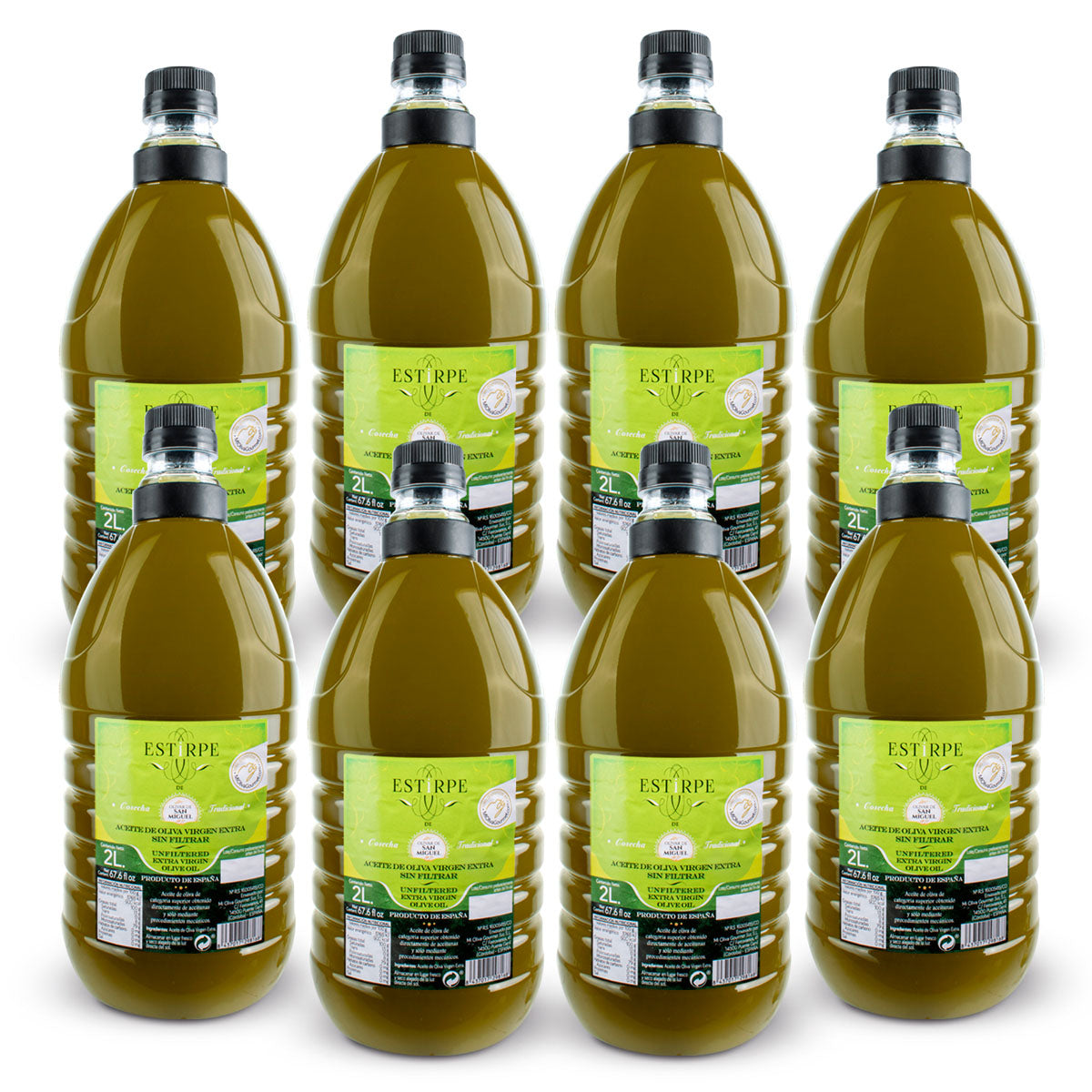
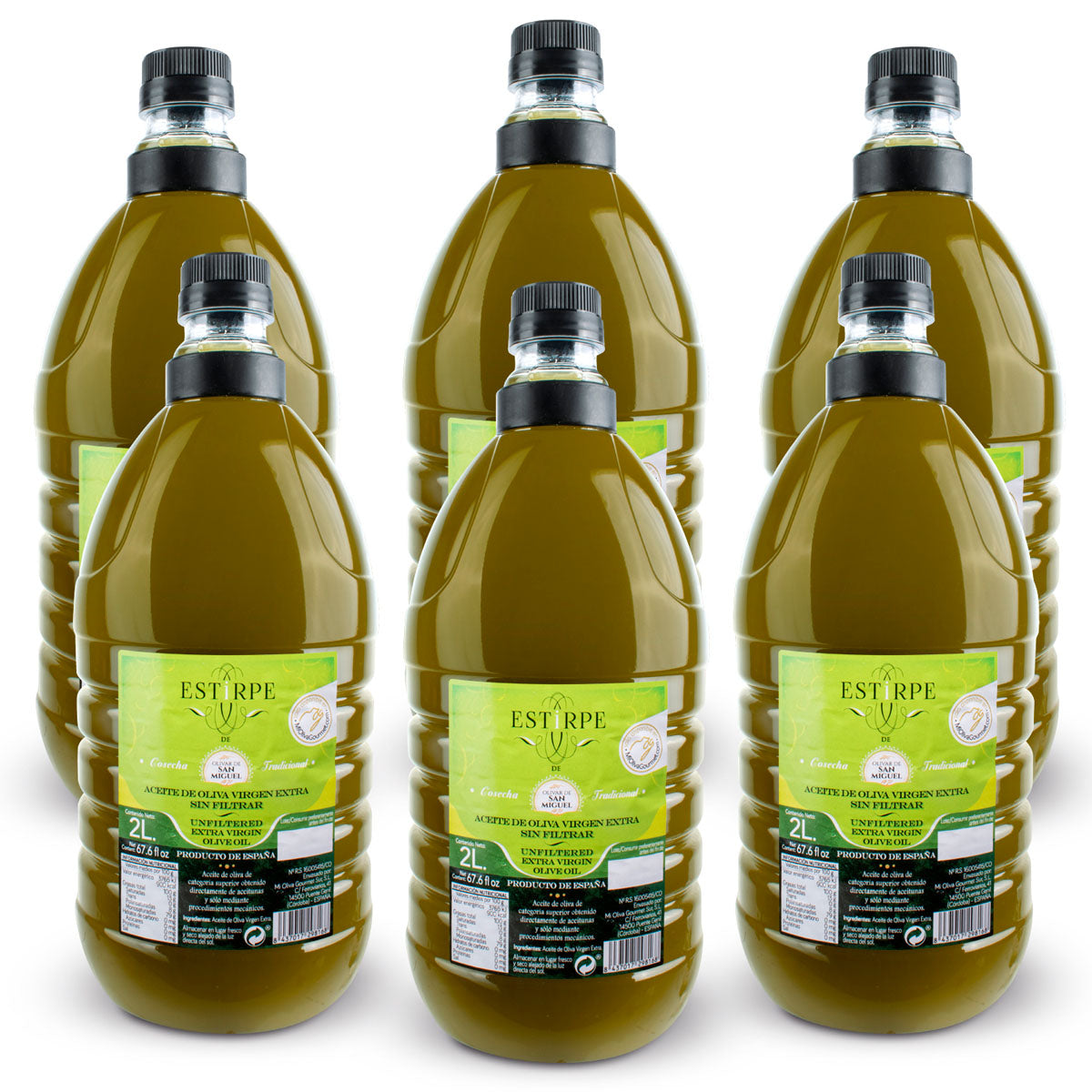
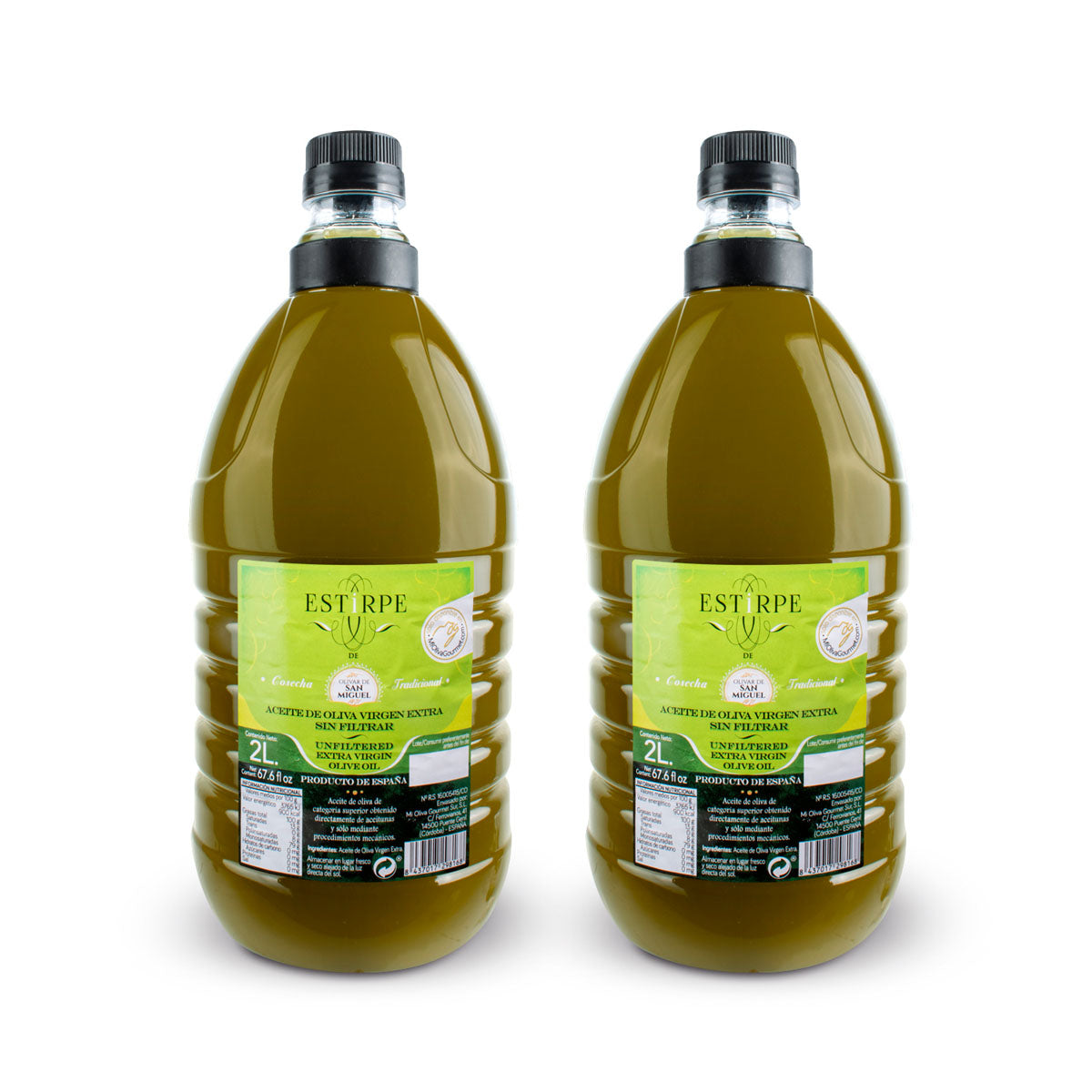
At Mi Oliva Gourmet you will find each of these exceptional extra virgin olive oils, ready to bring that special touch to your cooking and impress everyone at your table.




Leave a comment
This site is protected by hCaptcha and the hCaptcha Privacy Policy and Terms of Service apply.