
The Acidity of Extra Virgin Olive Oil
📅 Updated May 2026 · Reading time: 6 minutes
Quick answer
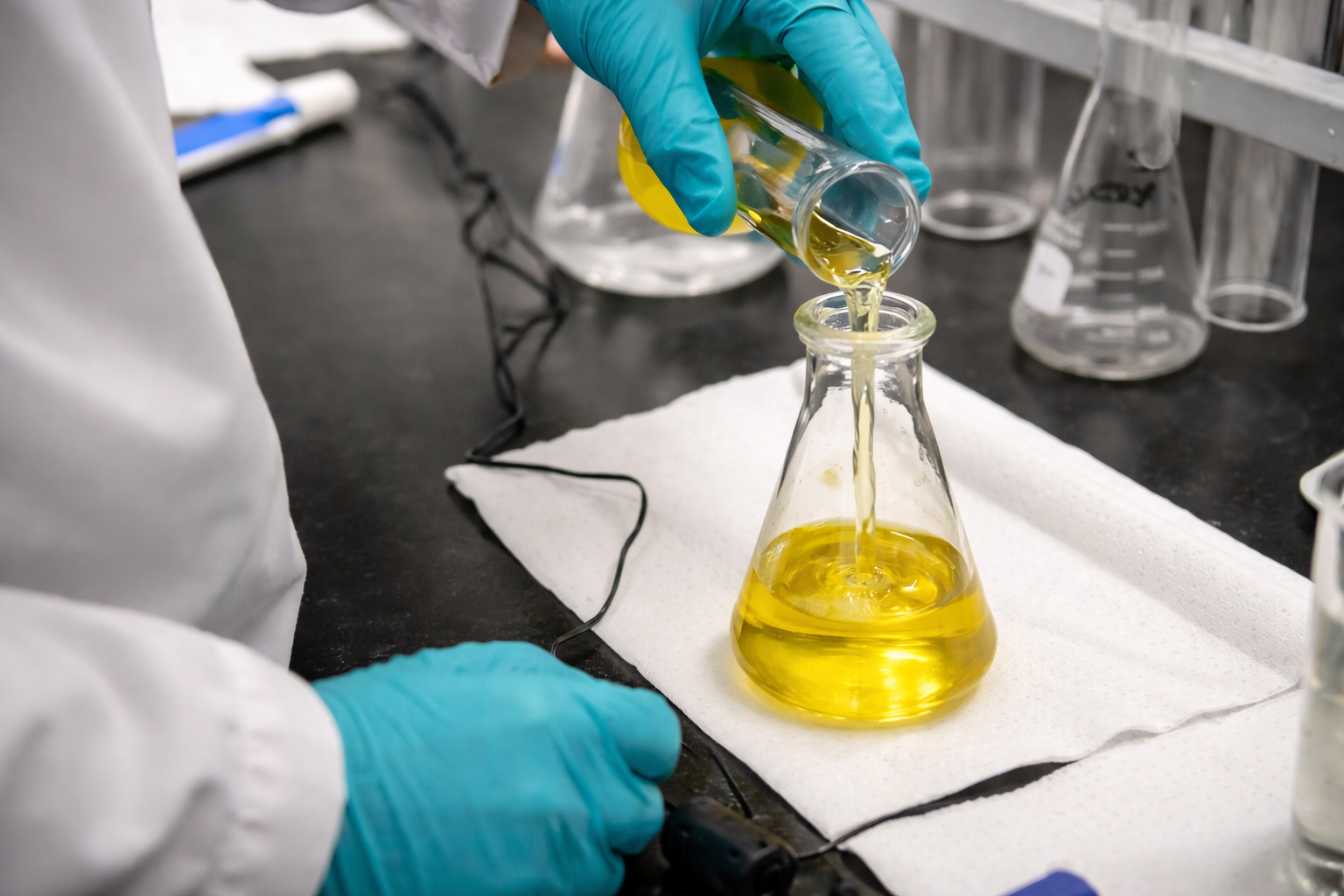
The acidity of Extra Virgin Olive Oil is a chemical parameter that measures the concentration of free fatty acids present in the oil. It reflects the quality of the production process — not the flavour, and not the peppery sensation you feel when you taste it. It can only be measured in a certified laboratory, not on the palate.
The olive oil you buy at the supermarket almost never tells you its acidity level. And when it does, it's usually right at the legal limit. What no one tells you is that the world's finest EVOOs sit six times below that limit. Read this to the end, and you'll never buy olive oil the same way again.
In this article
- What is the acidity of Extra Virgin Olive Oil?
- What are free fatty acids and why do they matter?
- How is it measured, and where does it appear on the label?
- What acidity should a good EVOO have?
- Is acidity the same as bitterness or a peppery taste?
- The real data behind our oils
- Frequently asked questions about EVOO acidity
What is the acidity of Extra Virgin Olive Oil?
The acidity of Extra Virgin Olive Oil measures the concentration of free fatty acids in the oil, expressed in degrees (°). The lower it is, the better: it means the olives were healthy, harvested carefully, and processed without delay. The legal maximum to qualify as Extra Virgin is 0.8°.
Olive oil is made up of molecules called triglycerides. As long as the olives are healthy and the production process is correct, those molecules remain stable. Problems arise when something breaks them apart.
Pests, damage during harvesting, too long a wait between picking and milling, poor storage — any of these can break down triglycerides and release free fatty acids. The more free fatty acids, the higher the acidity — and the lower the quality.
Key concept
EVOO acidity measures the quality of the process, not the flavour. An oil can have low acidity and a smooth flavour, or high acidity and an intense flavour. They are two completely different things.
What are free fatty acids and why do they matter?
Free fatty acids (FFAs) are molecules that break away from triglycerides when olives are damaged or the oil degrades. They are precisely what the "acidity" parameter measures: the more FFAs, the higher the acidity and the lower the quality. An EVOO with few free fatty acids signals healthy olives, a fast process, and proper storage.
To put it simply: olive oil is made up of triglycerides — molecules formed by three fatty acids bonded to a glycerol molecule. As long as that bond stays intact, the oil is stable and high-quality. Problems arise when that bond breaks.
When a triglyceride breaks down, it releases a fatty acid that is left "unbound" — free. Hence the name: free fatty acid. And that is also where the term "acidity" comes from, even though technically the more precise term would be free fatty acid content.
What causes a triglyceride to break down? Mainly four things:
• Damage to the olive — pests, knocks during harvesting, or fruit falling to the ground
• Too long a gap between harvesting and milling — olives left waiting begin to degrade
• Poor storage of the oil — exposure to light, heat, or air
• Adverse weather conditions — extreme drought or frost that damages the fruit
At our mill, the olives are pressed within 24 hours of harvesting. That speed is one of the reasons our oils have such low acidity (0.13° – 0.21°): the triglycerides barely have time to break down.
💡 Key fact
The word "acidity" confuses many consumers because it suggests the oil will taste sour. It doesn't work that way. Free fatty acids cannot be detected on the palate — only in a laboratory. If your EVOO is peppery or bitter, that's polyphenols, not acidity.
How is EVOO acidity measured, and where does it appear on the label?
Olive oil acidity can only be determined through analysis at a certified laboratory. It cannot be detected by smell, colour, or taste. It is expressed in degrees (°) and is not required on the label — though brands with strong results do include it, since it is their primary quality differentiator.
If you find the acidity figure on the label, check that it comes alongside other parameters: peroxide value and K270. Without those additional figures, the acidity number alone does not give a complete picture of the oil's true quality.
If you see the acidity figure on the bottle alongside other analytical parameters, that's a sign the brand stands behind its product. If only the acidity appears with no further context, it may just be marketing. If nothing appears at all, ask yourself whether that brand deserves your trust.
What acidity should a good Extra Virgin Olive Oil have?
A quality Extra Virgin Olive Oil should have an acidity below 0.8°, the legal maximum. However, the world's finest EVOOs typically come in below 0.25°. Supermarket olive oil usually hovers around 0.7–0.8° — right at the permitted limit.
What very few people know
The 0.8° legal limit is the floor, not the goal.
The finest oils typically come in below 0.25°.
Is EVOO acidity the same as bitterness or a peppery taste?
No. The acidity of Extra Virgin Olive Oil and its flavour are entirely different things. The peppery heat and bitterness you notice when tasting an EVOO come from polyphenols — natural antioxidants that signal high quality — not from acidity. An oil can have very low acidity and a very intense flavour at the same time.
❌ This is NOT acidity
The peppery sensation at the back of your throat when you taste a quality EVOO. That's polyphenols: antioxidants that protect both the oil and your body. The more it tingles, the healthier the oil.
✓ This IS acidity
A chemical parameter invisible to the palate. It can only be detected in a laboratory. It reflects whether the olives and the production process were handled correctly.
If you want intensity and power, choose oils with a high polyphenol content such as the Picual variety. If you prefer something smoother, Arbequina is your choice. But in both cases, the acidity should be equally low.
Has your EVOO also changed colour over time? We explain why here: Why does Extra Virgin Olive Oil change colour?
First order
Free drip-free olive oil pourer with your first purchase
Use the code ACEITERA-GRATIS at checkout.
The real acidity figures for our Extra Virgin Olive Oils
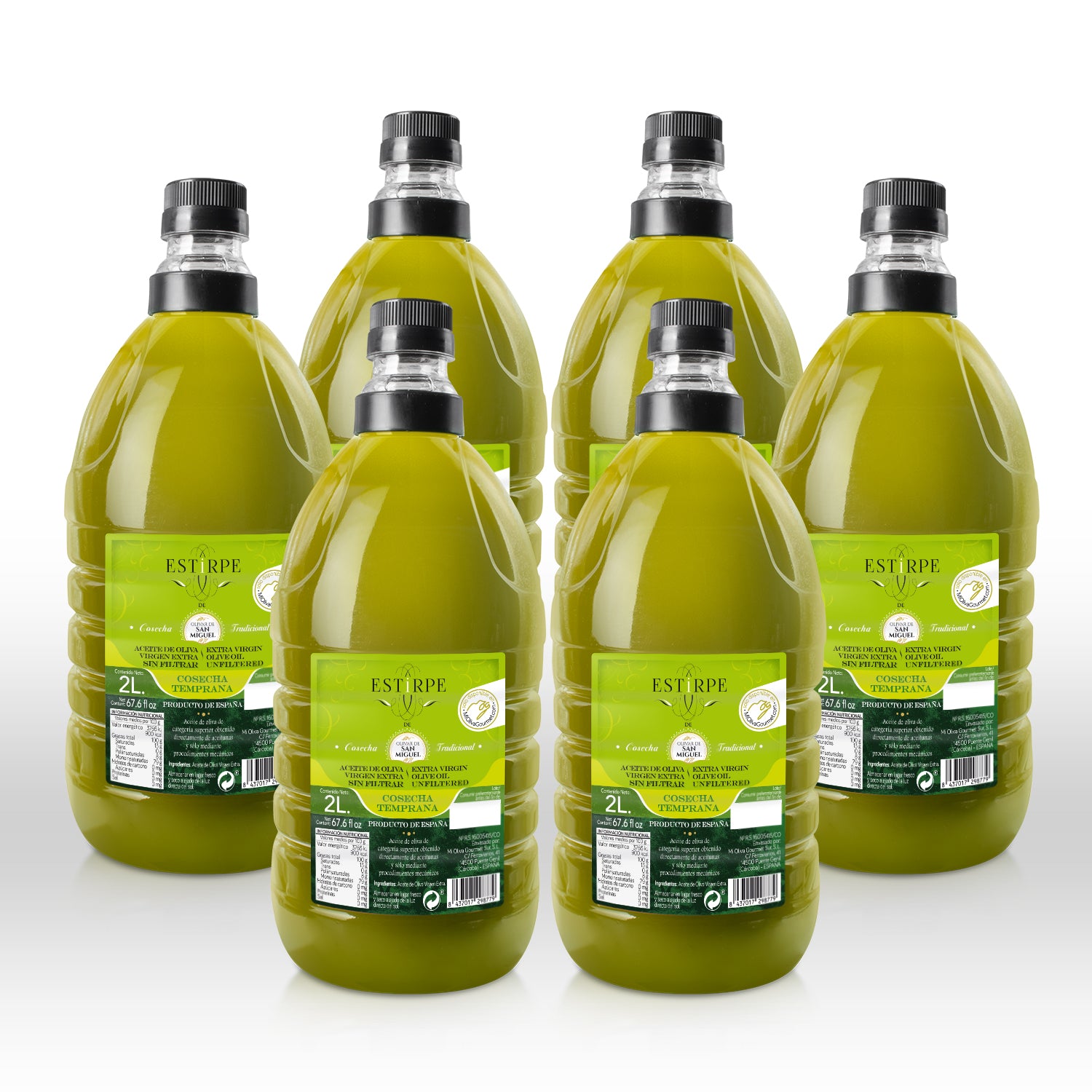
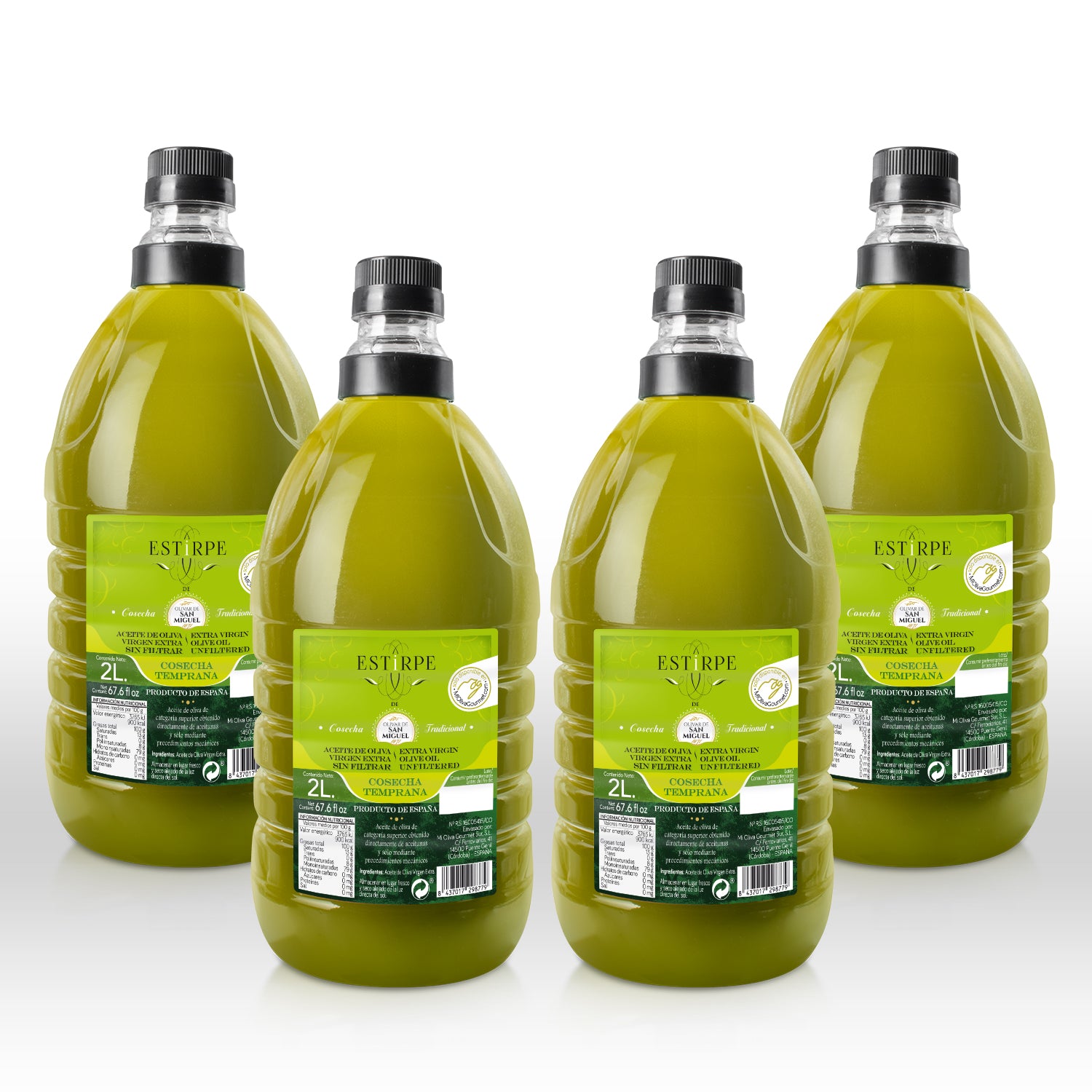
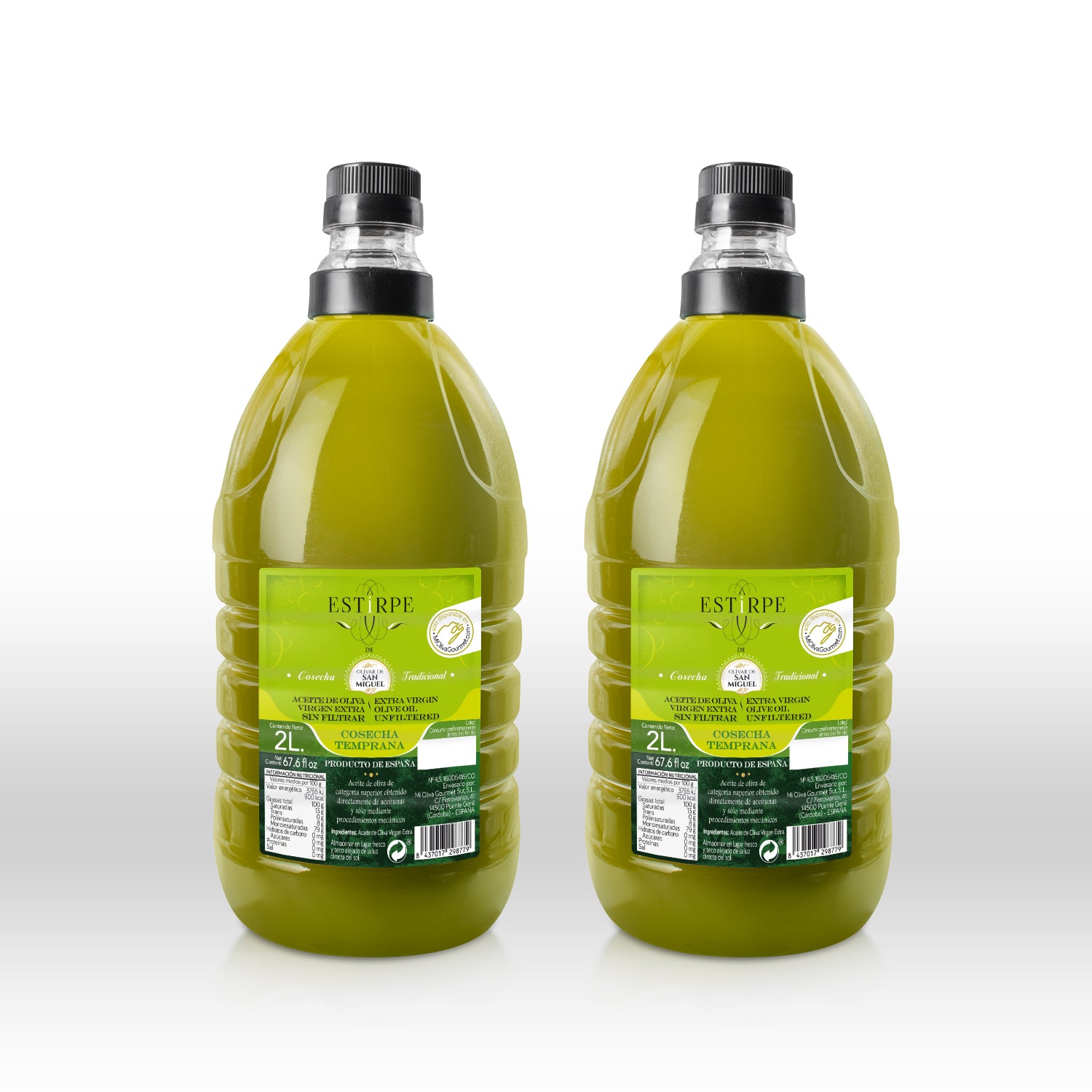
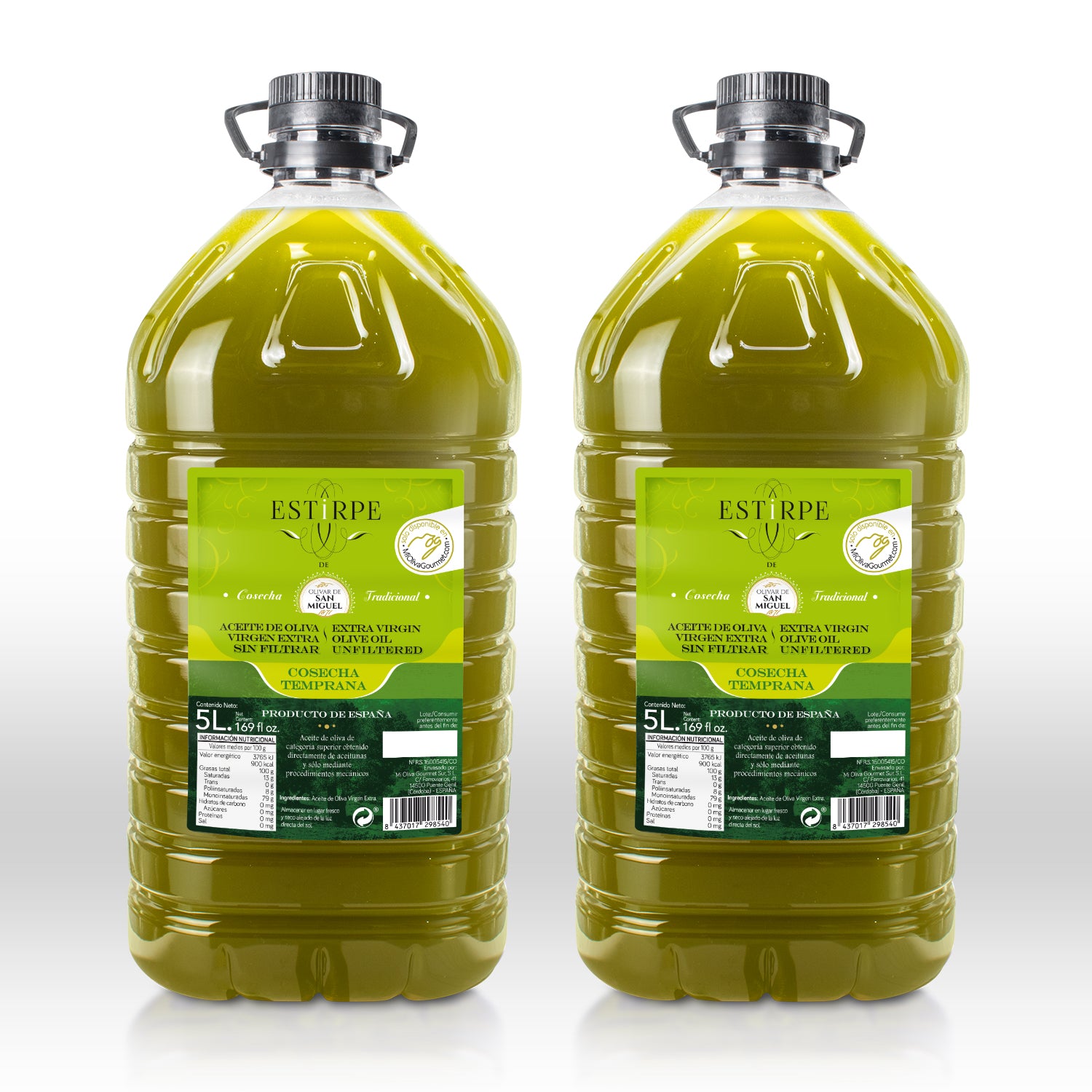
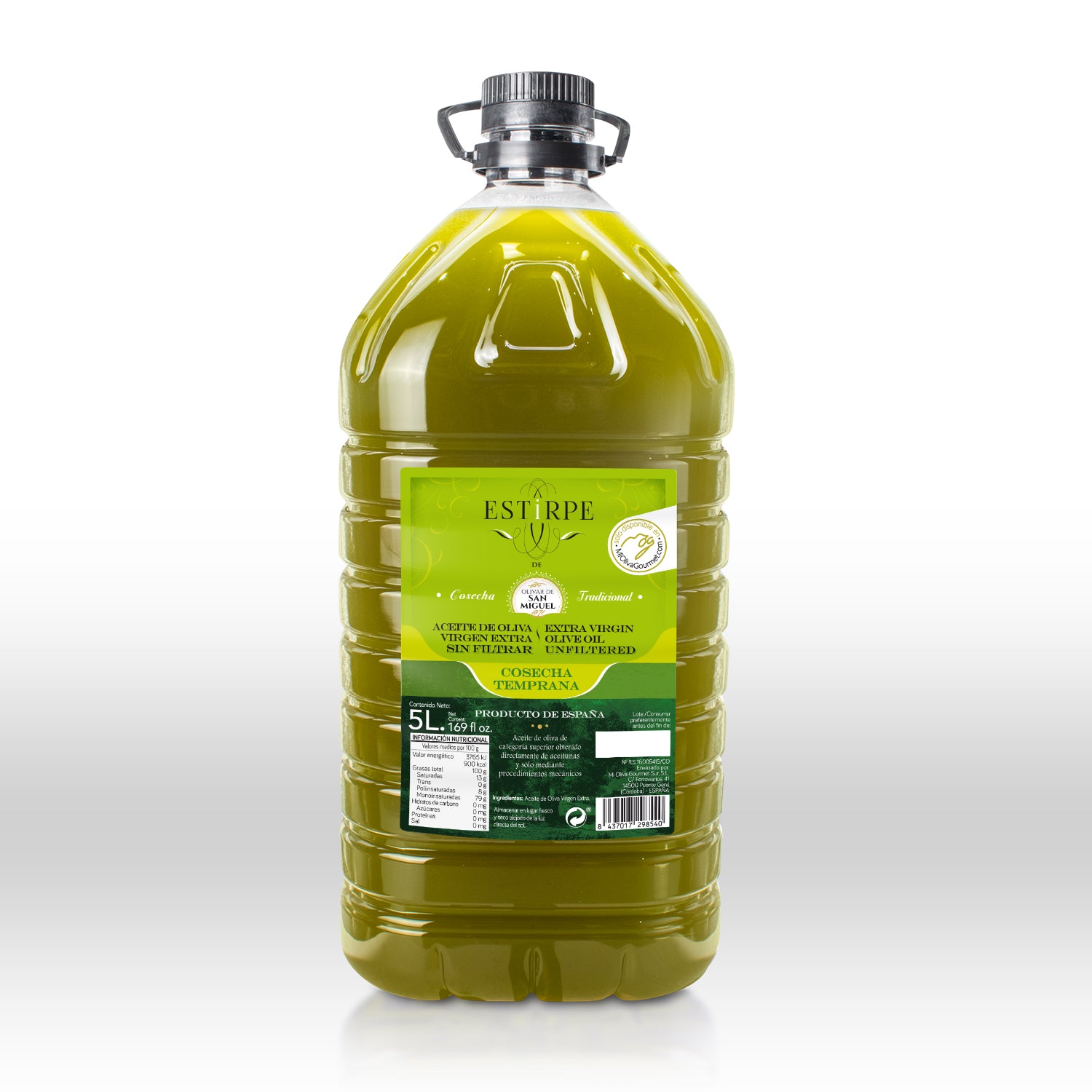
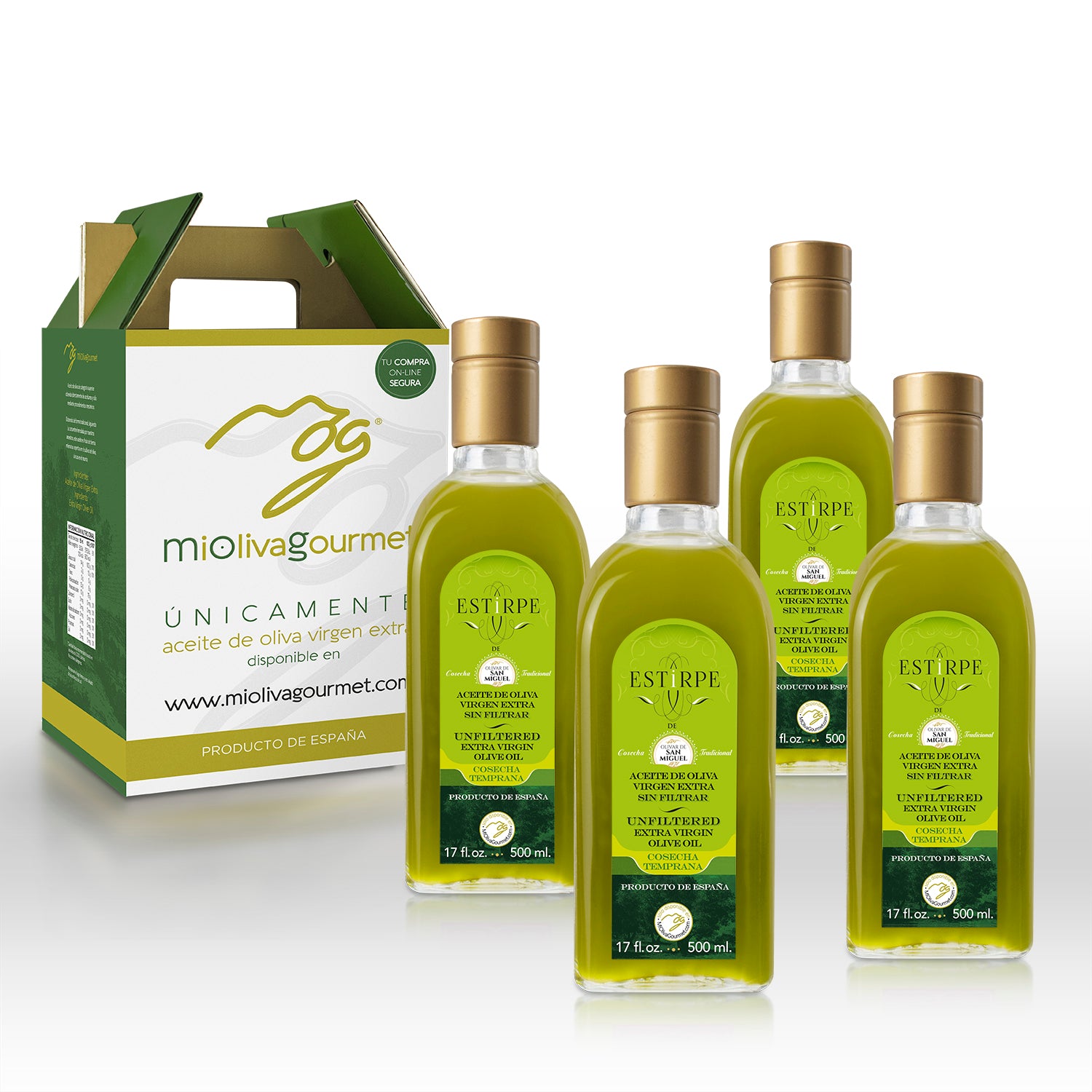
All our oils come in well below the 0.8° legal maximum for Extra Virgin status. The lowest — Estirpe Picual unfiltered — reaches 0.13°, six times below the permitted limit. These figures come from certified laboratory analysis, Season 2025/26.
Results from certified laboratory analysis · Season 2025/26
Supermarket olive oil typically hovers around 0.7–0.8° — right at the legal limit. Our Estirpe Picual comes in at 0.13°: six times below the maximum. That difference doesn't show on the bottle. You notice it in the flavour, the aroma, and what it does for your body.
Try the EVOO with the lowest acidity
you've ever tasted
Direct from the grower. With laboratory analysis. And to make your first order truly special:
Free opaque glass drip-free olive oil pourer
Use the code ACEITERA-GRATIS at checkout
🚚 Free shipping · 📦 Delivery in 24–48h · 🔒 Secure payment
What our customers say
★★★★★
"I came across this oil by chance and, being from the same region, I decided to give it a try. It's an exceptionally high-quality oil at a great price. It runs rings around any extra virgin you'd find at a regular supermarket."
Excellent · ✓ Verified purchase
★★★★★
"An excellent oil — very fruity with no acidity, perfect for salads and toast. I use it every day for cooking and my dishes come out so much more flavourful."
Julián · ✓ Verified purchase
★★★★★
"A very intense flavour and a deeper golden colour than anything you'd find in a supermarket. We use it for everything."
Inma · ✓ Verified purchase
★★★★★
"I missed out on the Primera Prensa, but this one is without doubt the best olive oil I've ever tasted. Slightly peppery, with a very intense aroma and flavour. An absolute delight drizzled raw."
Marco · ✓ Verified purchase
Frequently asked questions about Extra Virgin Olive Oil acidity
Q What exactly are free fatty acids (FFAs)?
Free fatty acids are molecules released when the triglycerides in olive oil break down due to olive damage, poor storage, or a slow production process. They are precisely what the "acidity" parameter measures. An EVOO with low FFAs indicates that everything — from the olive grove to the bottle — was done right. Our oils range from 0.13° to 0.21°, well below the 0.8° legal maximum.
Q Can I detect EVOO acidity by tasting it?
No. Olive oil acidity is a chemical parameter that can only be measured in a laboratory. The peppery heat or bitterness you perceive when tasting it comes from polyphenols, not acidity. They are entirely different things and bear no direct relationship to each other.
Q What happens if an oil has 0.8° acidity? Is that bad?
An EVOO at 0.8° is legal and technically Extra Virgin, but it sits at the maximum permitted limit. Benchmark-quality oils typically come in at 0.15–0.25°. The difference in flavour, aroma, and nutritional benefits is significant.
Q Does acidity increase over time or with heat?
Yes. Exposure to light, heat, and oxygen can degrade the oil and raise its acidity over time. That is why it is important to store it in a cool, dark place with the lid tightly closed, and to use it within the best-before period.
Q Is it better to have a very peppery EVOO or a smooth one?
It depends on how you use it and your personal taste — not on quality. Peppery heat signals a high concentration of polyphenols and antioxidants, a hallmark of early harvest and very fresh oil. A smooth oil can equally have very low acidity and excellent quality. Both profiles are outstanding.
Q How do I know if the oil I'm buying genuinely has low acidity?
Look for brands that publish their laboratory analyses, including acidity, peroxide value, and K270. If a brand doesn't share that data, it probably doesn't want you to see it. At Mi Oliva Gourmet, we publish all analytical results for every season.
In summary
The acidity of Extra Virgin Olive Oil is the most objective quality indicator there is — and the one the industry most often ignores. Low acidity means healthy olives, a careful process, and an exceptional result. High acidity means something went wrong along the way.
The peppery sensation you feel when you taste it isn't acidity. It's health. It's polyphenols telling you that you have a real olive oil in your hands.
→ See all Mi Oliva Gourmet EVOOs — with acidity well below the legal maximum




2 comments
Muchas gracias por toda esa información .
Es un verdadero placer utiluzar sus aceites.
Boris Barac
Cualquiera de las diferentes modalidades que sirven son excelentes,de lo que se trata es de consumir el más se adapte a tu aceite preferido pero repito todos son unos excelentes aceites y muy saludables.Muchas gracias por hacer esta maravilla de aceite y ojalá lo hagan muchos años
Arturo Pons
Leave a comment
This site is protected by hCaptcha and the hCaptcha Privacy Policy and Terms of Service apply.