
How many times can you reuse olive oil for frying?
Updated: November 2026 · Reading time: 8 min
There is a finding that seems almost impossible. A study published in the Journal of Food Processing and Preservation subjected three oils to repeated potato fryings at 180 °C: Picual EVOO, Arbequina EVOO, and high-oleic sunflower oil. The winner, by a wide margin, was Picual EVOO: it withstood the greatest number of frying cycles without exceeding the legal deterioration threshold set by Spanish regulations.
And here is the puzzling part: high-oleic sunflower oil has a higher smoke point than EVOO. In theory, it "handles more heat." In practice, it degrades sooner. How is that possible?
The answer completely reframes the question almost everyone asks ("how many times can I reuse my oil?") and turns it into a far more useful one: what type of oil are you reusing?
Throughout this guide you will understand what polar compounds are (the measure that sets the real limit), why the smoke point is misleading, how many fryings you can safely do at home, the clear signs that your oil has reached the end of its life, and how the initial quality of an oil determines whether reusing it saves you money — or, on the contrary, wastes both your money and your health sooner than you think.
In this guide:
- How many fryings can EVOO handle at home?
- What are polar compounds and why do they matter?
- What is the smoke point of EVOO and why is it misleading?
- Why does a high-polyphenol EVOO withstand more fryings?
- Premium EVOO vs cheap oil: comparison table
- Clear signs it is time to discard your oil
- How to store reused oil to extend its life
- Filtered or unfiltered EVOO for frying?
- The real cost per frying: what nobody calculates
- What people who already fry with premium EVOO say
- Which Mi Oliva Gourmet EVOO to choose for your kitchen?
- Frequently asked questions
How many fryings can EVOO handle at home?
Under domestic conditions, a quality EVOO can be reused safely 3 to 5 times, provided temperatures do not exceed 180 °C, the oil is filtered after each use, and stored tightly sealed away from light. The OCU puts the ceiling at around 25 cycles for EVOO under controlled laboratory conditions. Real home frying is more demanding because temperature control is less precise.
That range of 3 to 5 fryings is not an arbitrary number. It is backed by two limits:
- The legal threshold that defines oil deterioration (covered in the next section).
- The actual conditions of your kitchen: temperature, food residues, time between fryings, storage.
If you fry at 200 °C, without filtering, and leave the oil at room temperature in an uncovered pan for several days, you will hit the limit very quickly. If you fry at 170 °C, filter immediately after finishing, and store the oil in a well-sealed opaque container, you can comfortably reach the fifth frying with a high-polyphenol EVOO. Later on I explain why polyphenols change that number.
What are polar compounds and why do they matter?
Polar compounds are the molecules that form when oil degrades through repeated heating. They are produced by oxidation, hydrolysis, and polymerisation of fats. The Spanish Ministerial Order of 26 January 1989 (BOE-A-1989-2265) establishes that a frying oil must not contain more than 25% polar compounds. Once that threshold is crossed, the oil is considered deteriorated and must be removed from use in any catering or food service setting.
This regulation is binding for the catering and food industry, but it is the same scientific benchmark that applies to home cooks: when an oil exceeds 25% polar compounds, it not only loses flavour and aroma — it enters territory where the presence of potentially harmful molecules makes it unsafe to continue consuming.
The problem at home is that we do not have a polar compound meter. That is why what truly matters is understanding what causes them to form faster or slower. And this is where the initial quality of the oil changes everything.
Verified data: according to the study by Romero, Cuesta and Sánchez-Múniz (CSIC, 1995), published in the Journal of Agricultural and Food Chemistry, polar compounds in EVOO increase significantly during the first 30 frying cycles and then stabilise. In other words: EVOO "ages" under heat much more slowly than most refined oils.
Discover the EVOO that handles heat best
What is the smoke point of EVOO and why is it misleading?
The smoke point of EVOO sits between 190 °C and 210 °C, depending on the acidity and freshness of the oil. The optimal frying temperature is between 160 °C and 180 °C, so any quality EVOO has more than enough headroom. However, the smoke point does not predict how many safe fryings you can do. It is a widespread myth. Real stability depends on other variables.
For years the smoke point has been marketed as the decisive factor when choosing a frying oil: the higher, the better. This is why refined oils (sunflower, avocado, refined coconut) with smoke points higher than EVOO became so popular.
But here is the nuance that changes everything: an oil can produce no visible smoke and yet be rapidly generating harmful polar compounds. A study published in 2018 in Acta Scientific Nutritional Health subjected several oils to the same heating protocol. EVOO produced fewer harmful polar compounds than canola oil, sunflower oil, refined avocado oil, and coconut oil. Canola oil produced approximately 2.5 times more polar compounds than EVOO under the same thermal treatment.
The smoke point tells you when an oil starts to smoke. Polar compounds tell you when it is no longer safe. They are not the same thing.
And this is where the factor that truly explains the mystery at the start of this guide comes in.
Why does a high-polyphenol EVOO withstand more fryings?
Polyphenols are the natural antioxidants found in quality EVOO. During frying, oxygen and heat attack the fats and break them down into polar compounds. Polyphenols act as a chemical shield: they oxidise first, slowing the oil's deterioration. That is why a high-polyphenol EVOO (>250 PPM) can withstand more frying cycles without reaching the 25% polar compound limit than an oil with a low phenolic content.

This is the factor that resolves the mystery from the study at the start. Abenoza et al. (2016), published in the Journal of Food Processing and Preservation, explains it precisely: Picual EVOO withstood more frying cycles than Arbequina and high-oleic sunflower oil thanks to three combined factors:
- Its higher content of phenolic compounds (polyphenols).
- Lower tocopherol loss (natural vitamin E) during heating.
- Greater overall oxidative stability.
The authors conclude literally that "Picual olive oil is very suitable for frying because it is able to undergo the greatest number of frying cycles without exceeding the limits allowed by regulations."
This explains why two oils with a similar smoke point can behave in radically different ways. Thermal stability is not determined by the smoke point. It is determined by the oil's natural antioxidants, its acidity, the olive variety, and whether it has been filtered.
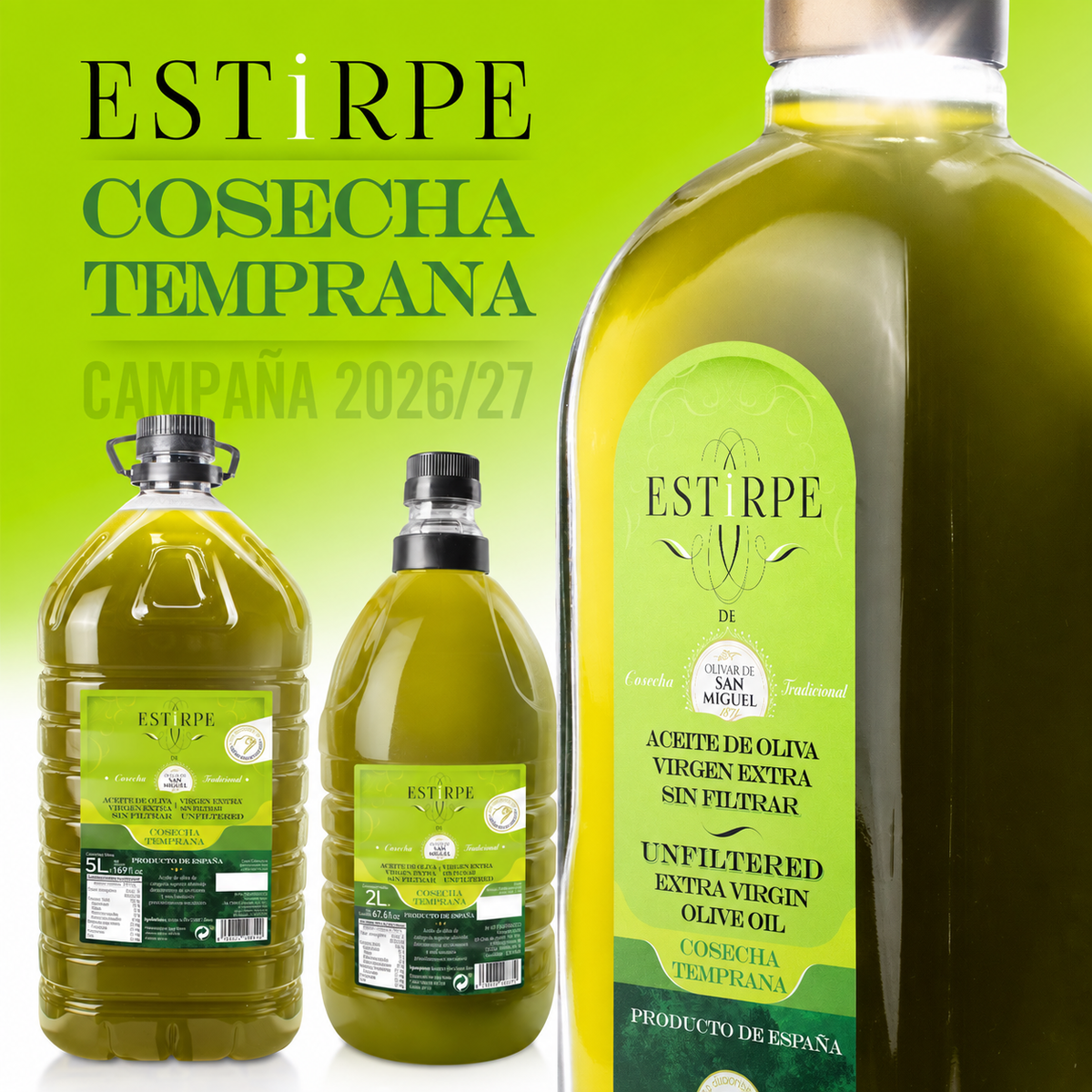
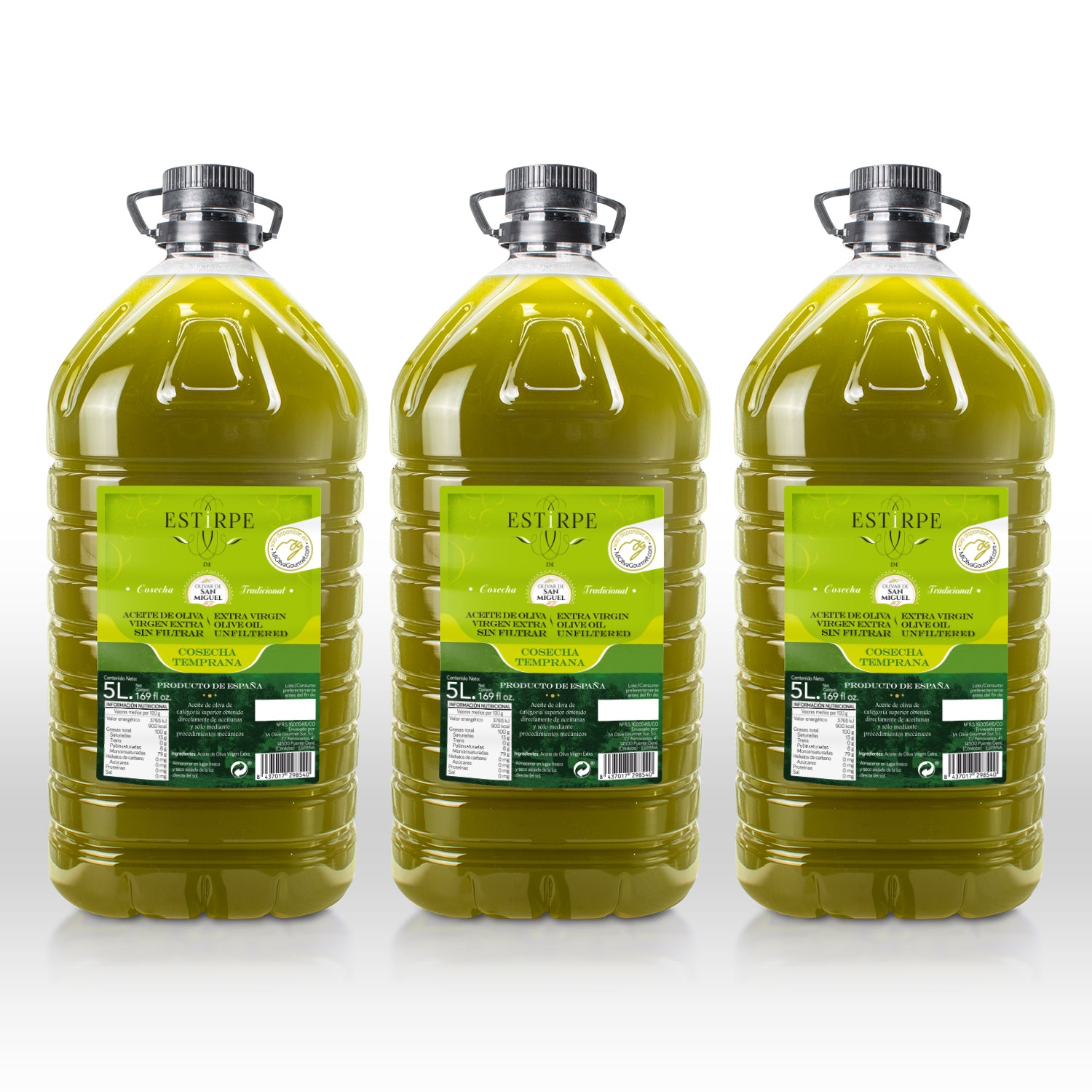
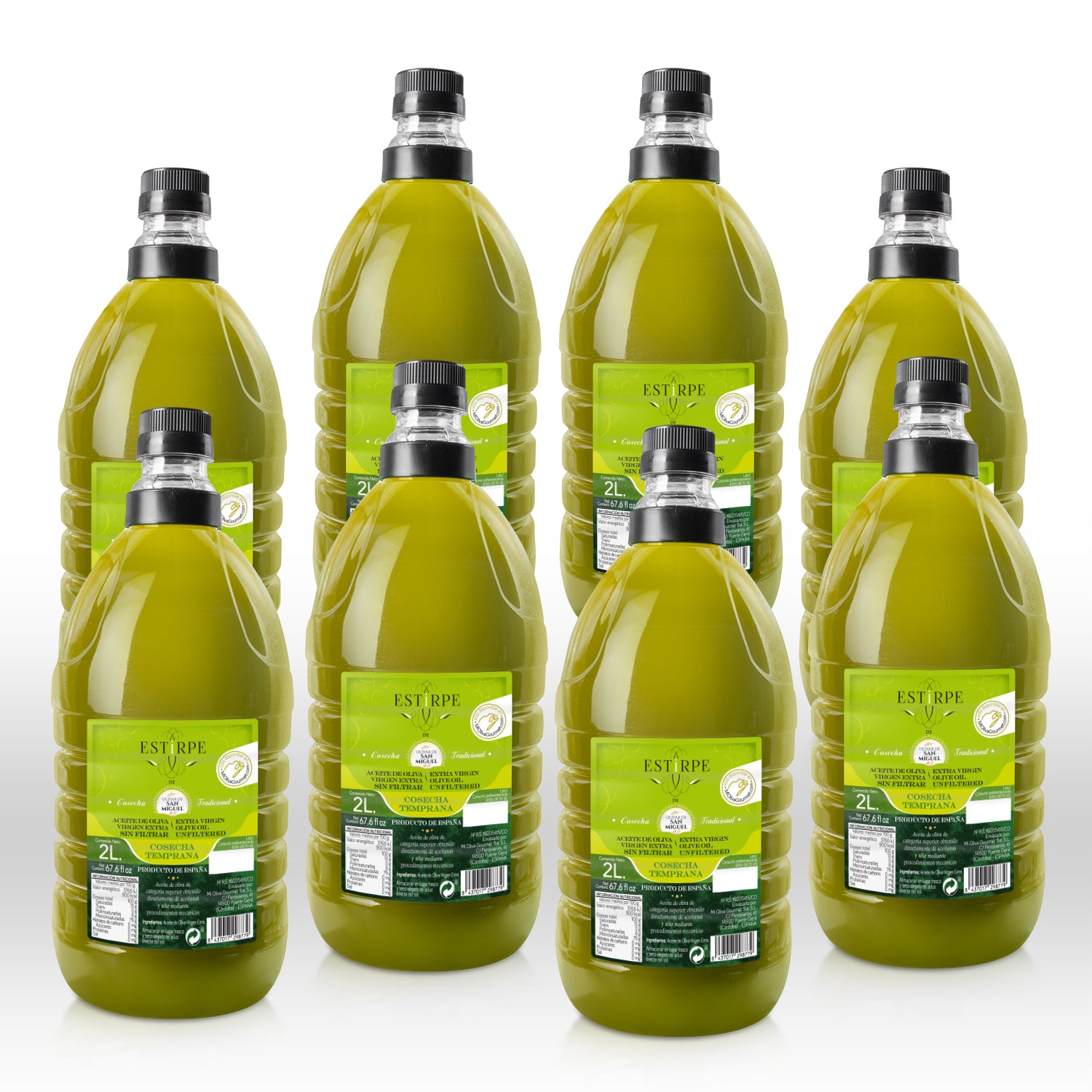
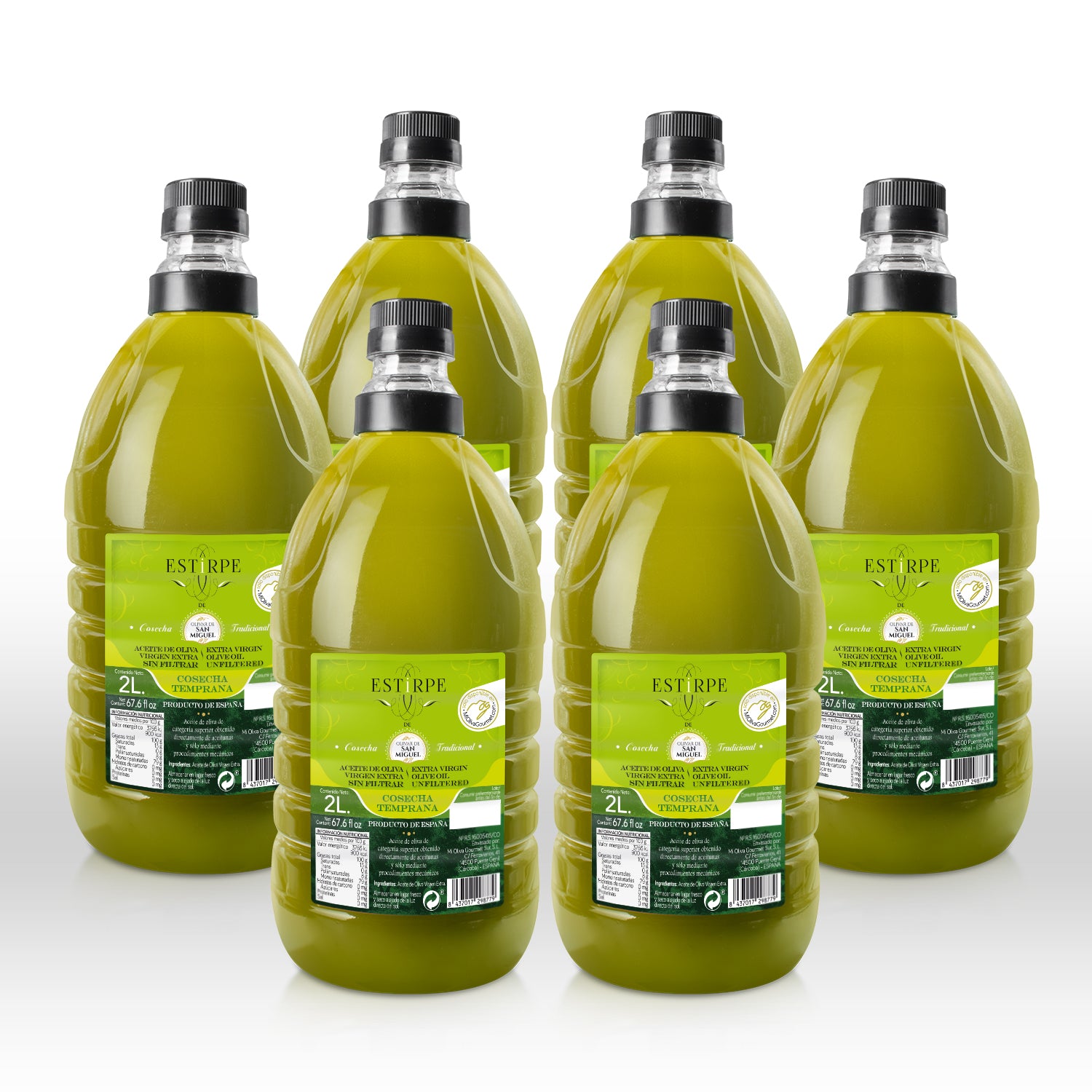
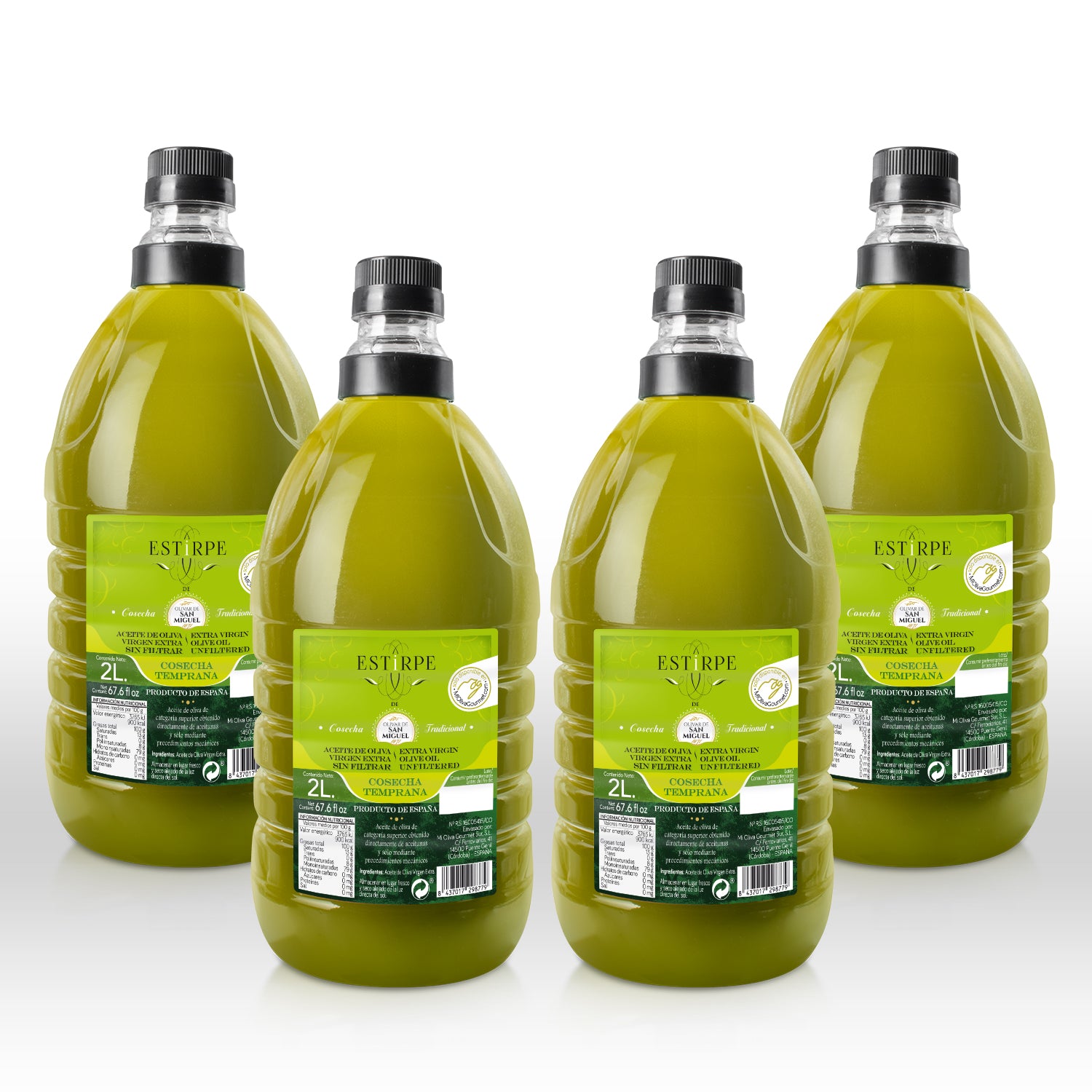
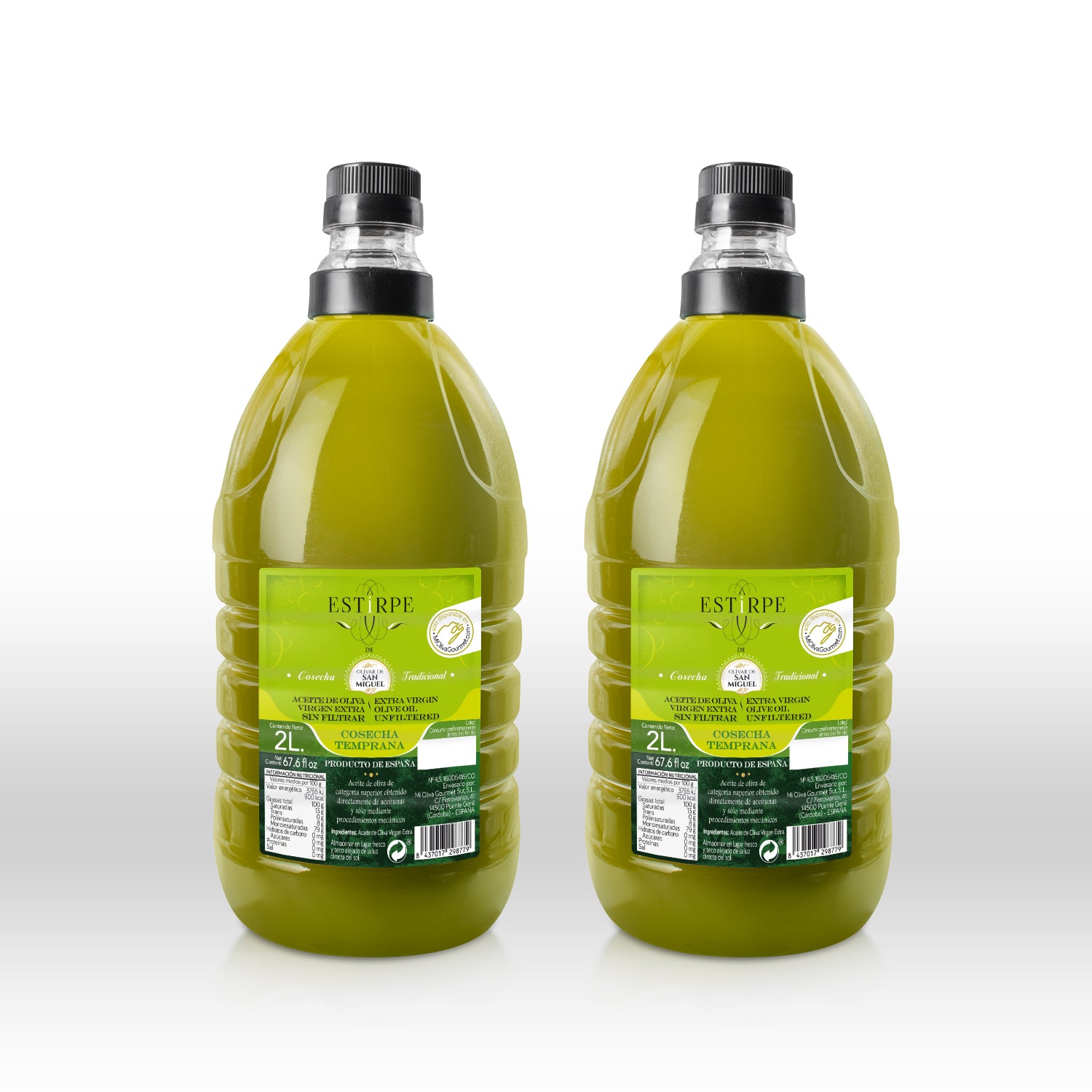
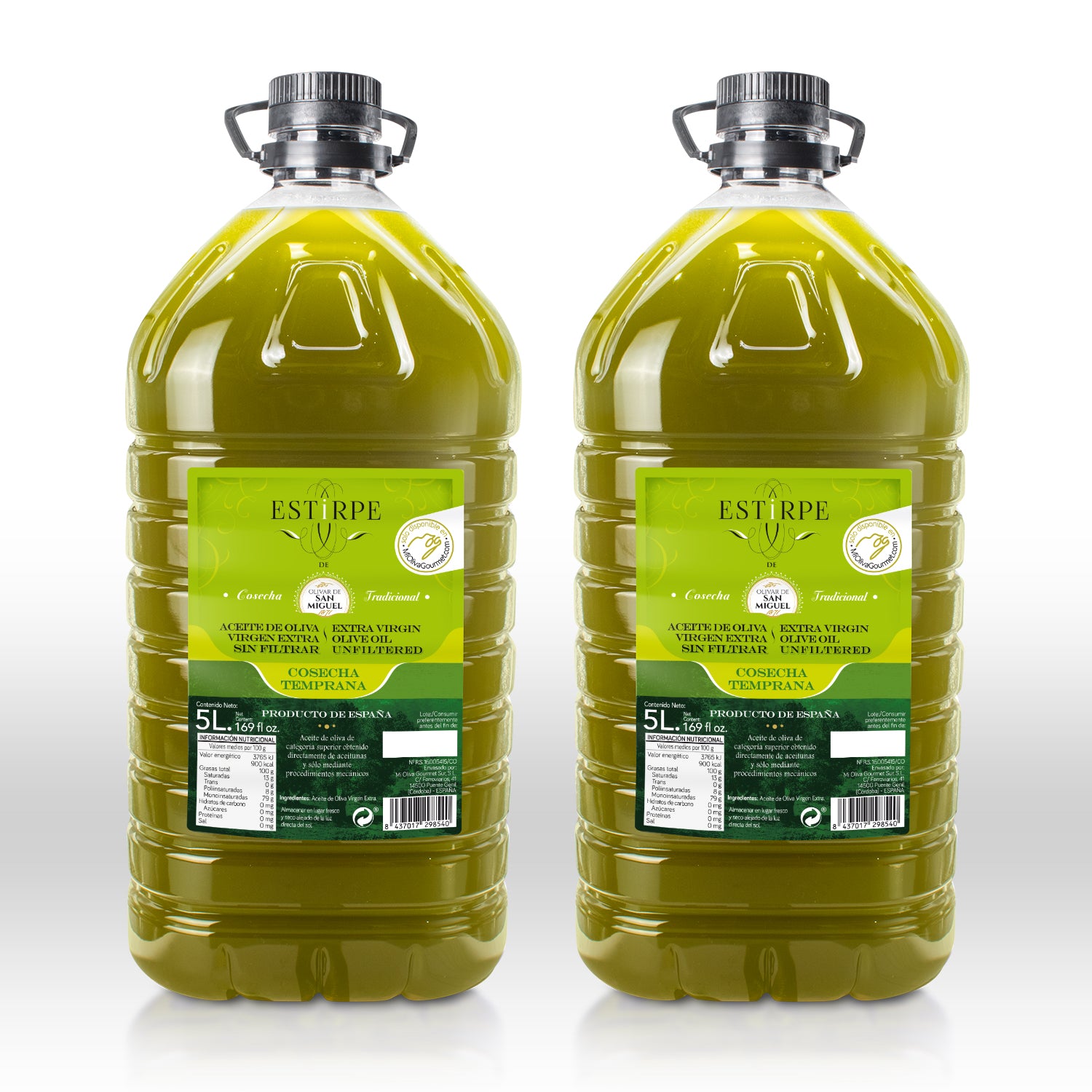
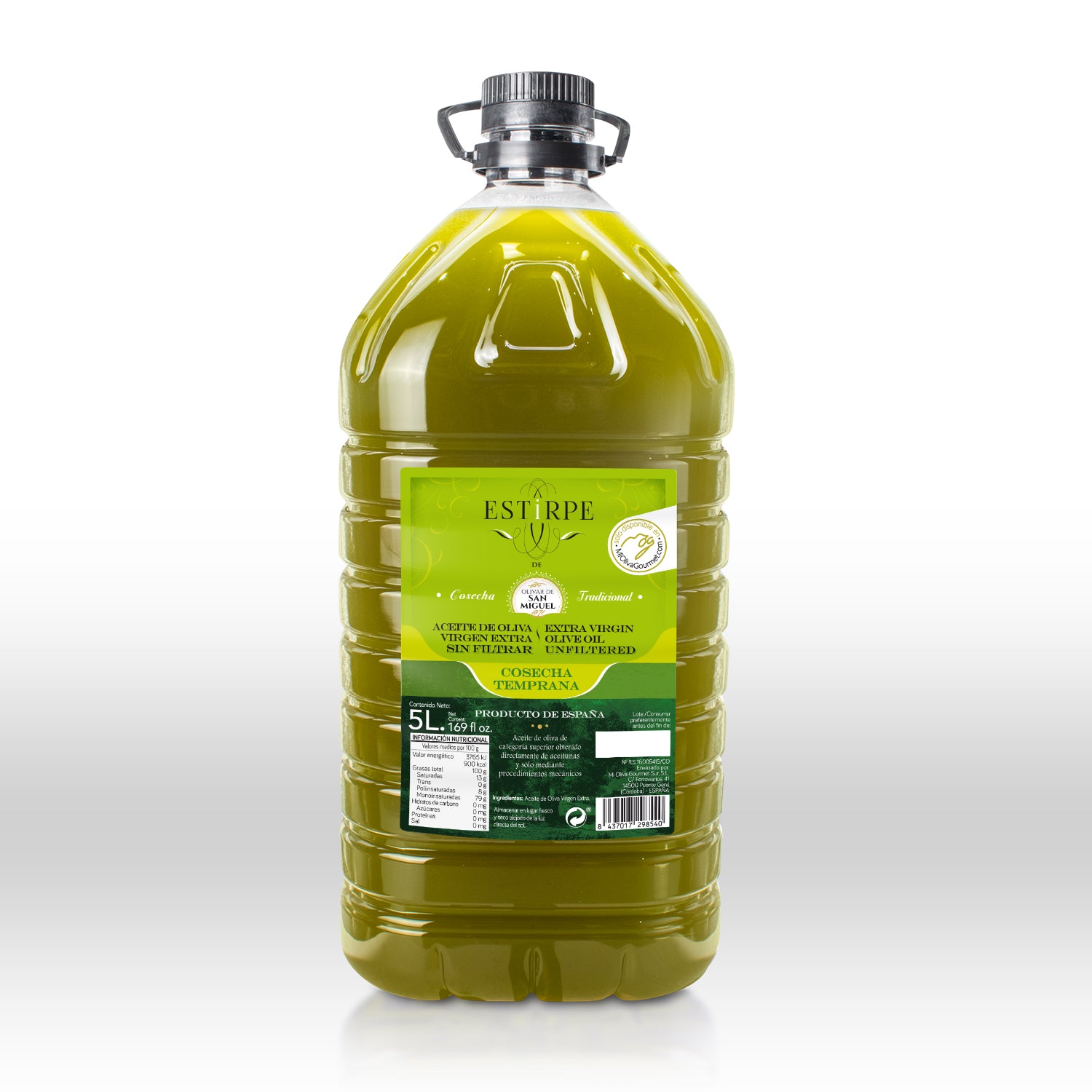
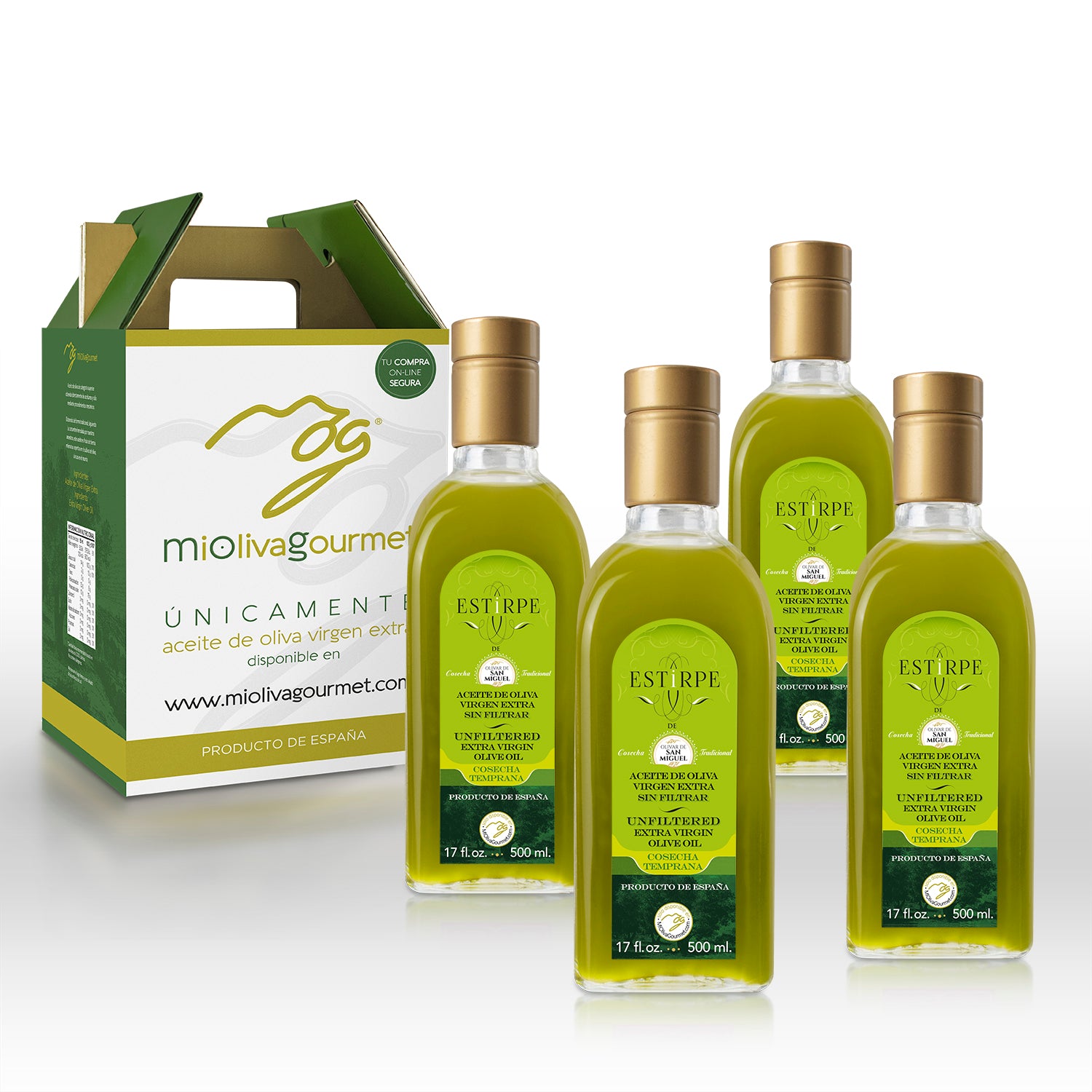
For frying, our recommendation is Estirpe Tradicional: a filtered blend of Hojiblanca (predominant), Picual, and Picuda. Three Andalusian varieties known for their oxidative stability, with Picual contributing precisely the component that the scientific literature identifies as decisive — and already filtered so it holds up better under repeated high heat.
If what you are looking for is pure Picual — the variety cited in the Abenoza study — we have it in Estirpe Picual: 100% single-variety Picual, unfiltered, with acidity of 0.20 and polyphenols above 250 PPM. Being unfiltered, it gives its best raw — on toast, in salads, in gazpacho. And our Prima Mensa exceeds 750 PPM of polyphenols, making it the most antioxidant-rich oil in the entire range.
If you want a thorough understanding of what polyphenols are and how they are measured, you will find a full guide at what polyphenols are in EVOO and why they matter.
Try the oil that transforms your frying
Premium EVOO vs cheap oil — comparison table
The difference between a premium high-polyphenol EVOO and a refined oil or a low-grade EVOO is enormous when it comes to frying. It withstands more cycles without degrading, imparts better flavour to food, and — crucially — when you calculate the cost per frying rather than per litre, the real economics flip entirely.
| Frying characteristic | Premium EVOO (Picual, high in polyphenols) | Sunflower oil or low-grade EVOO |
|---|---|---|
| Thermal stability | ✅ High (studies confirm greater resistance) | ❌ Low to moderate |
| Polar compounds generated | ✅ Few, slow formation | ❌ Faster and more abundant |
| Antioxidant polyphenols | ✅ >250 PPM | ❌ Virtually none (refined oils) |
| Safe fryings at home | ✅ 4–5 times or more | ❌ 1–2 times |
| Flavour transferred to food | ✅ Adds character without overpowering | ❌ Neutral or tainted by previous frying |
| Smoke point | 190–210 °C | 220–230 °C (refined sunflower) |
| Price per litre | Higher | Lower |
| Cost per safe frying | ✅ Lower (more uses per litre) | ❌ Higher (fewer uses per litre) |
Clear signs it is time to discard your oil
Without a polar compound meter at home, your senses are the best tool you have. An oil should be discarded when it turns dark and opaque, thickens like syrup, foams when heated, smells rancid or burnt, or starts smoking at low temperatures (below 170 °C). If any of these signs appear, it is not worth risking another frying.

Follow this clear and simple protocol:
- When you finish a frying, filter the oil immediately (while still warm, not straight off the heat) through a fine-mesh strainer or kitchen paper, and store it in a well-sealed opaque container.
- When you are about to fry again, hold the oil up to the light: if it is significantly darker than when you first opened it, it is time to change it.
- If the oil starts smoking before reaching 170 °C, remove it immediately — it has reached the end of its useful life.
- If the oil foams during frying, or smells rancid or burnt, do not use it again.
- If in doubt, trust your senses: smell and colour are very reliable indicators.
How to store reused oil to extend its life
To extend the life of reused oil, always filter it after each frying (while still warm, not straight off the heat), store it in an opaque, well-sealed container away from light and heat, and use it as soon as possible — within 1–2 weeks at most. Oxygen, light, and food residues are the three enemies that accelerate degradation between fryings.

The enemies of already-used oil, in order of impact:
- Food residues: they accelerate polar compound formation. Filtering is non-negotiable.
- Light: it oxidises the polyphenols still present in the oil. An opaque dispenser makes a significant difference to how long it keeps.
- Oxygen: contact with air degrades the oil even at room temperature. Keep the container properly sealed.
- Residual heat: do not store oil near the oven, hob, or windows in direct sunlight.
Filtered or unfiltered EVOO for frying?
For frying, a filtered EVOO is the better choice. Unfiltered EVOOs contain fine particles of olive pulp and sediment in suspension that, when subjected to repeated high temperatures, burn and accelerate the oil's degradation. An unfiltered EVOO is ideal raw — on toast, in salads, in gazpacho — where all its nuances can be fully appreciated. For frying, go filtered.
This does not mean an unfiltered EVOO is bad for frying — it is still far superior to any refined oil. But a well-filtered EVOO will last more cycles because it has no microparticles that burn first.
If you have both at home, a sensible division of use would be:
- Unfiltered → breakfast, salads, tartare, salmorejo, everything eaten raw.
- Filtered → frying, long-simmered dishes, griddle cooking.
We have Estirpe Tradicional (filtered, a blend of Hojiblanca, Picual and Picuda) designed precisely for frying, stews and the griddle. And Estirpe Picual (unfiltered, 100% Picual) for getting the most out of it raw. Each one is built for a specific purpose.
Get Estirpe Tradicional delivered to your door
The real cost per frying — what nobody calculates
The right way to compare the cost of an oil is not per litre, but per safe frying. If a cheap refined oil lasts 1–2 fryings before degrading and a premium EVOO holds up for 4–5, the "expensive" oil actually costs less per use. The quality difference multiplies the product's useful life — and with it, its real value in the kitchen.
It is true that a premium EVOO costs more per litre than a supermarket refined oil. However, when you do the maths per safe frying, the comparison reverses. And when you also factor in that you are frying with an oil rich in natural antioxidants rather than one that degrades faster and deposits more polar compounds into your food, the apparent saving of cheap oil simply disappears.
This is the idea with which this guide opened, and the reason why Picual EVOO withstands more fryings than oils with a higher smoke point. The causal variable is neither the price tag nor the smoke point. It is the initial quality of the oil.
What people who already fry with premium EVOO say
★★★★★
"An excellent oil, smooth and aromatic. Fries beautifully without overheating. A wonderful flavour in salads too."
— Federico Benjamín Galacho Jiménez, verified buyer
★★★★★
"A great oil — full-bodied yet smooth on the palate. For frying it is ideal: it goes a long way in the pan, and in stews it melds beautifully with the other ingredients, giving real depth and character to the dish."
— Lucabe, verified buyer
★★★★★
"I am absolutely delighted with this oil. I used to only use it on toast and in salads, but then I fried some potatoes with it and the flavour was something else."
— Juancar, verified buyer
★★★★★
"I bought both the filtered and the unfiltered and loved them both. I use the filtered one for frying and the unfiltered one raw. They are both outstanding."
— Cristina, verified buyer

Limited Edition Start with the most antioxidant-rich oil we make If you want to experience for the first time what a high-polyphenol EVOO really does in the pan, Prima Mensa is our most exclusive oil: over 750 PPM of polyphenols, acidity below 0.20, and an annual production of just 200 L from century-old olive trees. For a limited time, every Prima Mensa order includes a free drip-free opaque oil dispenser — the ideal way to keep your oils in perfect condition between uses. DISCOUNT CODE: ACEITERA-GRATIS |
Which Mi Oliva Gourmet EVOO to choose for your kitchen?
Every oil in the range is designed to get the most out of a specific use. Here is our recommendation based on how you cook at home: a filtered EVOO for frying, an unfiltered one that works for everyday cooking, and an exceptional one for special moments.
For frying, stews and the griddle
A filtered blend of Hojiblanca, Picual and Picuda. All three varieties contribute oxidative stability, the filtering removes the particles that burn first under heat, and the result is our EVOO built for the pan.
For raw use and versatile everyday cooking
Our most versatile EVOO: an unfiltered blend of Hojiblanca, Picual and Picuda. Perfect for breakfast, salads, salmorejo, pasta and toast. If you are only going to have one oil in the kitchen for almost everything, this is ours.
For special occasions
Our most exclusive EVOO: over 750 PPM of polyphenols, acidity below 0.20, and just 200 L produced each year from century-old olive trees. Best reserved for a slice of freshly baked bread — or a gift that is not easily forgotten.
Frequently asked questions
How many times can you fry with extra virgin olive oil at home?
Between 3 and 5 times, provided it is a quality EVOO (high in polyphenols, low acidity), filtered after each use, stored in a well-sealed opaque container, and kept below 180 °C when frying. Lower-quality or unfiltered oils should be reused less.
Is it safe to reuse olive oil several times?
Yes, as long as the oil shows no signs of deterioration: heavy darkening, thickening, foaming when heated, a rancid or burnt smell, or smoking at low temperatures. Spanish regulations (Ministerial Order of 26 January 1989) set the official deterioration threshold at 25% polar compounds.
Which oil handles more reuses — olive oil or sunflower oil?
EVOO, especially high-polyphenol varieties such as Picual. The Abenoza et al. (2016) study confirms that Picual EVOO withstands more frying cycles without exceeding the legal limits than high-oleic sunflower oil and Arbequina EVOO, thanks to its higher phenolic content and greater oxidative stability.
At what temperature should I fry with EVOO to make it last longer?
Between 160 and 180 °C. Above 180 °C the oil degrades much faster. The smoke point of quality EVOO is between 190 and 210 °C, so you have headroom — but the closer you push it to its limit, the fewer times you will be able to reuse it.
Can I mix used oil with fresh oil?
It is not recommended. Used oil already contains polar compounds in formation, and mixing it with fresh oil contaminates the new batch and accelerates its degradation. It is better to keep them separate and use the reused oil first.
Can unfiltered EVOO be used for frying?
It can, and it is still far better than any refined oil — but the suspended particles burn first and accelerate deterioration. For frying, a filtered EVOO is preferable. Unfiltered EVOO gives its best raw.
How do I know if my oil has passed the 25% polar compound threshold without a meter?
You cannot know with precision, but your senses are reliable indicators. A very dark colour, a thicker texture, persistent foaming, a rancid smell, or smoke at low temperatures all suggest the oil has entered the deterioration zone. When in doubt, it is always better to discard it.
You now know something most people do not
What determines how many safe fryings you can do is not your oil's smoke point, nor its price per litre. It is the initial quality: acidity, polyphenols, variety and filtering.
And that same initial quality shapes how your breakfast tastes, how an EVOO behaves in a salad, and how much you enjoy a warm slice of toast.
If you have never tried an artisan EVOO from a family-run mill, Arraigo unfiltered is our recommended starting point: the most versatile oil in the range, ready to accompany you all day long — from breakfast and salads to stews and yes, the frying pan too.
Discover Arraigo, our most versatile EVOO
P.S. If you want to understand why acidity and polyphenols are the two variables that most affect an oil's stability under heat, there are two dedicated guides: what acidity means in olive oil and polyphenols in EVOO: what they are and why they matter.
P.P.S. If you are curious about why Puente Genil has been producing some of Spain's most acclaimed EVOOs since Roman times, the full story is here: why the olive oil from Puente Genil is among the finest.
Scientific sources cited
- Ministerial Order of 26 January 1989 (BOE-A-1989-2265): legal limit of 25% polar compounds in frying oils. Spain.
- Abenoza, M. et al. (2016). Changes in the Physicochemical and Nutritional Parameters of Picual and Arbequina Olive Oils during Frying. Journal of Food Processing and Preservation, 40, 353–361.
- Romero, A., Cuesta, C., Sánchez-Múniz, F.J. (1995). Quantitation and distribution of polar compounds in an extra virgin olive oil used in fryings with turnover of fresh oil. CSIC, published in Journal of Agricultural and Food Chemistry.
- Olivero-David, R. et al. (2014). Influence of Picual olive ripening on virgin olive oil alteration and stability during potato frying. J. Agric. Food Chem. 62, 11637–11646.
- De Alzaa, F., Guillaume, C., Ravetti, L. (2018). Evaluation of Chemical and Physical Changes in Different Commercial Oils during Heating. Acta Scientific Nutritional Health.
- OCU: recommendations on the maximum number of frying cycles for EVOO under controlled conditions.




Leave a comment
This site is protected by hCaptcha and the hCaptcha Privacy Policy and Terms of Service apply.