

How Olive Oil Was Made in 1968 (and the Line at Minute 9 That Still Rings True)
📅 Updated: July 2026 · Reading time: 9 minutes · By Julio César de la Vega Fernández
Quick answer
“Olivares andaluces” (Andalusian Olive Groves) is a 12-minute color documentary shot by NO-DO in 1968 and preserved by the Filmoteca Española, Spain’s national film archive. It shows how olive oil was made back then: olives knocked from the trees by hand, the songs of the farmhands, stone mills and the esparto mat press. Here we walk you through it scene by scene, no RTVE account needed, with everything that has changed in 58 years and the line at minute 9 that still holds true.
Last week I spent an entire afternoon watching, over and over, a twelve-minute film shot in 1968. I found it in the archive of the Filmoteca Española. It’s called “Olivares andaluces,” it was made by NO-DO, and it holds everything so many of you carry inside without realizing it: country lanes full of harvest crews, the sharp crack of the long pole against the branches, the songs people sang to make the work feel lighter.
And at minute nine, just when I thought it was nothing more than a lovely memory, the narrator delivers a line that left me frozen in my chair. A line that could appear today, word for word, on our website. I’ll show it to you further down, when the moment comes, just like at the movies.
To watch the documentary on RTVE you need to sign up, and I know many of you don’t have an account or any desire to create one. So I did something else: I learned it almost by heart, and I’m going to tell it to you scene by scene, taking my time, with everything that has changed over these 58 years and with what — I’ll tell you now — remains exactly the same.
Contents
- What is “Olivares andaluces,” the 1968 documentary?
- What was the olive harvest like in 1968?
- How did an olive mill work 58 years ago?
- What is “atrojado,” and why were people already warned against it in 1968?
- The line at minute 9 that could be on our website today
- What has changed since 1968 — and what hasn’t?
- Old mill words hardly anyone uses anymore
- They remember it too
- Frequently asked questions
What is “Olivares andaluces,” the 1968 documentary?
“Olivares andaluces” is a 12-minute color documentary shot by NO-DO in 1968 and preserved by the Filmoteca Española. It shows the full cycle of olive oil: harvesting by beating the branches with poles, transport to the mill, grinding with stone mills, the esparto mat press and decanting. It can be viewed on RTVE Play with free registration.
For the younger members of the family: NO-DO was the newsreel shown in every cinema in Spain before the feature film, between 1942 and 1981. The whole country saw these images on the big screen, with the wooden seats creaking. This one is among the best, because it devotes all twelve of its minutes to the Andalusian olive grove, and because the soundtrack comes from the farmhands themselves: the olive pickers’ songs they sang while knocking the olives from the trees.

What was the olive harvest like in 1968?
In 1968 olives were harvested by hand and with long poles: the pickers beat the branches to bring the fruit down onto cloths and sheets spread beneath the tree. The olives were then gathered into large esparto baskets and passed through sieves to separate out leaves and twigs before being taken to the mill.
The documentary begins where everything used to begin: on the roads. When olive season arrived, the villages emptied. Whole crews — from the local area and from much farther afield — set off on foot toward the olive groves, and the camera follows them as if joining a pilgrimage.
Then comes the pole harvesting, and this is where you understand why this film is so moving. The men strike the branches with their long poles, the olives rain down onto the sheets, the women gather up the cloths… and everyone sings. They sing to keep the rhythm, to bear the cold, to make the day go by. That sound — the crack of the pole and the song, woven together — hardly anyone remembers it now, and there it is, kept in a Filmoteca film can for 58 years.

There’s one detail that made me smile: the narrator, back in 1968, admits that beating the branches, even in expert hands, damages the olive tree. People knew it even then. Today machinery shortens the work, but the gesture is the same, and anyone who has spent a harvest day in an olive grove with real tradition knows that the old camaraderie still fills the air among the trees.
How did an olive mill work 58 years ago?
In a 1968 mill, olives were tipped into a hopper and crushed with stone rollers; the paste was then heated and churned in heated malaxers and pressed on stacked esparto mats under hydraulic pressure. The oil seeped out from the sides, mixed with water, and was later separated by decanting.
When the camera enters the mill, the music fades and the noise of the machines rises. And right there, anyone who has ever set foot in an old-style mill feels a lump in their throat.
The stone rollers turn slowly, without pause, crushing the olives just as they had done for centuries. The paste moves on to the malaxers, and from there to the press: esparto mats — those woven discs we now see hanging as decoration in restaurants — stacked one on top of another with a layer of paste in between, bearing the force of the hydraulic ram while the oil trickles down the edges, drop by drop, glistening, still mixed with the water from the olive.

From what was left after pressing — the pomace — one last oil was still extracted using chemical processes. And the narrator himself dismisses it bluntly: an inferior oil that had to be refined before it could reach the table. By 1968 the difference between pressing an olive and squeezing out the last drop with chemicals was already crystal clear.
What is “atrojado,” and why were people already warned against it in 1968?
“Atrojar” means piling up olives when more fruit arrives at the mill than can be milled. In those heaps the olives ferment and pick up acidity, along with off aromas and flavors. The 1968 documentary was already warning that it should be avoided whenever possible, because it ruins the quality of the oil.
There’s a moment in the documentary that seems to have been filmed for us. The camera shows heaps of olives waiting their turn at the mill gates, and the narrator — in that solemn NO-DO voice — warns: in there the fruit ferments, picks up acidity, picks up odors, and the oil that comes out afterward will pay the price.
In other words: in 1968 the enemy already had a name, and it was time. Every hour the olives sit in a heap robs the oil of quality.
That’s why Migue mills the olives the same day they’re picked. The 0.20 acidity of our oils starts right there, in never letting the olives pile up, and if you want to understand why that little number tells you more about an oil than the entire label, I explain it in our guide to acidity.
Discover oil from people who never let their olives wait
The line at minute 9 that could be on our website today
At minute 9, the documentary explains that oil separated from its impurities without any chemical process is called virgin olive oil, and describes it as the best oil to eat because it keeps its qualities intact. That definition still holds 58 years later.
And so we reach minute nine.
The camera is in the mill’s laboratory. Flasks, test tubes, a technician holding a sample up to the light. And then the narrator explains that oil separated from its impurities without the use of any chemical process whatsoever is called virgin olive oil and is, in his own words, “the finest edible oil, since it retains all of its qualities.”
Read it again. 1968. Cinemas all over Spain. Franco in power, the Beatles playing in the background of the wider world… and the idea we stand up for every single day had already been said and proclaimed: the best oil is the one that’s pressed and left just as it is, with its aromas, its color and its polyphenols intact.
What in 1968 was one category among several — alongside refined and pomace oils — is for us today the only way to understand olive oil: a pure oil, unblended, just as it comes from the land. Pure juice from one unique olive, as unique as the Olivar de San Miguel.
When NO-DO shot these images, Migue was 14 and already working among the olive trees. A fourth-generation olive grower: the pole harvesting, the esparto baskets and the smell of the mill are memories from his childhood. Today he still makes oil with the very idea that narrator proclaimed: press the olive and leave it just as it is.
What has changed since 1968 — and what hasn’t?
According to the documentary’s own figures, Spain in 1968 produced an average of 370,000 tonnes of olive oil a year from around 2.4 million hectares of olive groves. Today olive groves cover 2.83 million hectares (ESYRCE 2024), and average production over the last ten seasons is around 1.26 million tonnes (AICA): more than three times as much from less than 20% more land.
| 1968 — according to the documentary itself | Today — official data | |
|---|---|---|
| Olive grove area | ~2,400,000 ha | 2,830,330 ha (ESYRCE 2024, MAPA) |
| Oil production (all categories) | ~370,000 t/year (average at the time) | ~1,259,000 t/year (average of the last 10 seasons, AICA) |
| Milling | Stone rollers | Stainless steel mills, cold |
| Separation | Esparto mat press and slow decanting | Centrifuges (already glimpsed in the documentary) |
| The best oil | Virgin, no chemicals | Extra virgin, no chemicals — that hasn’t changed |
The numbers tell their own story. If the documentary’s figures were accurate, Spain today produces on average more than three times as much oil from almost the same land. There were ups and downs along the way — in the ’70s and ’80s thousands of hectares of olive trees were uprooted, when it seemed seed oils were going to win the day — and then irrigation, early harvest and cold extraction changed the scale of everything.
What’s curious is what people miss. When someone talks about “the oil we used to have,” they’re almost never talking about a technique. They’re talking about a flavor: thick, cloudy, green, the oil in the jug brought home from the mill. That oil still exists, and today it has a name of its own: unfiltered olive oil.
Old mill words hardly anyone uses anymore
A little dictionary for watching the documentary — or for showing off at the next family lunch, which is allowed too:
- Varejón: the long pole used to strike the branches and bring down the olives.
- Seras: large esparto baskets used to gather the fruit.
- Atrojar: piling up olives while they wait to be milled — the great enemy of quality.
- Molturación: milling; which is why olive mills were once called “fábricas de molturación,” or milling factories.
- Capachos: woven esparto discs on which the olive paste was pressed.
- Orujo: pomace, the dry mass left after pressing; an inferior oil is extracted from it chemically.
- Alpechín: the bitter water separated from the oil during decanting.
- Aclaradores: the settling tanks where oil slowly decanted, before centrifuges came along.
They remember it too
These are five-star reviews from verified buyers who, without ever having compared notes, describe scenes from this documentary: the stone rollers, the village press, bread with oil fresh from the mill.
This is the most beautiful part of running a shop like ours: every week someone writes to us because our oil has brought back a scene from this film. I’m not exaggerating — read and compare:
“
Hi Julio!! I’m 85 years old... Ever since I was a boy I’ve had a passion for good oil. I remember, at 12, in a little village in Extremadura, how I loved to watch in the mills as a kind of cylinder, turning round and round, crushed the olives: cold-pressed oil. I never saw it again... or tasted it... until now, with you.
★★★★★ Augusto Manuel Álvarez López · Verified buyer
“
Its color, thickness and flavor took me right back to my childhood, to the press in my little village where, during milling, they’d give us kids toast with “creamy, green” oil.
★★★★★ María Jesús Sánchez Marcos · Verified buyer
“
In the ’60s and ’70s I went fairly regularly to Lucena, the town next to Puente Genil, and what I remember most were the hearty breakfasts, always with bread and first-press oil. This oil of yours has brought back that oil, with its deep flavor, its aroma and its intense green color.
★★★★★ Agustín Álvarez de Sotomayor · Jerez de la Frontera · Verified buyer
“
It reminds me of when I was a boy and went with my father to the village mill, and they’d make us toast with oil fresh from the press.
★★★★★ José Martínez Rodríguez · Verified buyer
If this is your first order
We’ll send you a free drip-free oil cruet with the code:
ACEITERA-GRATIS
Taste the oil your memory recognizes
Frequently asked questions
Where can I watch the full documentary “Olivares andaluces”?
On RTVE Play, as part of the Filmoteca Española collection. You’ll need to create a free account. It runs 12 minutes and is in color.
What was NO-DO?
The official newsreel that Spanish cinemas were required to show before every film between 1942 and 1981. It also produced documentaries like this one, now preserved by the Filmoteca Española.
Is oil still made with an esparto mat press?
Not commercially: centrifuges replaced it for hygiene and speed. A few museum mills still let you see one in action, and esparto mats live on as decorative pieces.
Was olive oil better in the old days than it is now?
Technically, today’s early harvest, cold-extracted oil retains more aromas and polyphenols. What our memory misses is the unfiltered, freshly pressed oil from village mills — and that oil still exists. We explain it in why cloudy is a good sign.
What does “atrojar” olives mean?
Piling them up while they wait to be milled. It causes fermentation and raises acidity. Avoiding it is one of the keys to a quality extra virgin oil, and the 1968 documentary itself was already warning against it.
Which oil is closest to the oil made in the old days?
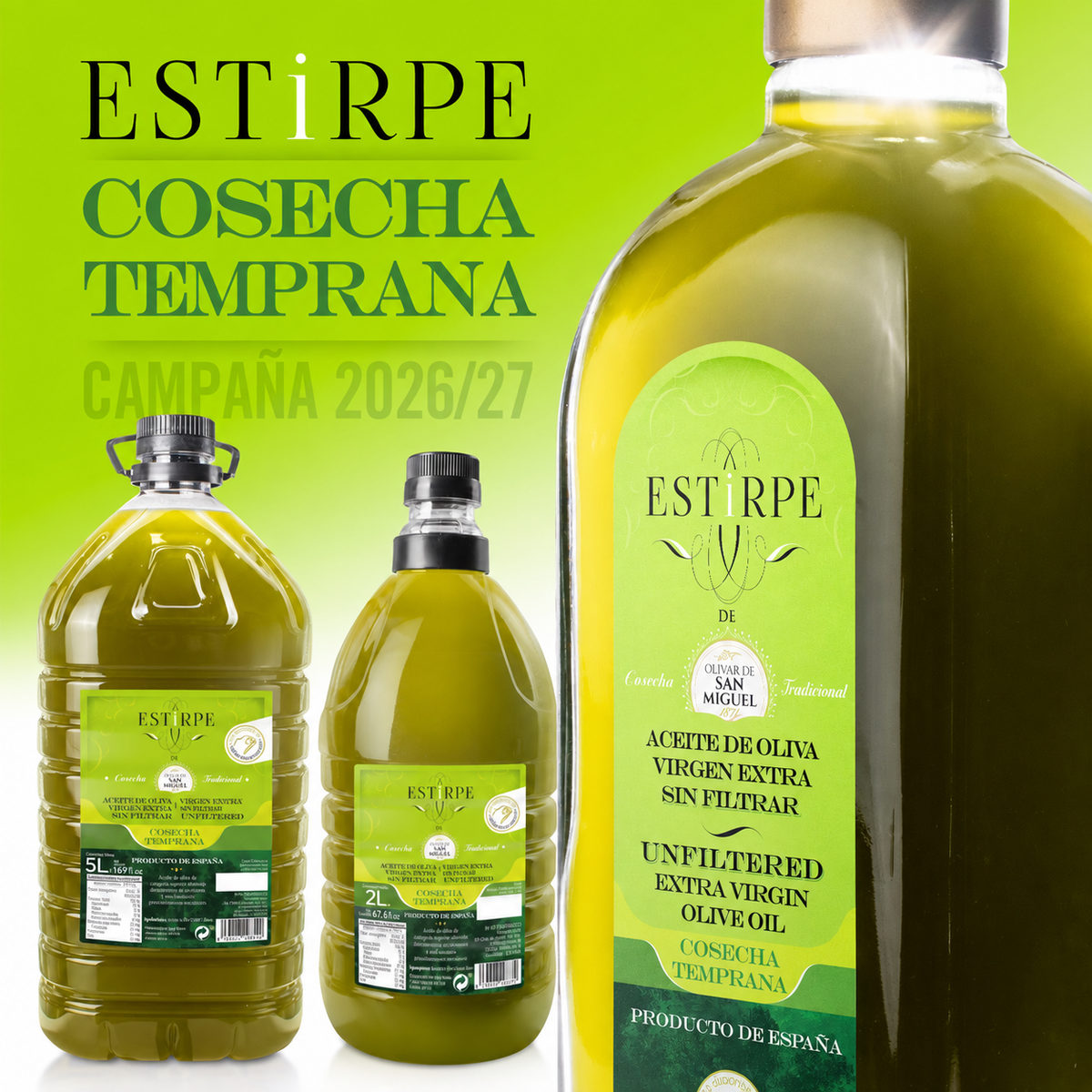
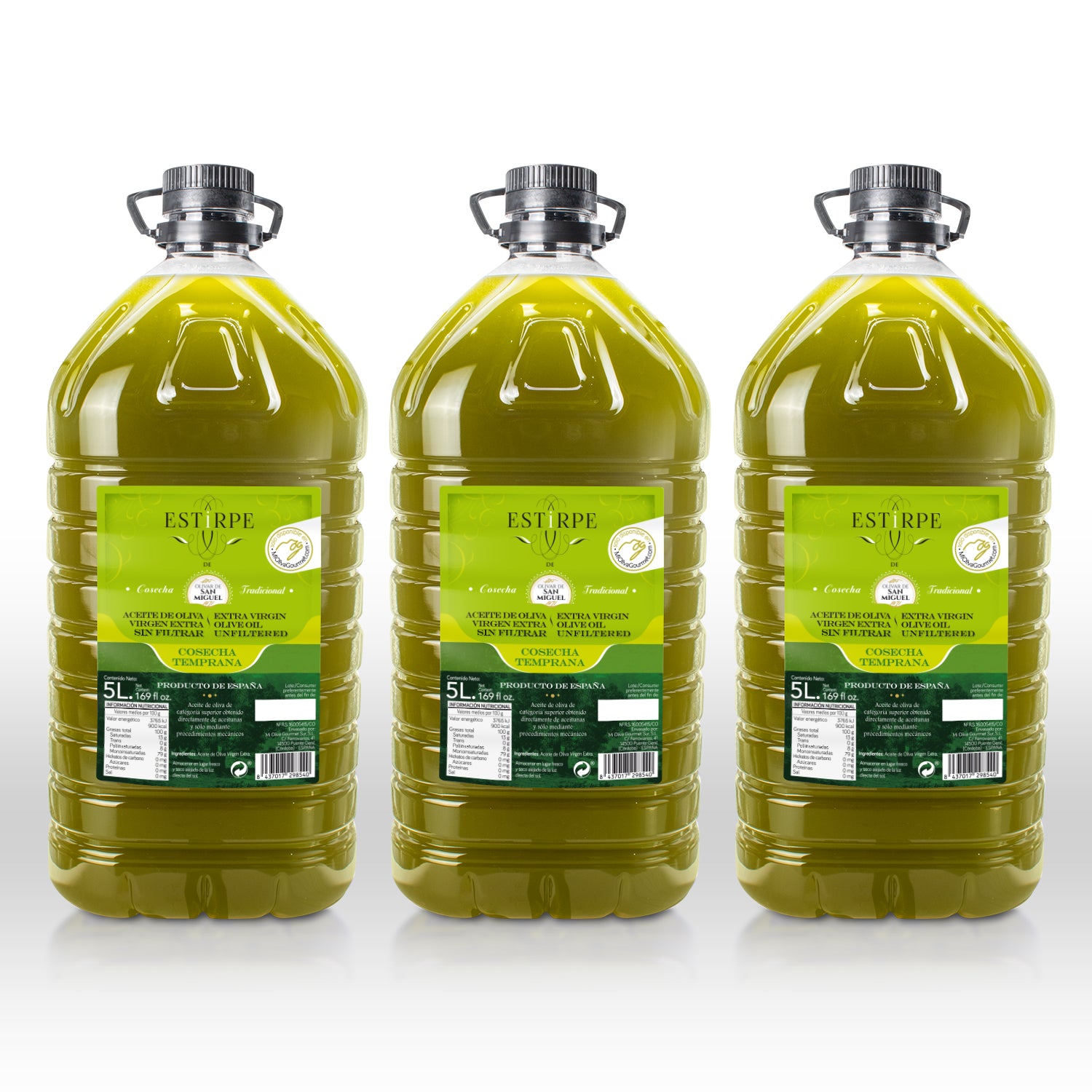
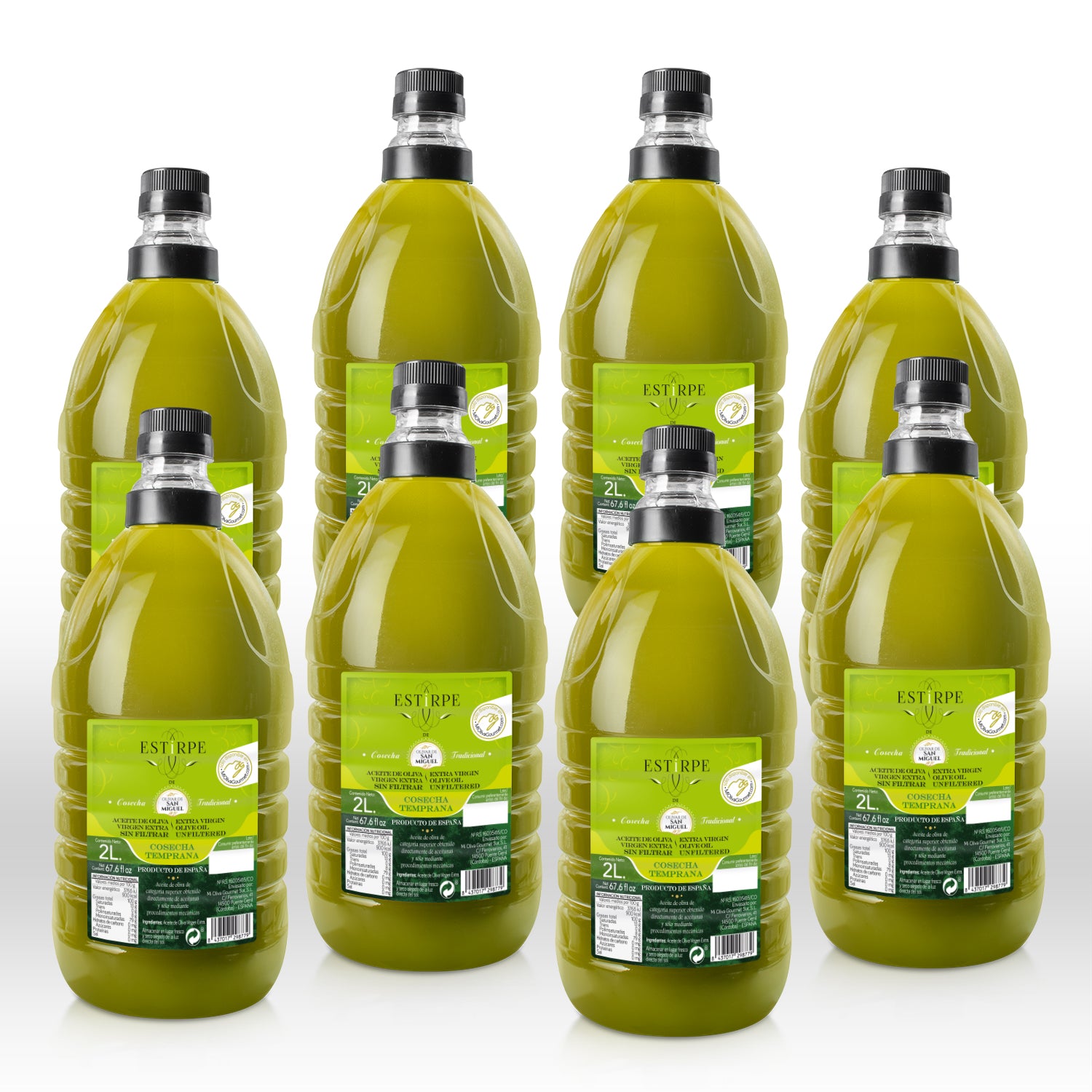
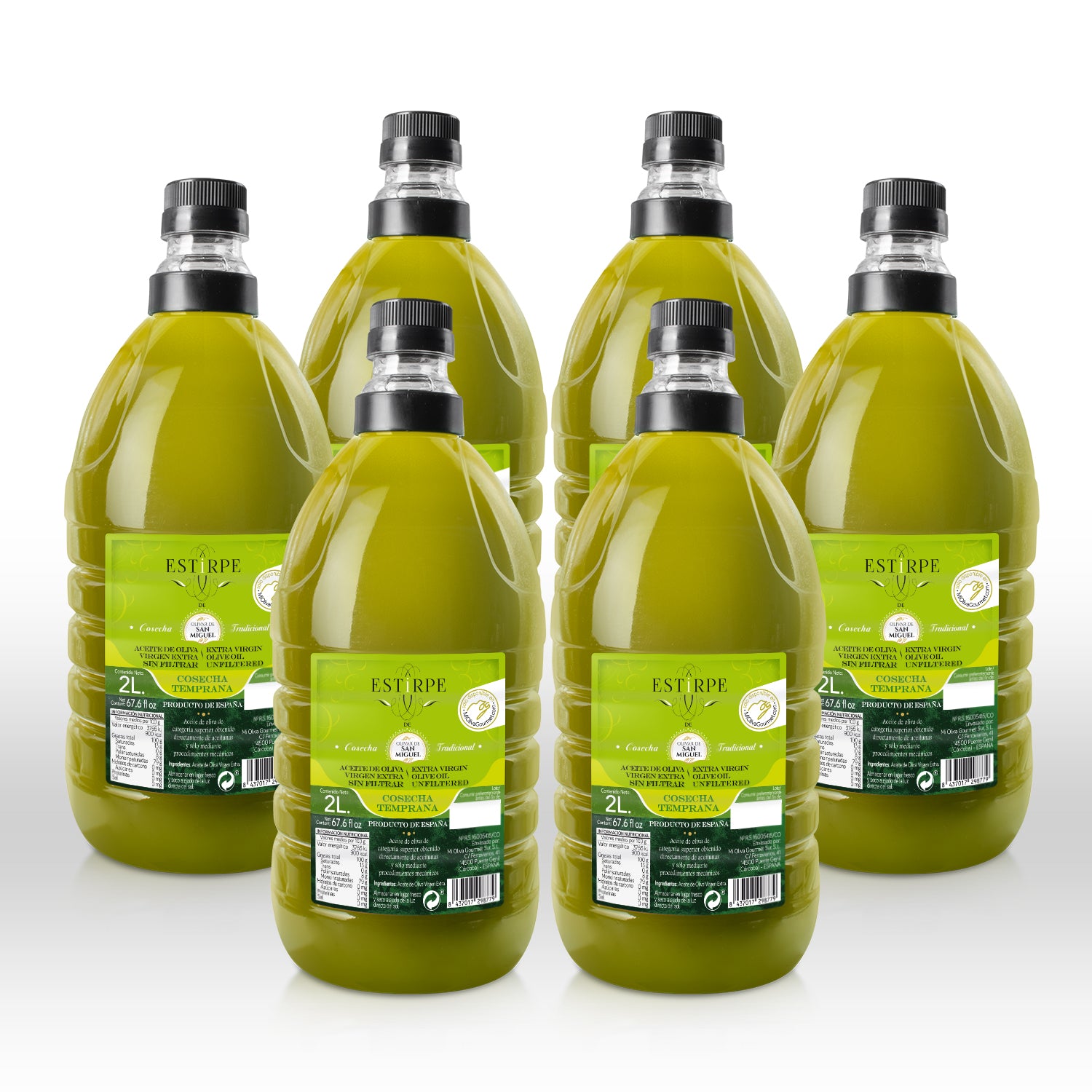
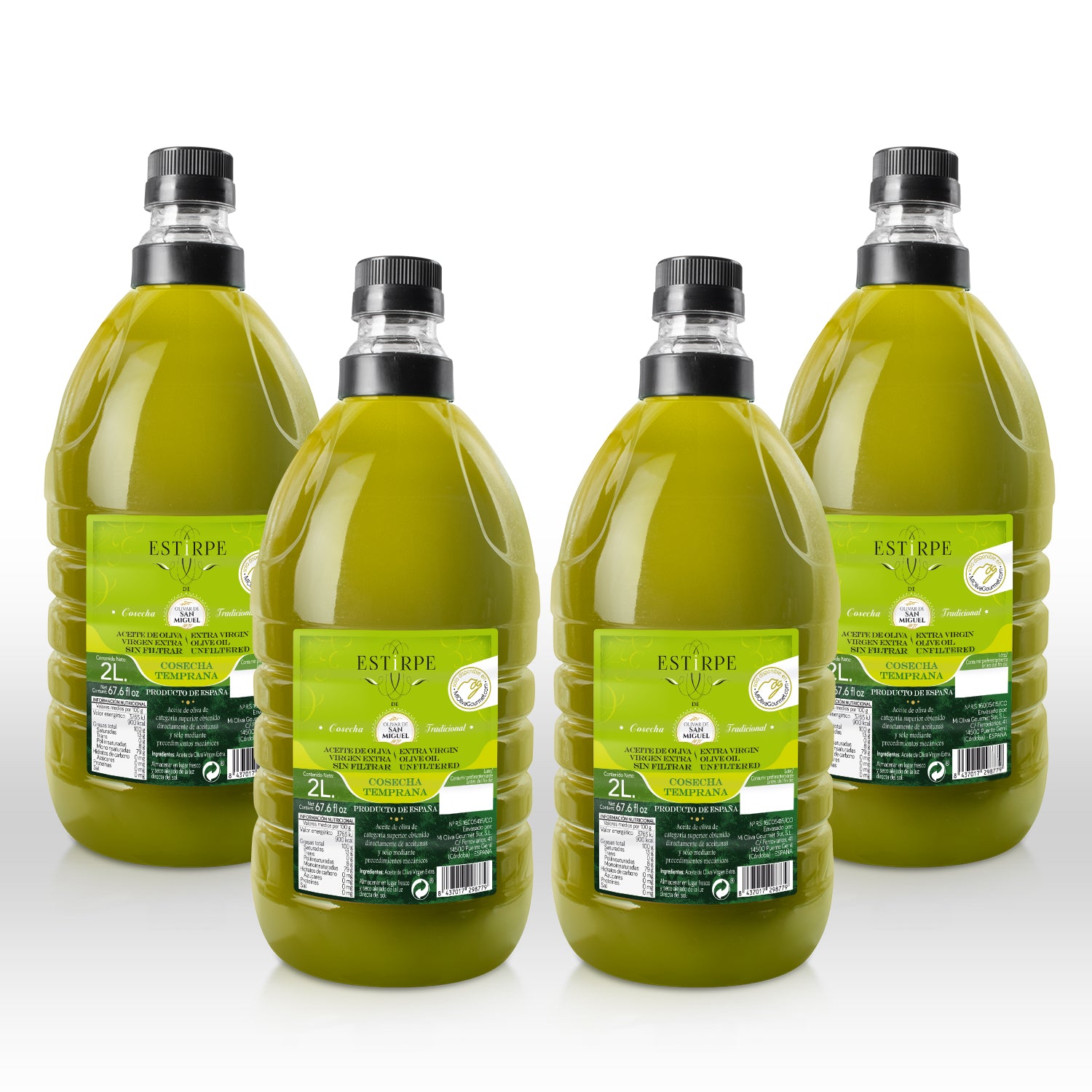
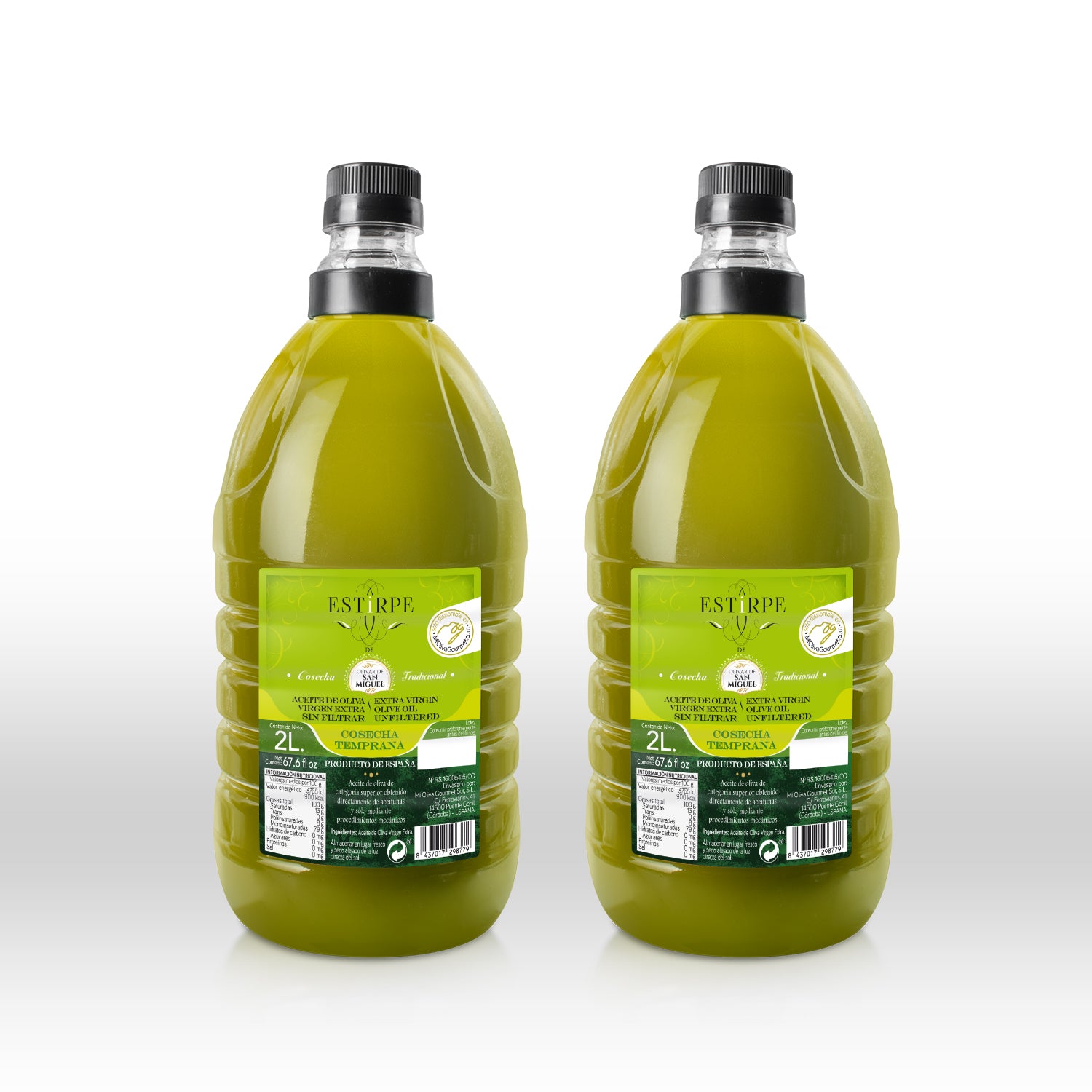
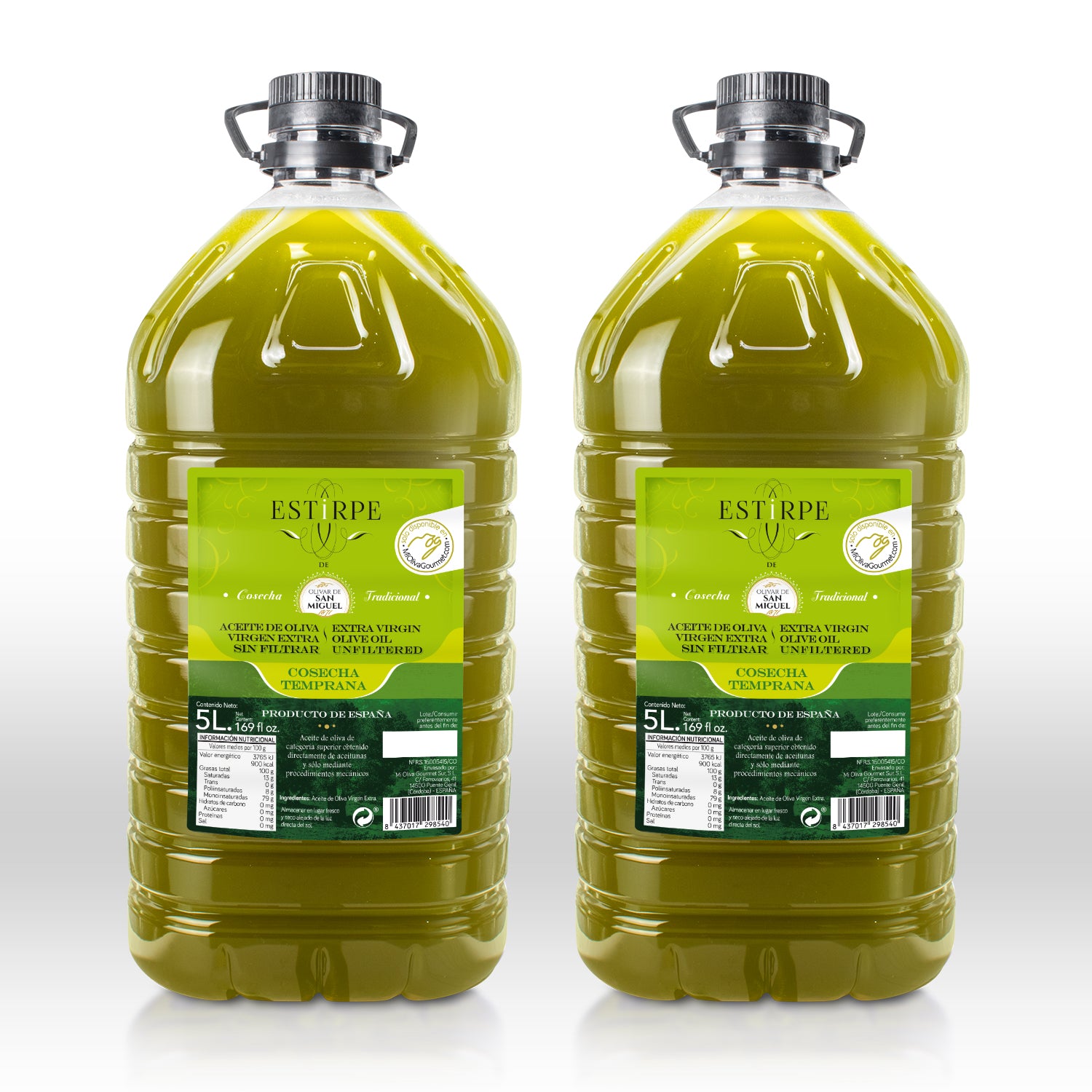
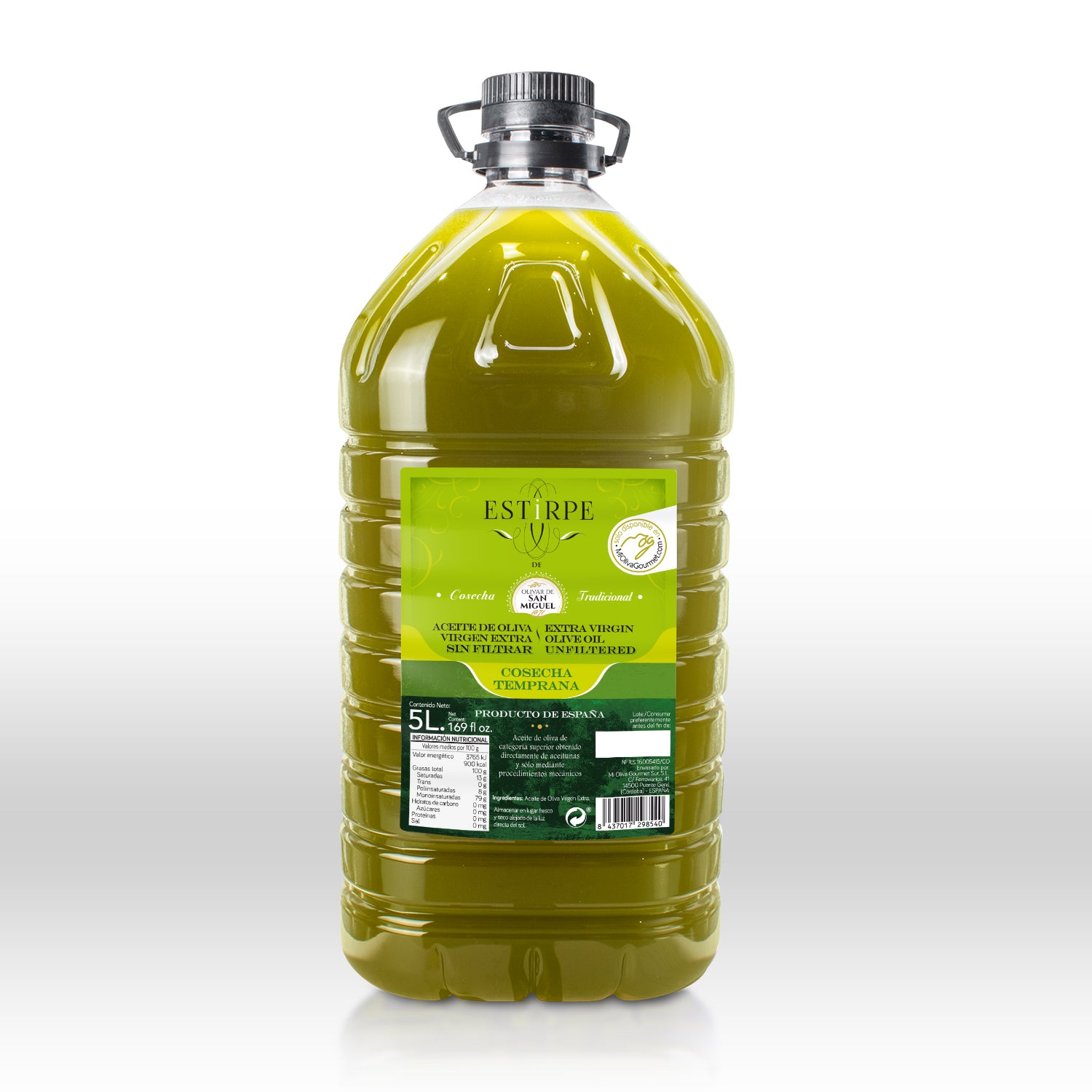
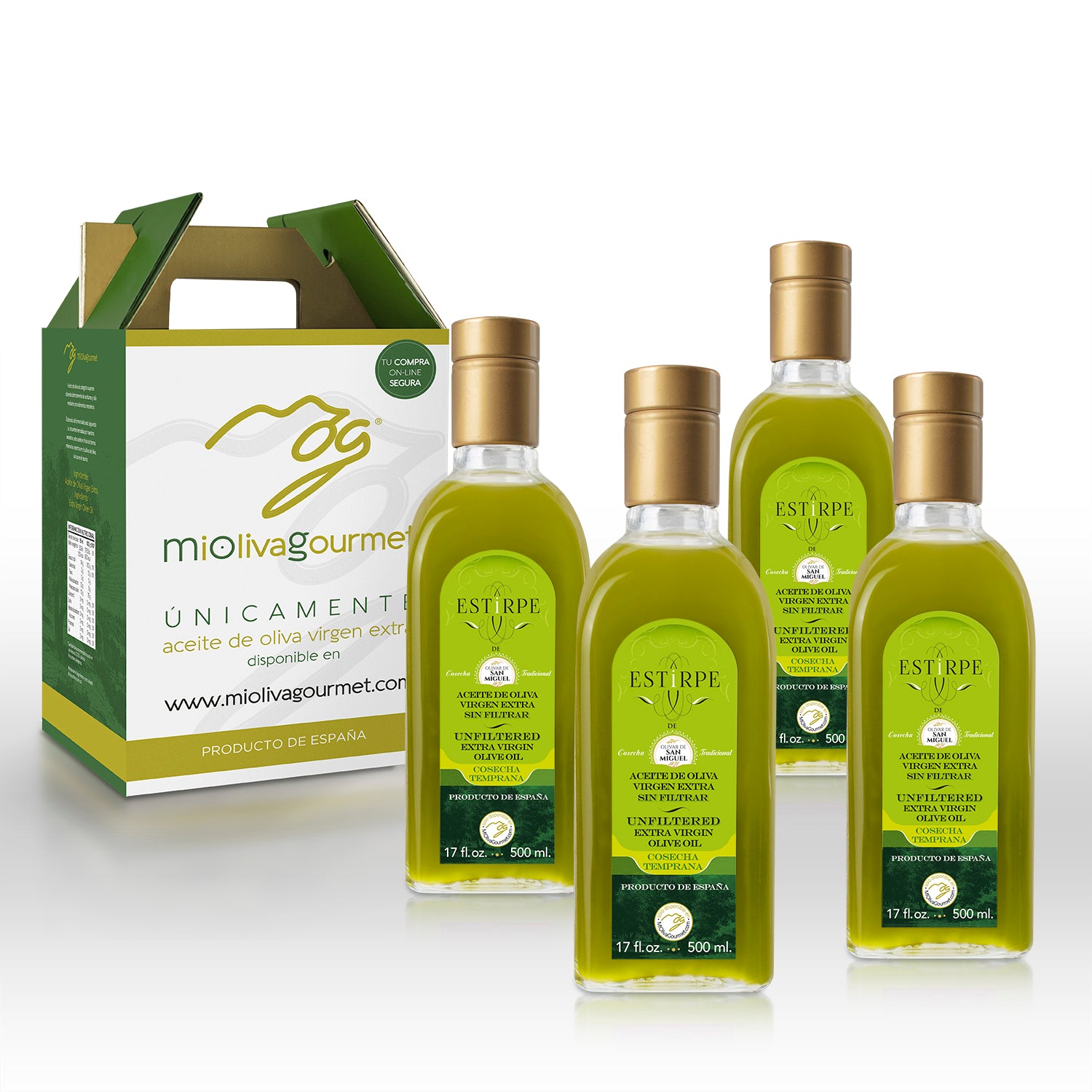
An unfiltered extra virgin oil straight from the mill: cloudy, thick and full of the flavor of freshly pressed olive juice, just like what came out of the esparto mat press. Our Estirpe Unfiltered is made with that idea in mind.
Share this article on WhatsApp
About the author
Julio César de la Vega Fernández, co-founder of Mi Oliva Gourmet together with Ricardo and Miguel Morales Chacón (Migue), fourth-generation olive growers in Puente Genil, Córdoba. Migue runs the olive grove and the mill; I make sure the oil reaches your home just as it left there. We’ve been selling direct for nine years, with no middlemen.
If you enjoyed this, keep reading:
- Why olive oil from Puente Genil is among the best in the world
- When you love what you do (Migue, on video)
- Why olive oil is called “green gold”
PS: if someone came to mind while you were reading this — a father, a grandmother, that neighbor who had olive trees — forward them this article. Some memories are best enjoyed together.




Leave a comment
This site is protected by hCaptcha and the hCaptcha Privacy Policy and Terms of Service apply.