
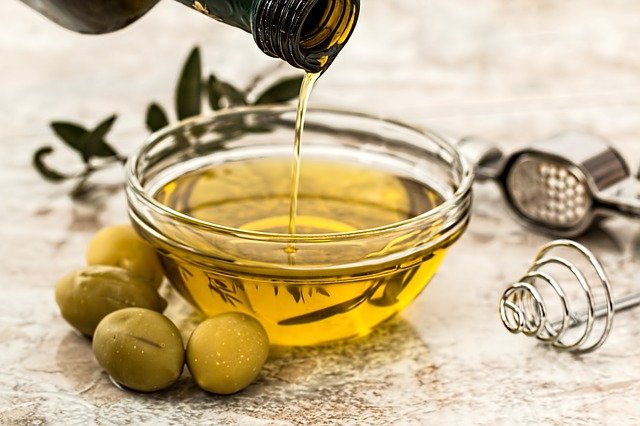
Nutritional Properties of Olive Oil
Over the years, numerous studies have been conducted to better understand the nutritional properties of olive oil.
To talk about the nutritional properties of Extra Virgin Olive Oil, we need to look at its components. Among fats, the healthiest are monounsaturated fats — precisely those that predominate in virgin olive oil.
Virgin olive oil is composed of 98% triglycerides (made up of glycerin and fatty acids). Of all the fatty acids present, oleic acid is the most abundant and one of the most beneficial for a healthy diet.
Oleic acid is natural and widely found in vegetable oils. The main contribution of oleic acid to our diet is that by replacing saturated fats with unsaturated fats, it helps maintain normal blood cholesterol levels.
Other important components in olive oil are polyphenols and tocopherols, among which Vitamin E stands out. As noted by the Spanish Heart Foundation, Extra Virgin Olive Oil contains 22.5mg of Vitamin E per 100g. This means a 20g serving of EVOO provides 3.38mg of Vitamin E — 45% of the recommended daily intake set by Directive 90/496/EEC of the European Economic Community.
Vitamin E plays a vital role, as it helps protect cells against oxidative damage.
All of these components can be found in various foods, but they are all present together in extra virgin olive oil — which is precisely what makes it such a unique product, earning it the name "liquid gold" or "yellow gold."
If you'd like to learn more about olive oil and its uses, I recommend reading on:
The 3 differences between Gourmet Olive Oil and the rest
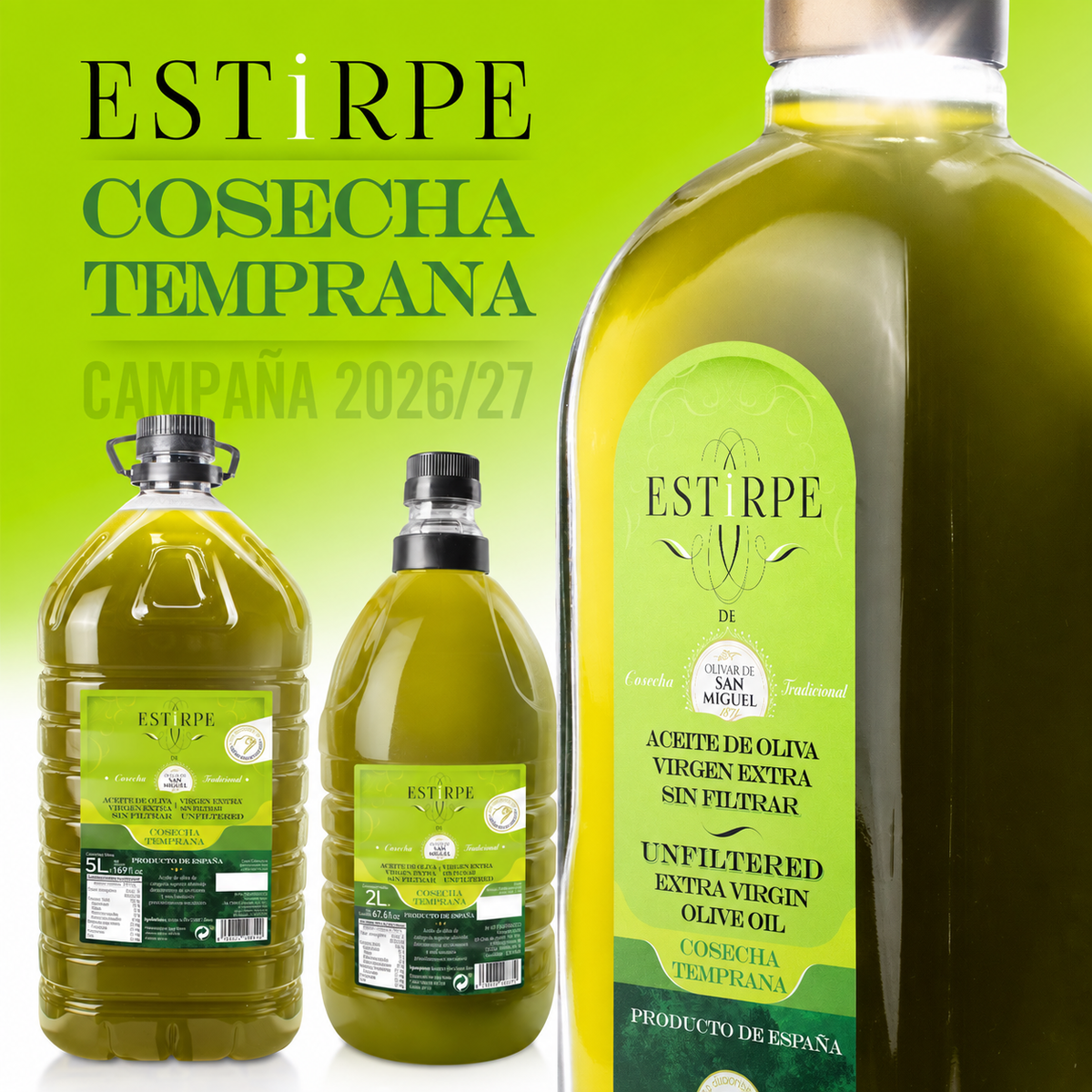
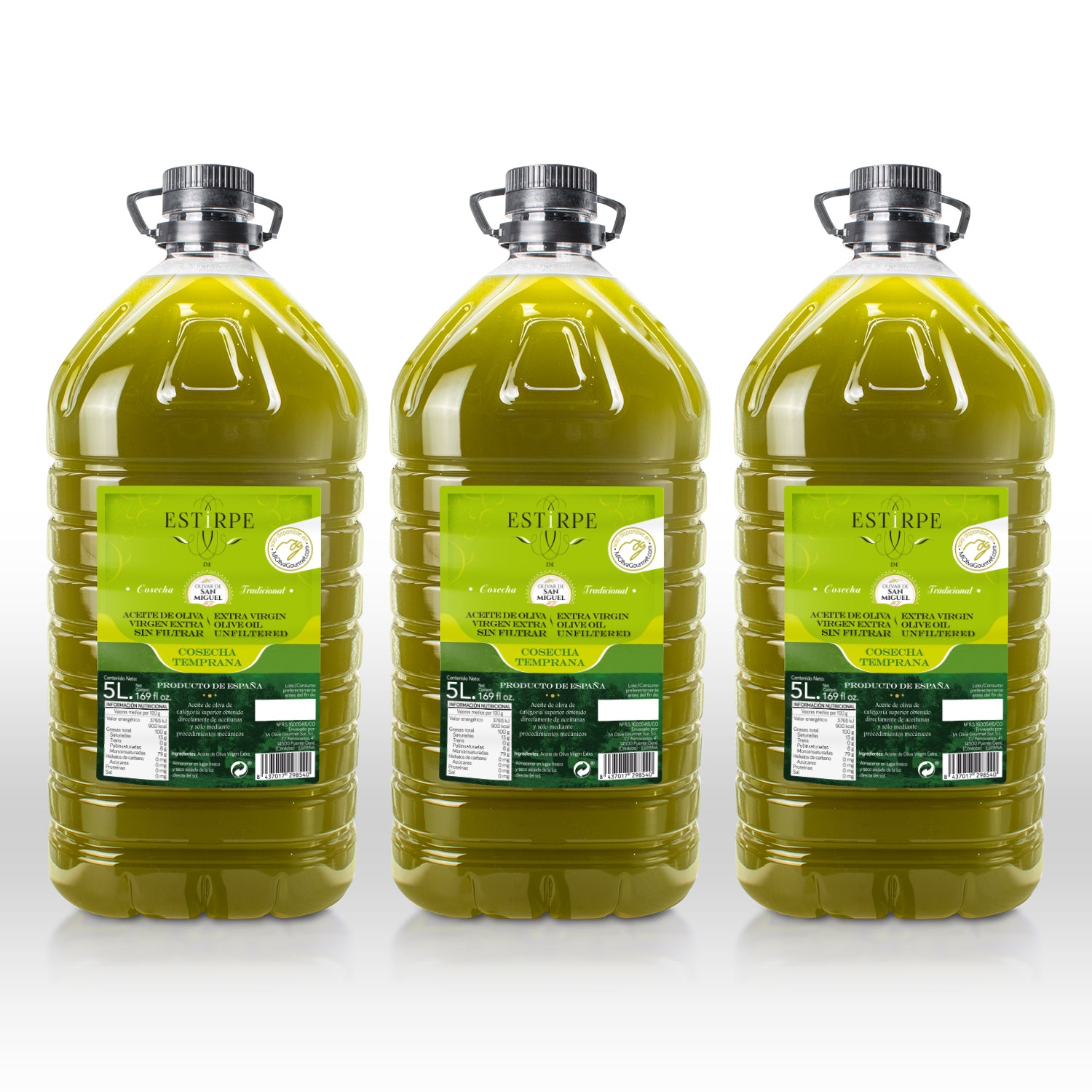
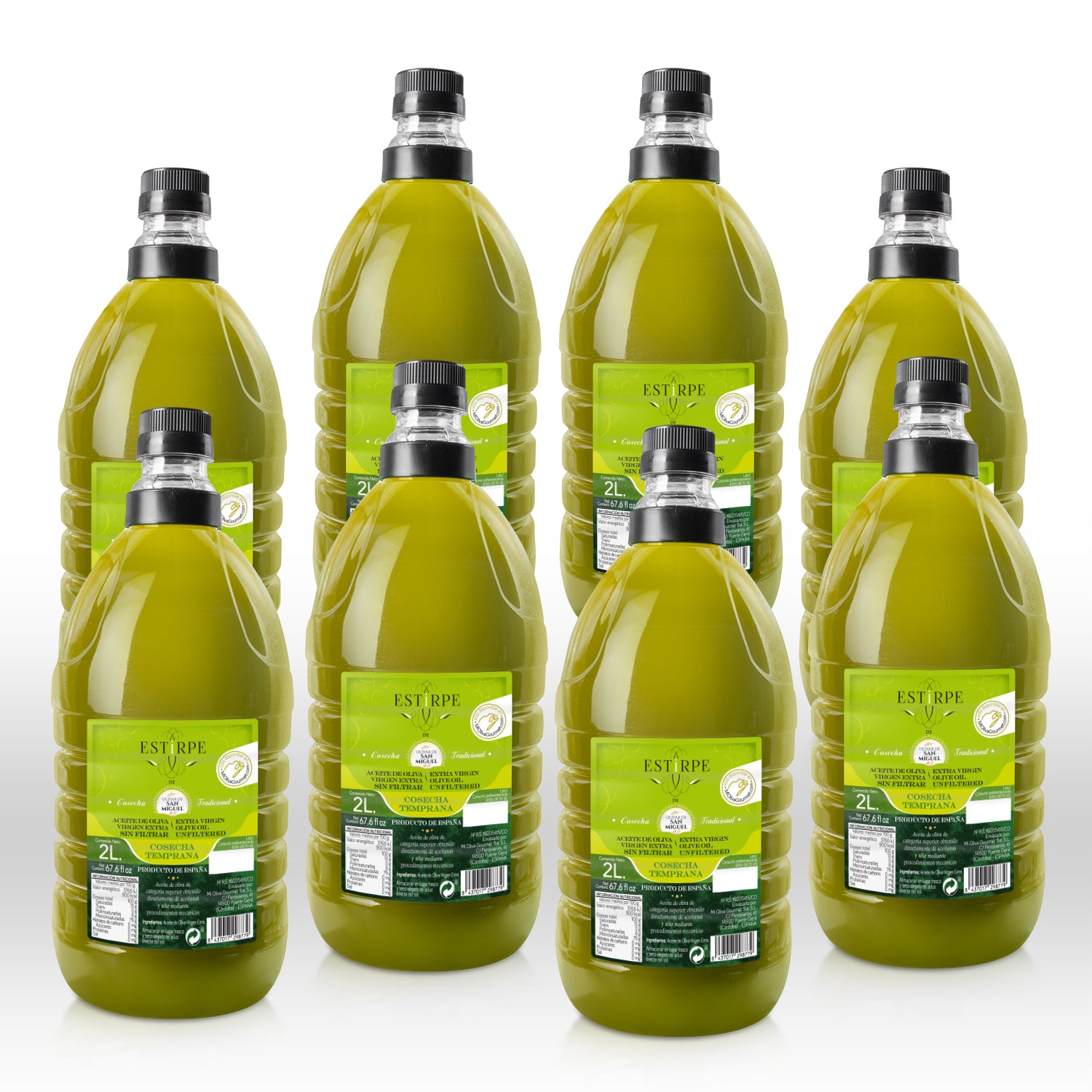
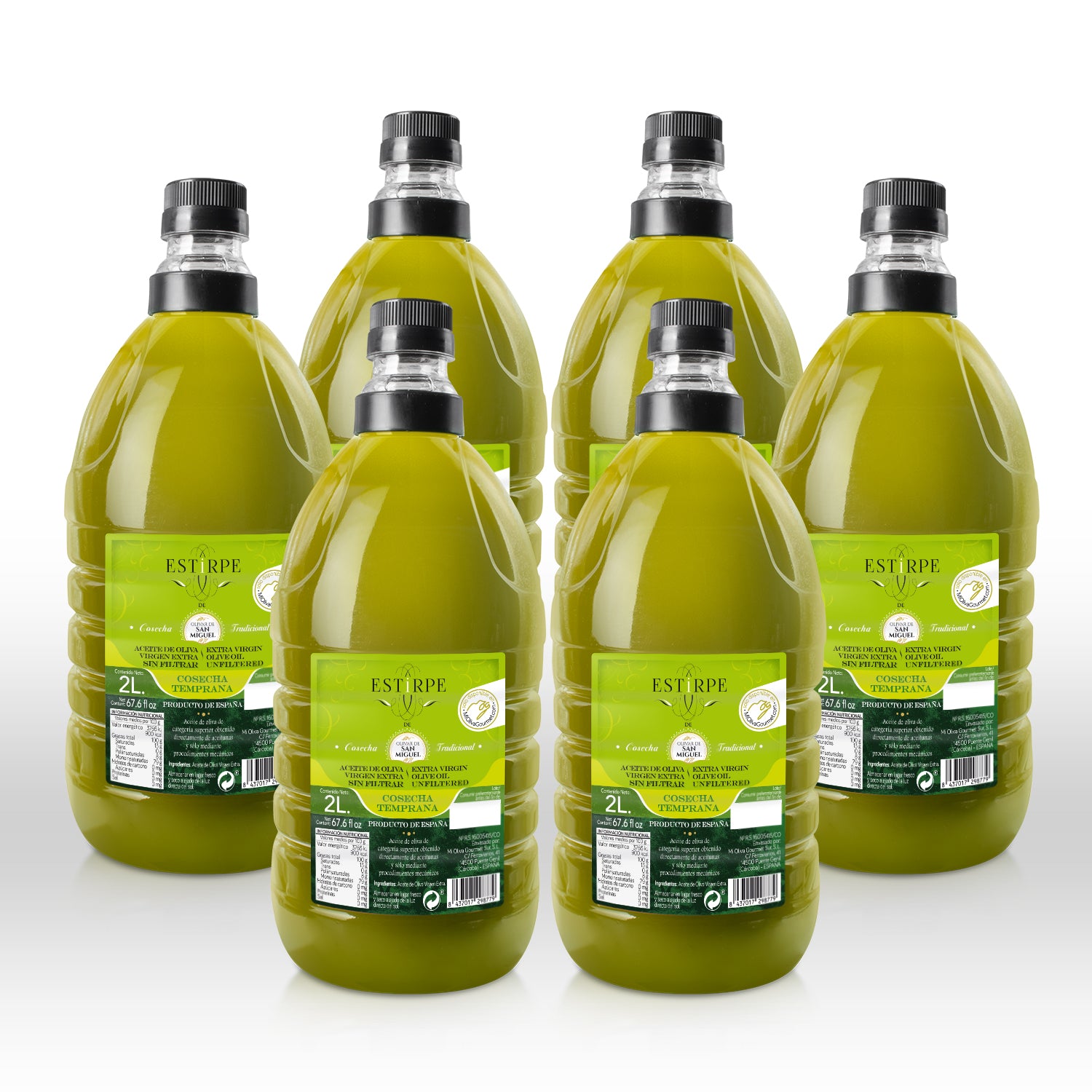
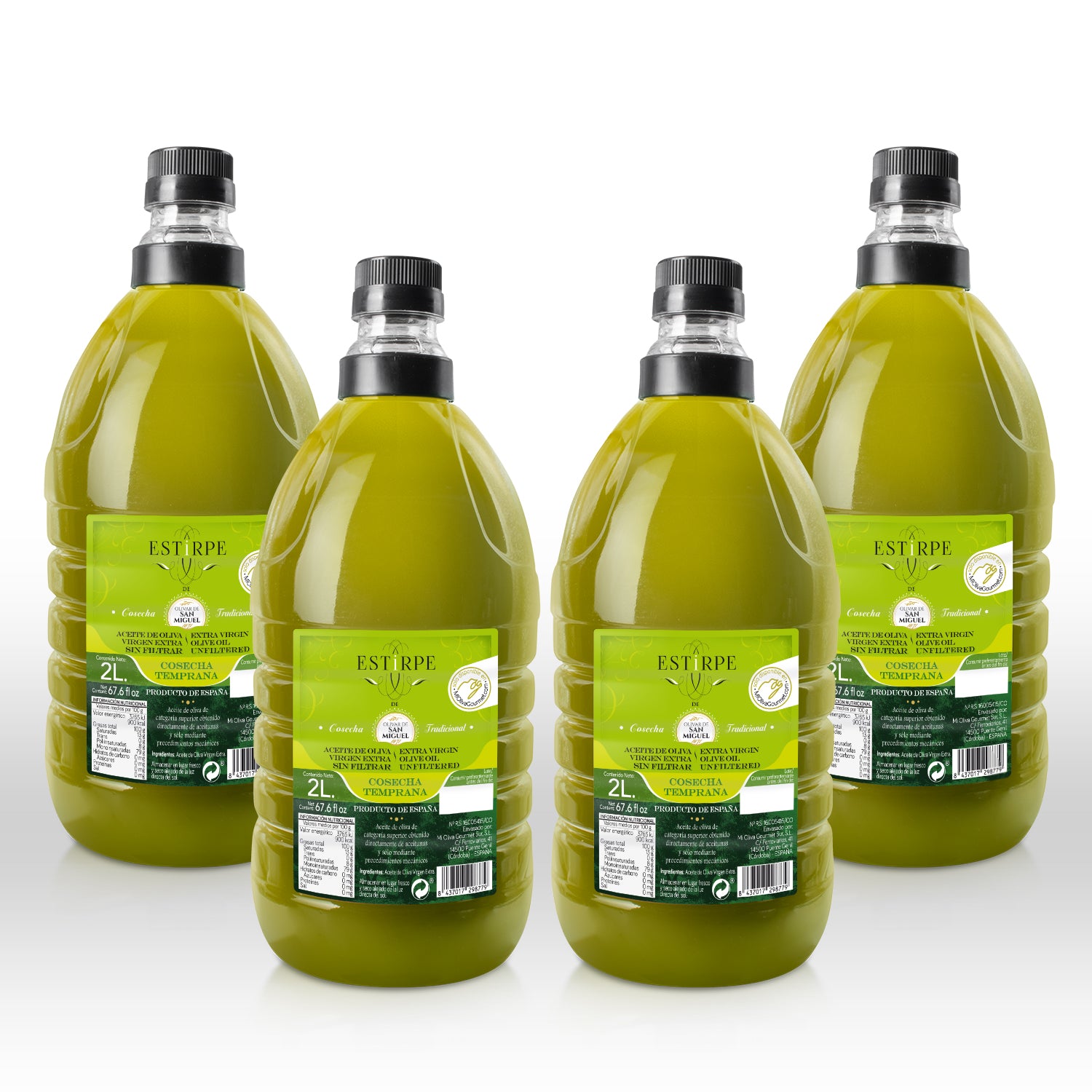
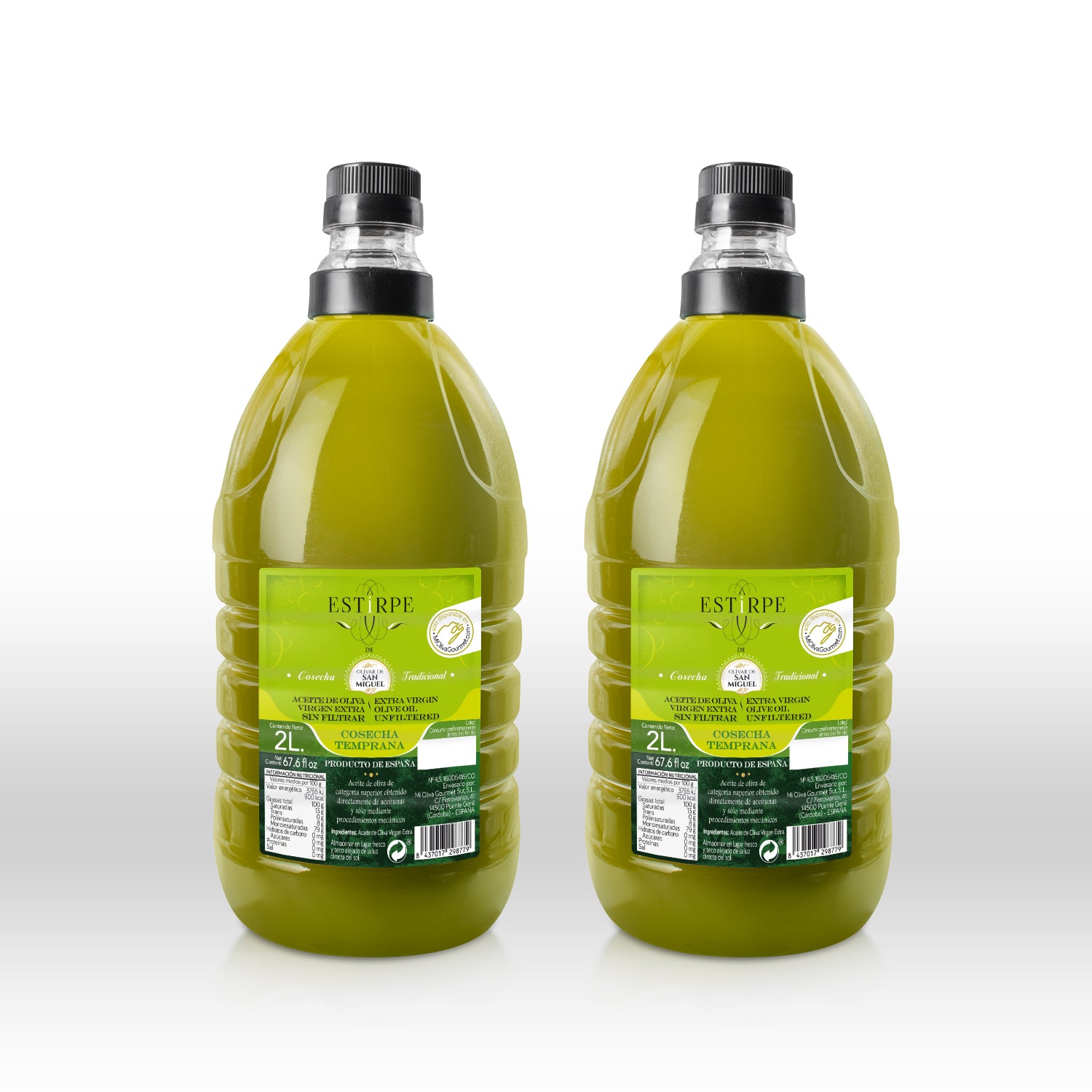
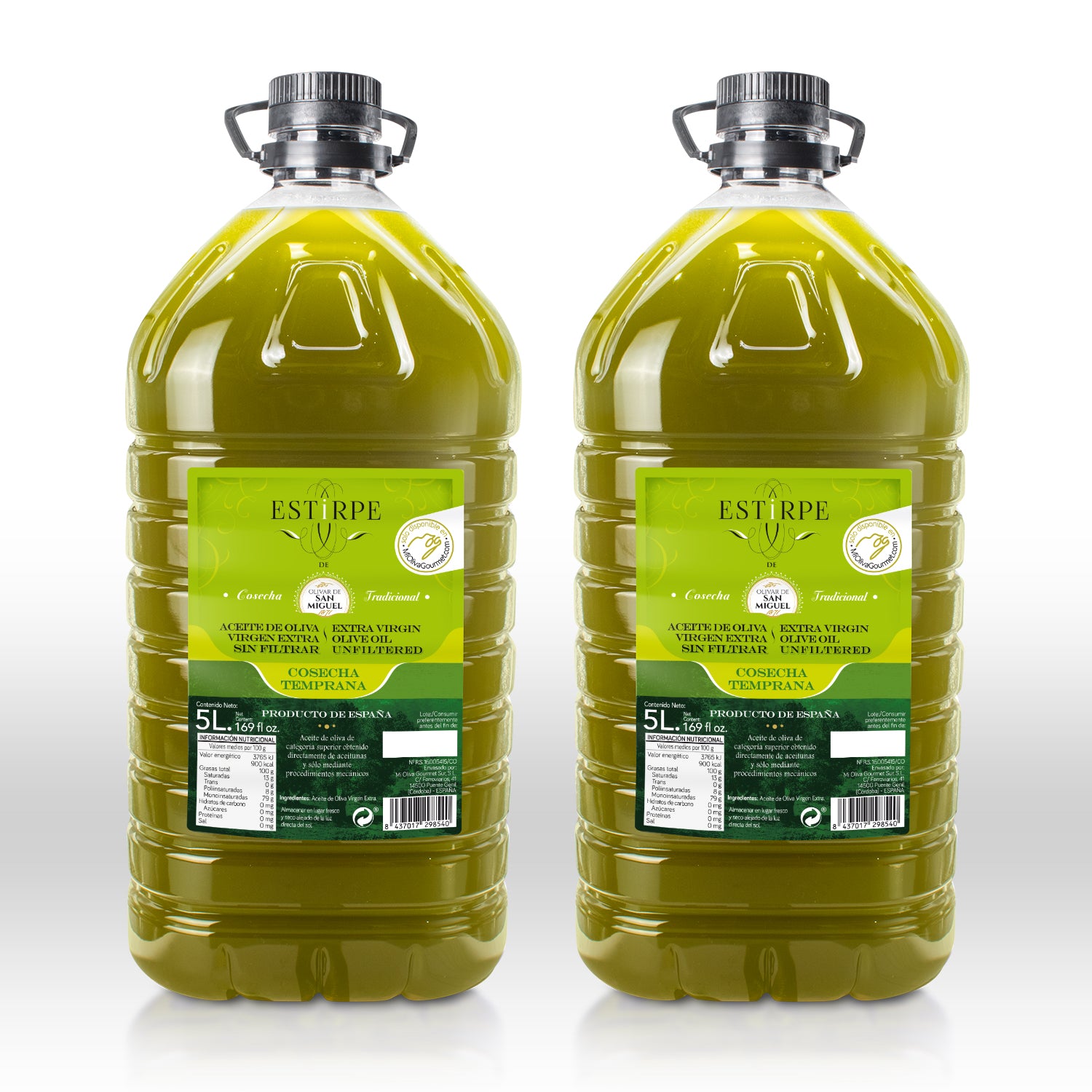
And here are our best-selling EVOOs:




Leave a comment
This site is protected by hCaptcha and the hCaptcha Privacy Policy and Terms of Service apply.