
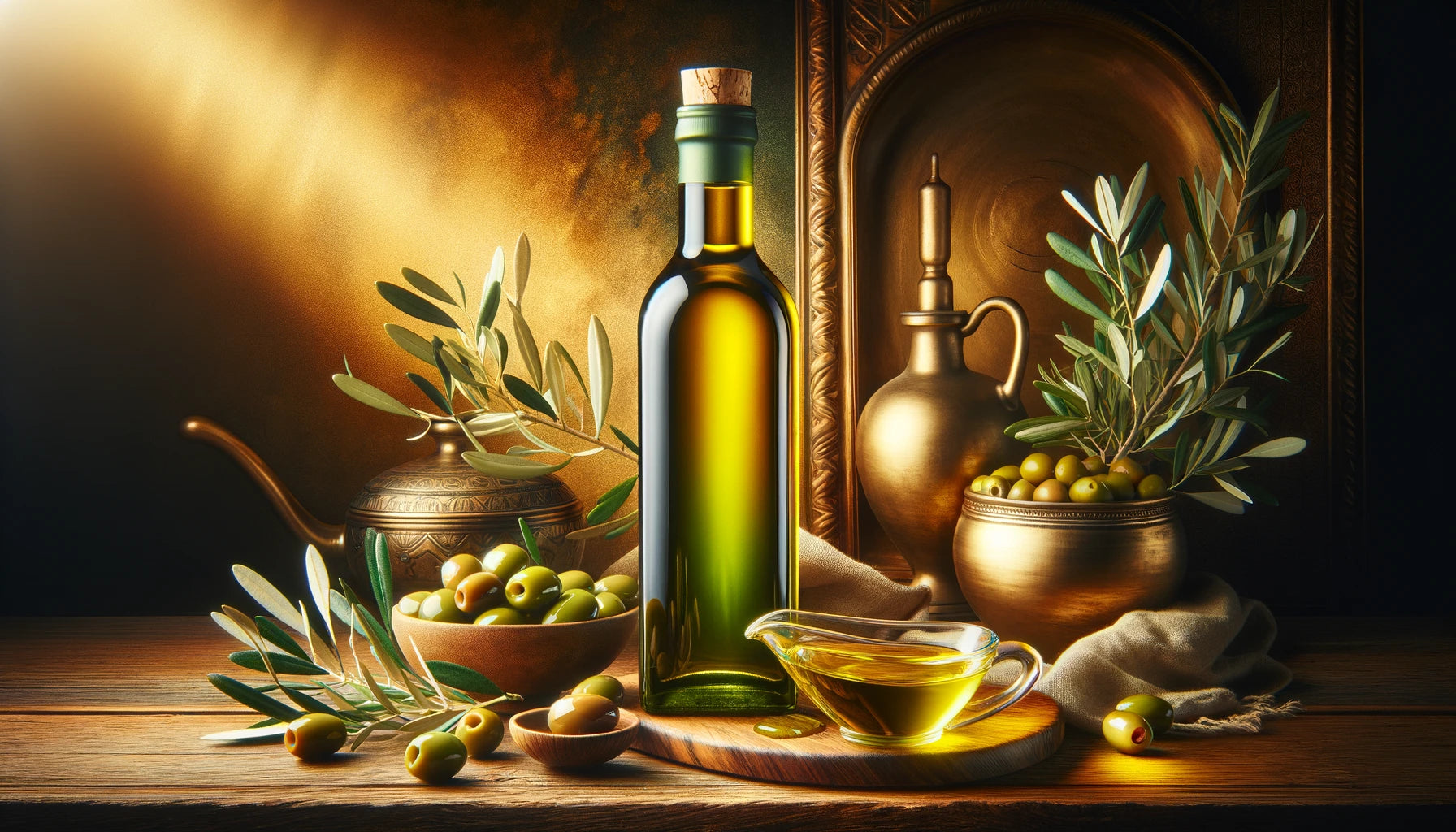
Extra Virgin Olive Oil: Everything You Need to Know
Extra Virgin Olive Oil is renowned for its exceptional quality and wide-ranging benefits. It comes from the cold extraction of high-quality olives, which guarantees a final product of maximum purity and flavor. The quality of Extra Virgin Olive Oil depends largely on its origin and the way it is produced, making it essential to understand these details when choosing a good product to enjoy at the table.
Here is everything you need to know about this delicious and wholesome oil.
The History of Extra Virgin Olive Oil
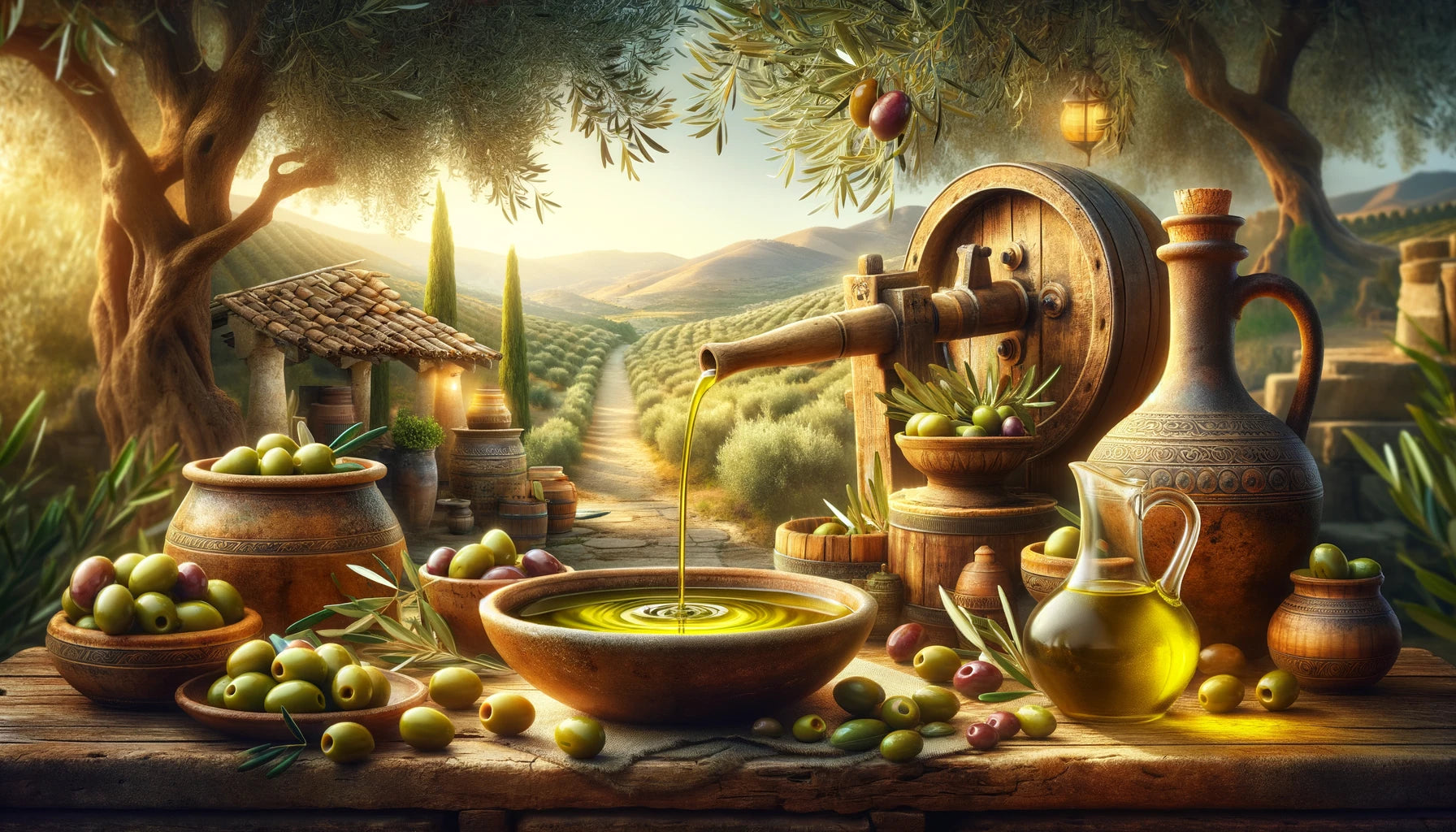
Extra Virgin Olive Oil has a long history stretching back thousands of years. Since antiquity, Mediterranean civilizations have used this prized liquid as food, medicine, and a symbol of beauty.
Over the centuries, Extra Virgin Olive Oil has become a fundamental ingredient in kitchens around the world, celebrated for its exquisite flavor and unique properties.
How New Harvest Extra Virgin Olive Oil Is Made

The production of olive oil is an age-old craft that brings together tradition and technology to yield a product of outstanding quality and distinctive flavor. From harvesting the olives in the grove to milling and extraction at the mill, every step is crucial to preserving the fruit's properties and obtaining a pure, wholesome oil.
Through a careful process of sorting, cleaning, crushing, malaxing, and centrifugation, an Extra Virgin Olive Oil is produced that retains all its aroma, flavor, and beneficial qualities — particularly unfiltered olive oil.
Extra Virgin Olive Oil vs. Other Types of Olive Oil
Extra Virgin Olive Oil stands apart from other oil types thanks to its exceptional quality and unmatched flavor. Unlike refined oils, EVOO is obtained exclusively through mechanical processes, with no chemical solvents involved. Its high monounsaturated fatty acid content also makes it a healthier choice for dressing your favorite dishes.
There is an Official Regulation on Extra Virgin Olive Oil that distinguishes oil types according to their chemical and organoleptic properties. This regulation is fundamental to guaranteeing the quality and authenticity of the oils we consume — below we summarize its most relevant points in comparison with other oil categories.
The Benefits of Extra Virgin Olive Oil
Extra Virgin Olive Oil is prized not only for its exquisite flavor and aroma, but also for a range of qualities that make it an indispensable ingredient in the kitchen. With its high content of antioxidants and monounsaturated fatty acids, this oil helps enhance the flavor of food and bring out its finest qualities.
Antioxidant Properties
Extra Virgin Olive Oil is well known for its many qualities, chief among them its powerful antioxidant properties. These stem from its high polyphenol content — compounds that protect cells from damage caused by free radicals. Regularly consuming a quality Extra Virgin Olive Oil is a sound choice as part of a balanced diet.
Role in the Diet
Extra Virgin Olive Oil is an essential component of the Mediterranean diet. Obtained from the first pressing of the olives, it retains its nutritional and antioxidant properties intact. Consumed in moderation, it fits naturally into a balanced diet, supporting healthy digestion and an active lifestyle.
Uses in the Kitchen
Traditional Cooking vs. Modern Cooking
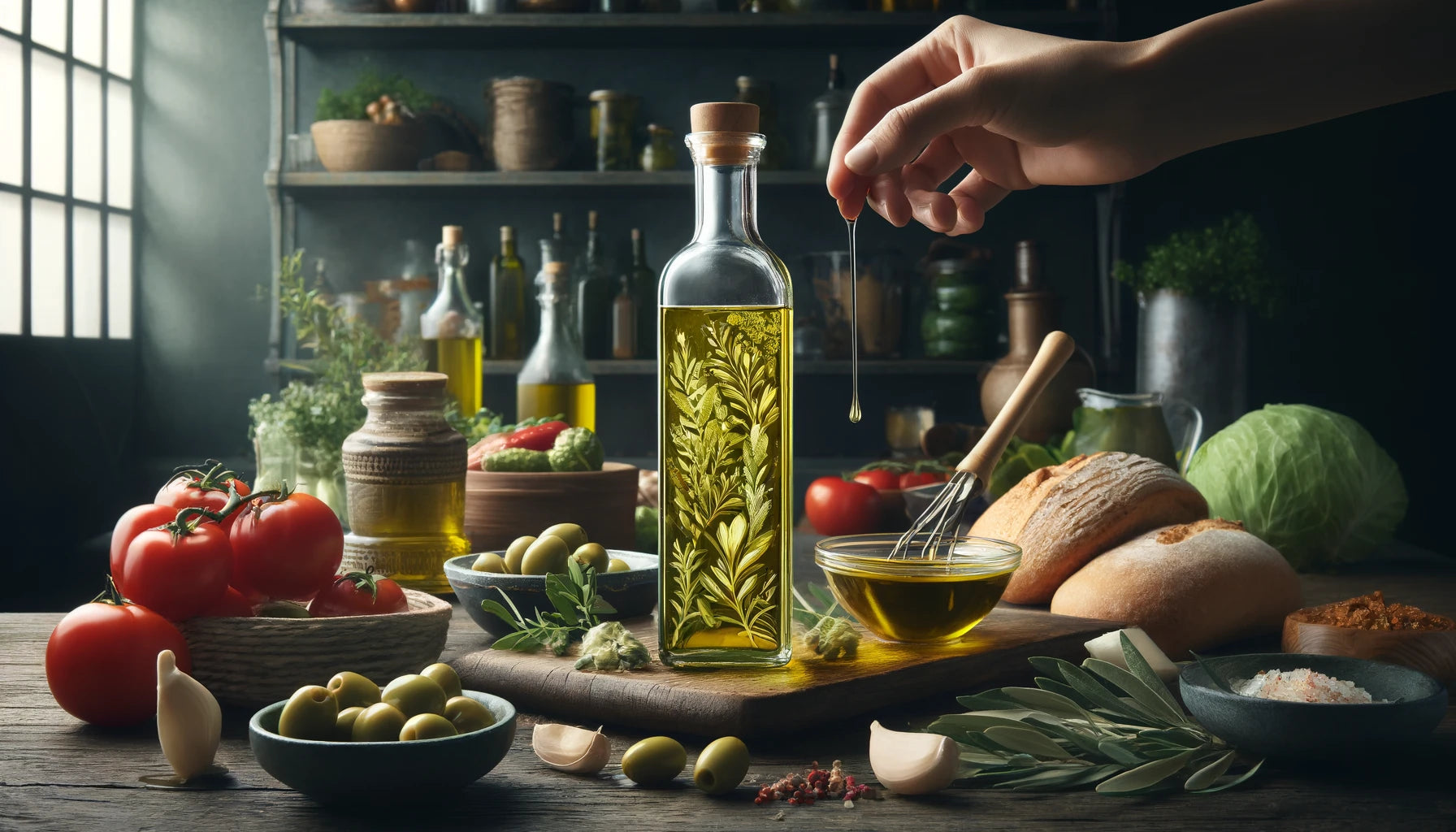
Extra Virgin Olive Oil features in a wide variety of dishes, both traditional and contemporary. In traditional cooking, it is a staple ingredient in recipes such as gazpacho, paella, and alioli. In modern kitchens, leading chefs use it to create emulsions, marinades, and finishing touches on gourmet dishes — including with unfiltered oil. The versatility of Extra Virgin Olive Oil makes it an indispensable ally in any kitchen.
How to Choose and Store Extra Virgin Olive Oil
When choosing Extra Virgin Olive Oil, always look for products with properties well above the minimum required by regulation and that clearly state the harvest date. Store the oil in a cool, dark place to preserve its properties and prevent oxidation. Use dark glass containers to protect it from light, and make sure to seal it properly after each use.
Varieties of Extra Virgin Olive Oil
Olive Varieties Used
The most common olive varieties used to produce Extra Virgin Olive Oil include Arbequina, Hojiblanca, Picual, and Cornicabra. In our area of Puente Genil, Hojiblanca Extra Virgin Olive Oil is the predominant variety. Each variety brings a unique flavor profile, from smooth and fruity to robust and peppery, as is the case with extra Hojiblanca.
Organic Extra Virgin Olive Oil is defined by a specific cultivation and production process that must be officially certified.
Spain, Italy, and Greece are the world's leading producers of Extra Virgin Olive Oil. Within Spain, regions such as Puente Genil, Jaén, and Seville are renowned for their high-quality oils — although only a handful of the finest EVOOs can be found in an online shop.
Olive Oil Product Formats
Extra Virgin Olive Oil (EVOO) is sold in a variety of bottles, formats, and materials to suit the different needs and preferences of consumers. Below, we explore the most common formats and their characteristics:
-
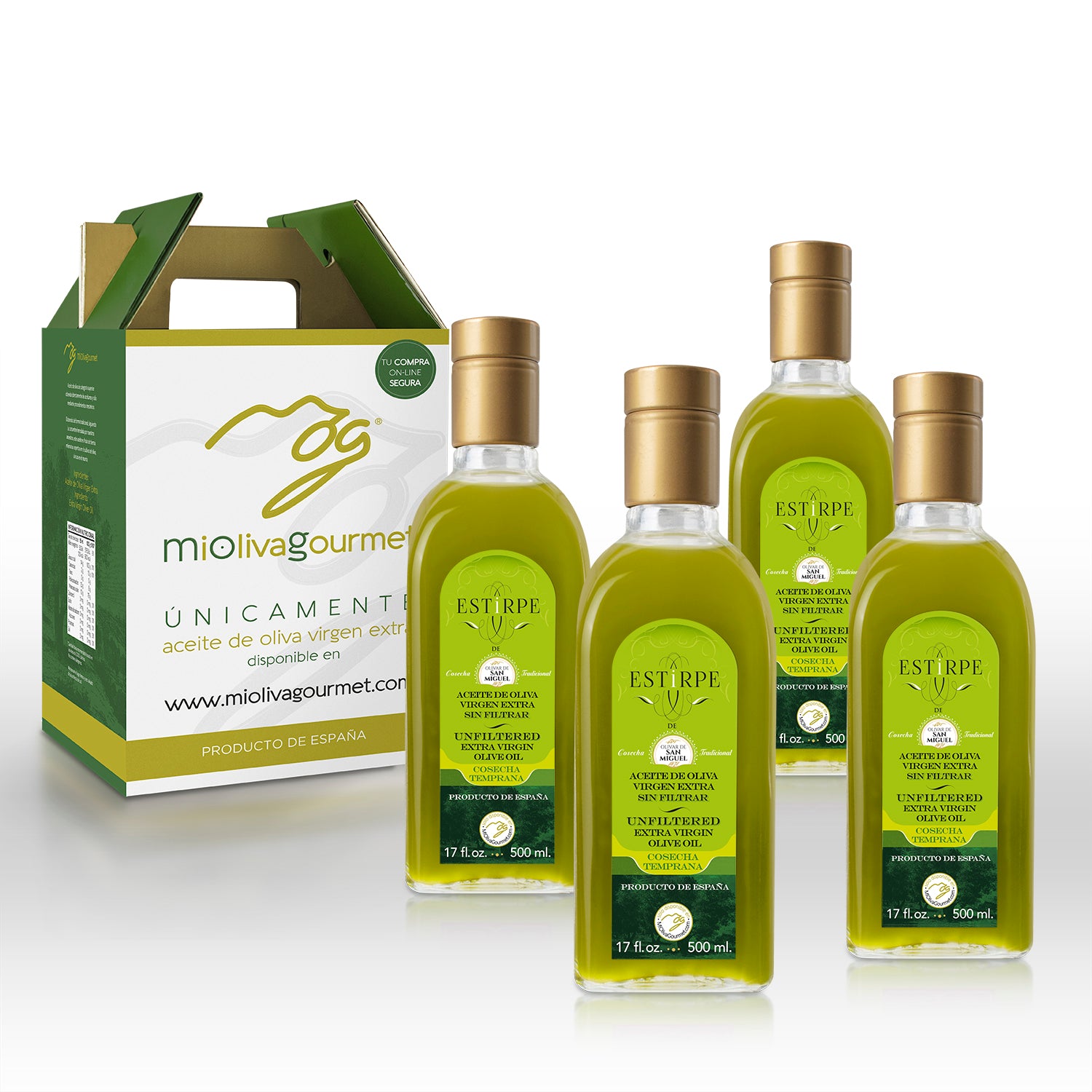
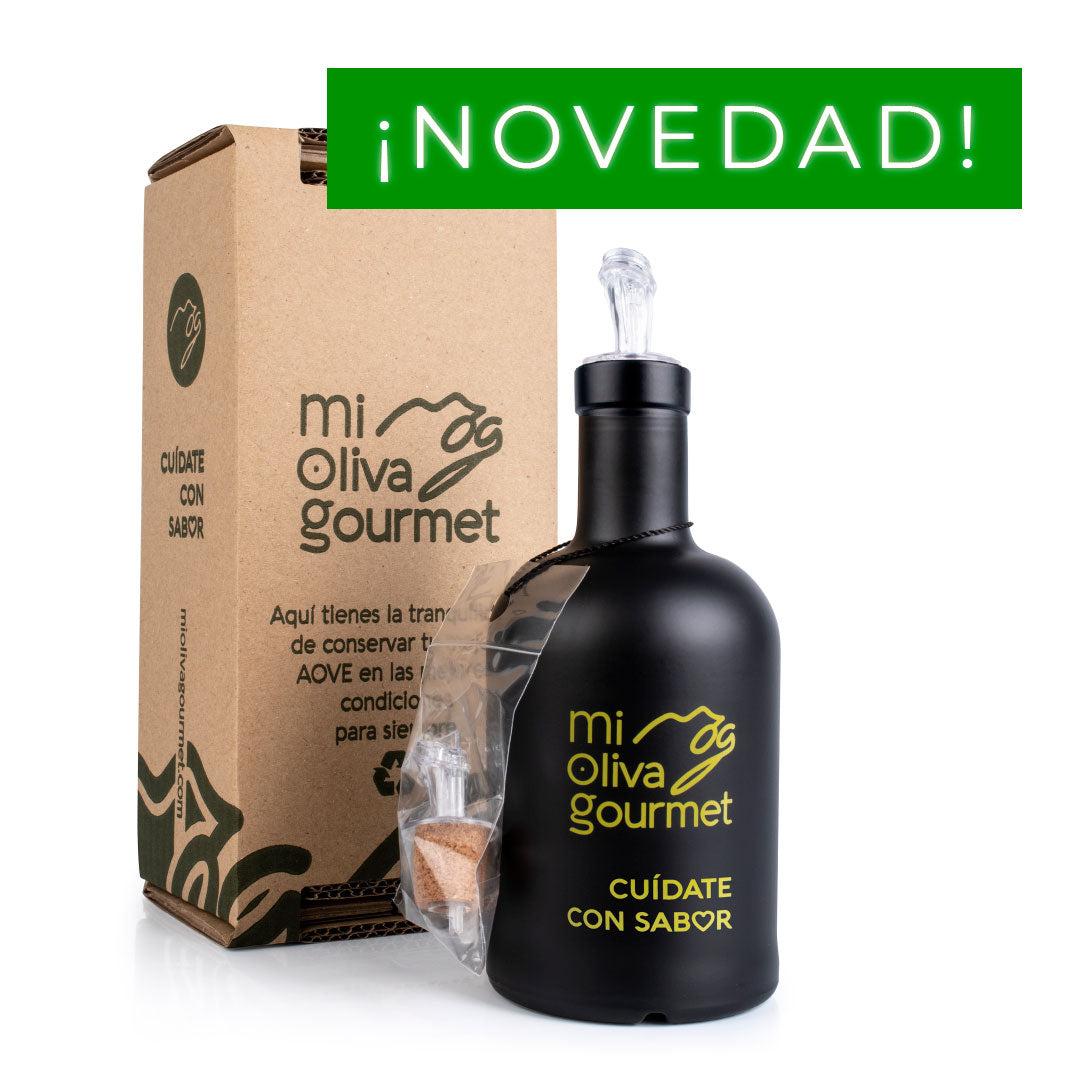
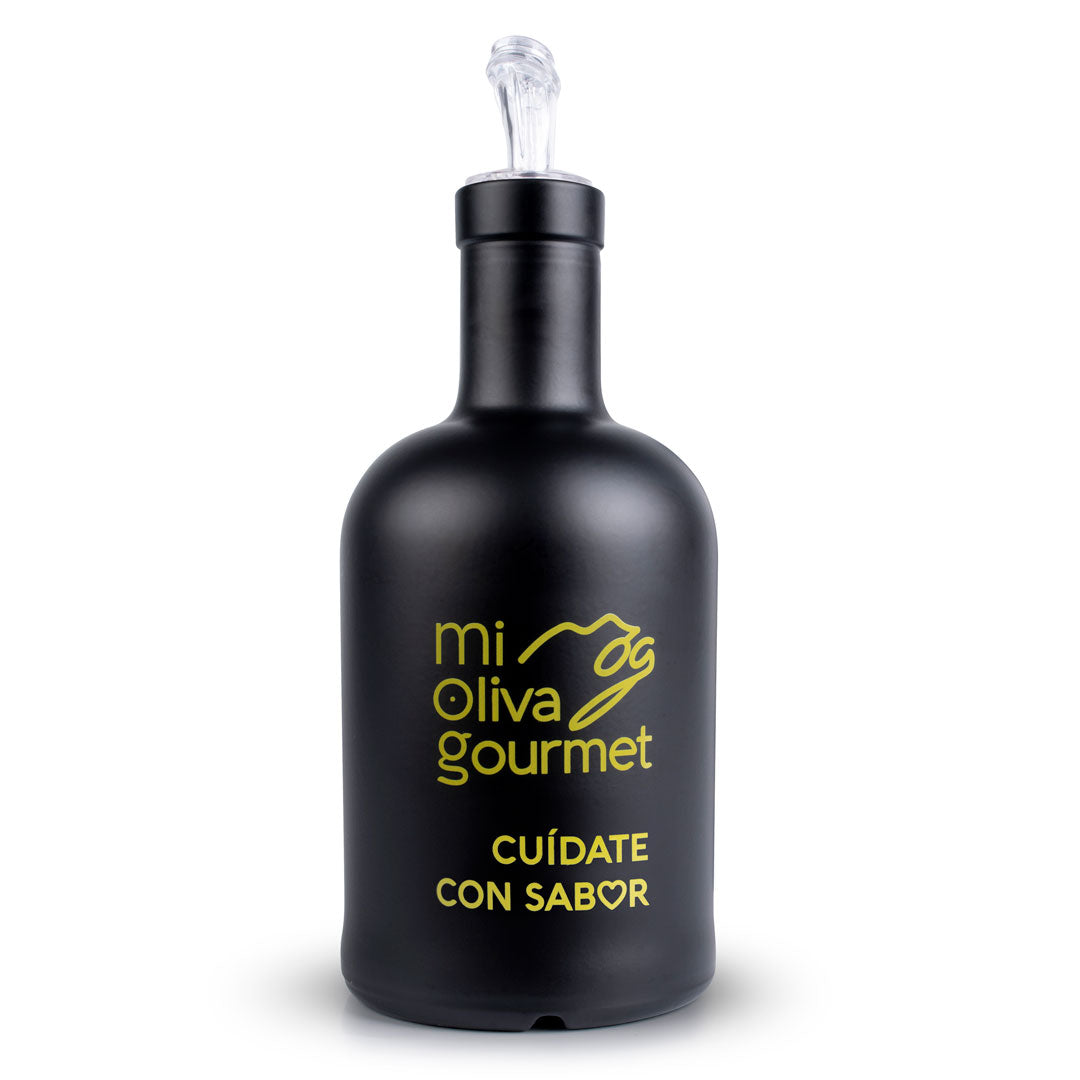
Glass Bottles. Glass bottles are one of the most popular formats for EVOO. The material does not react with the oil, preserving its flavor and quality. Dark glass bottles are especially recommended, as they shield the oil from light, helping to maintain its antioxidant properties and extend its shelf life. This format is also ideal as a gift.
-
Metal Tins. Metal tins, typically made of steel or aluminium, are another common option for packaging EVOO. This format provides excellent protection against light and air — two factors that can degrade oil quality. Tins are also more impact-resistant, making them ideal for transport and long-term storage.
-
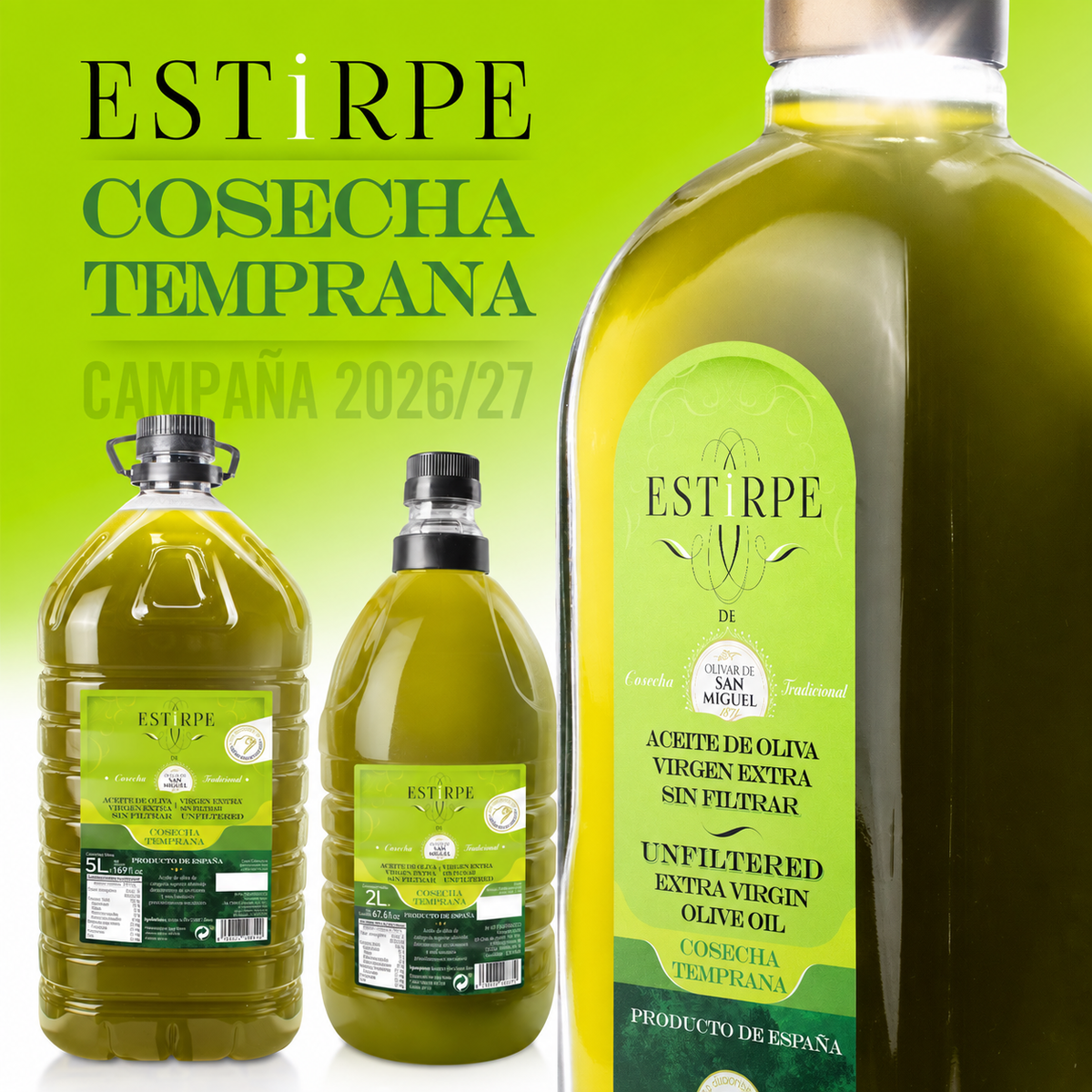
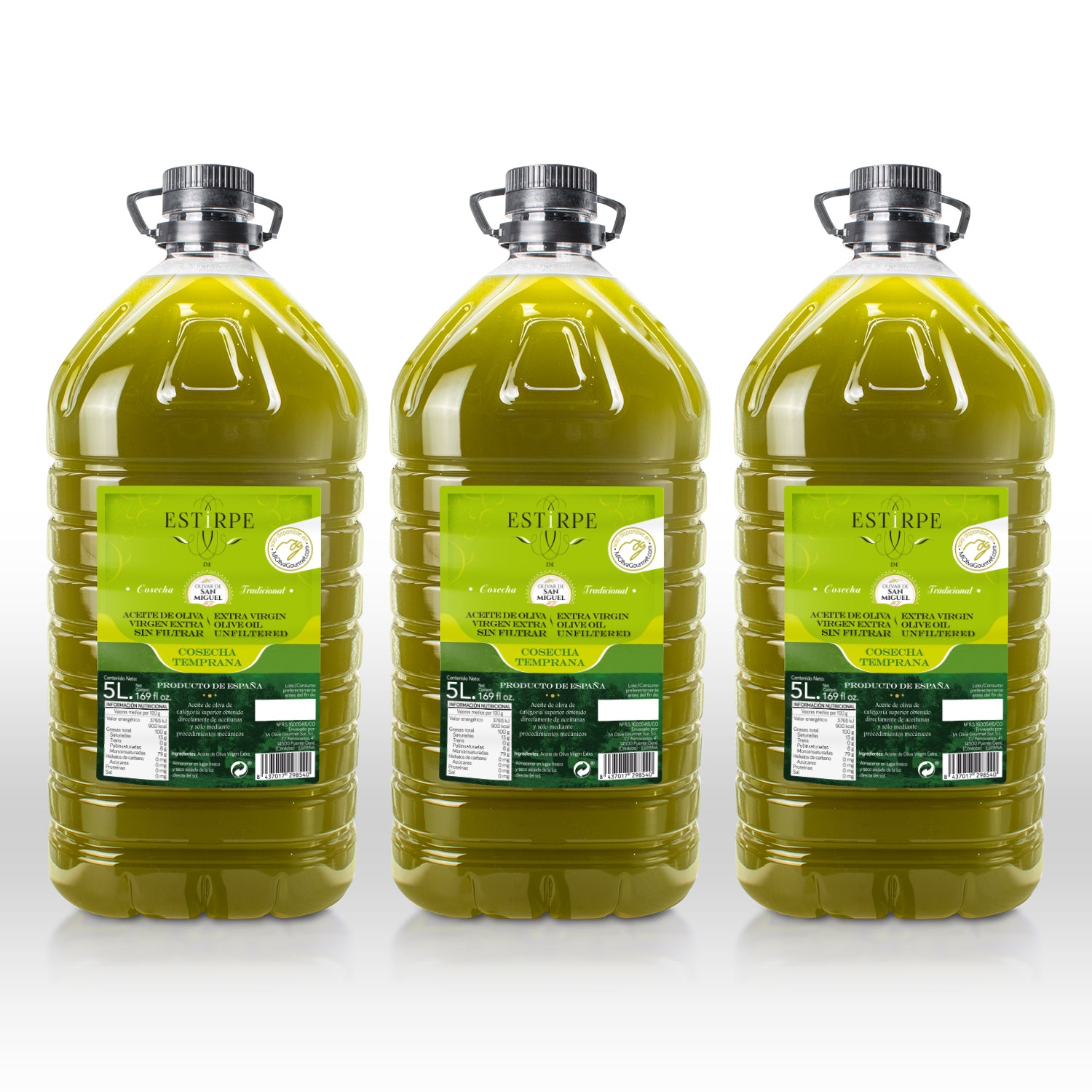
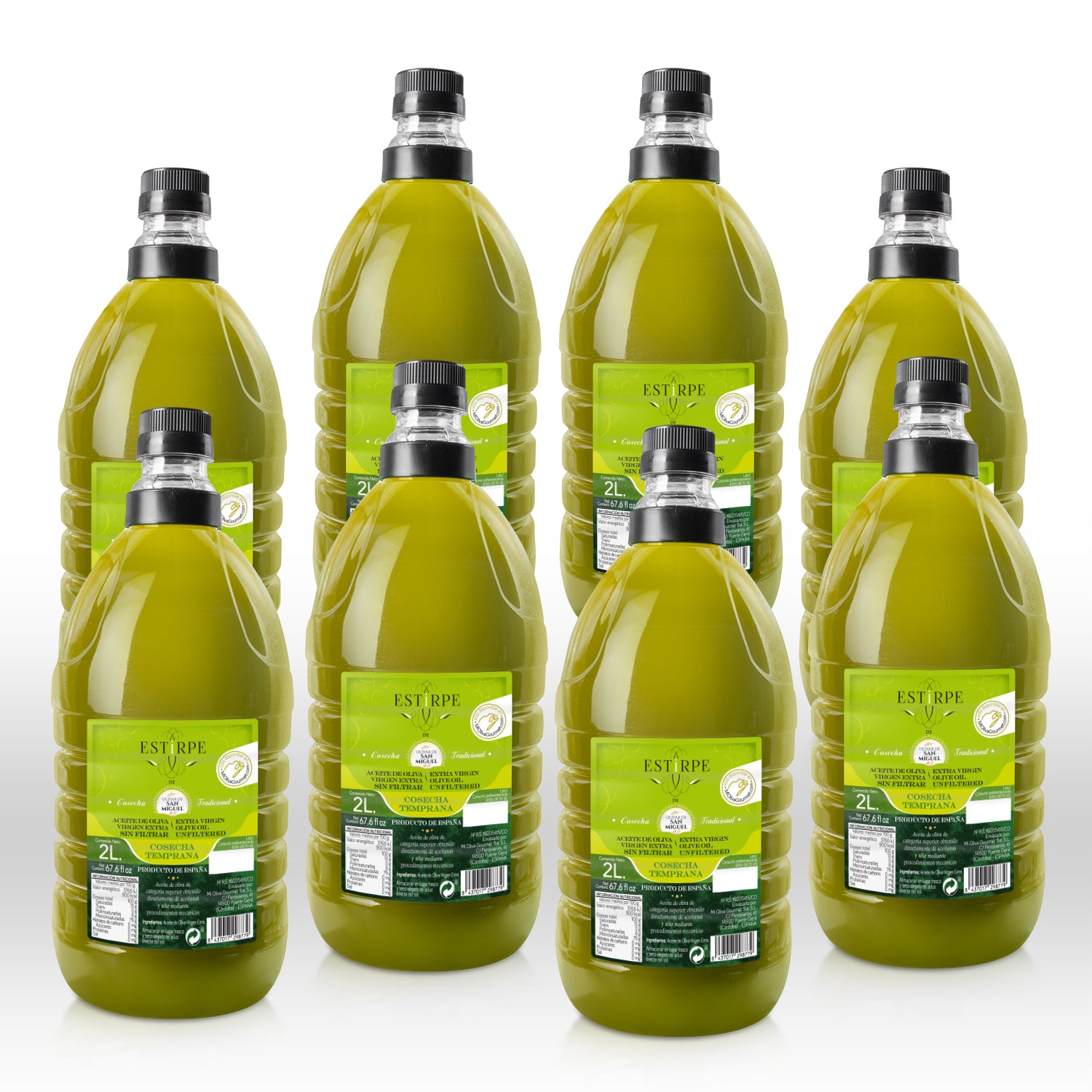
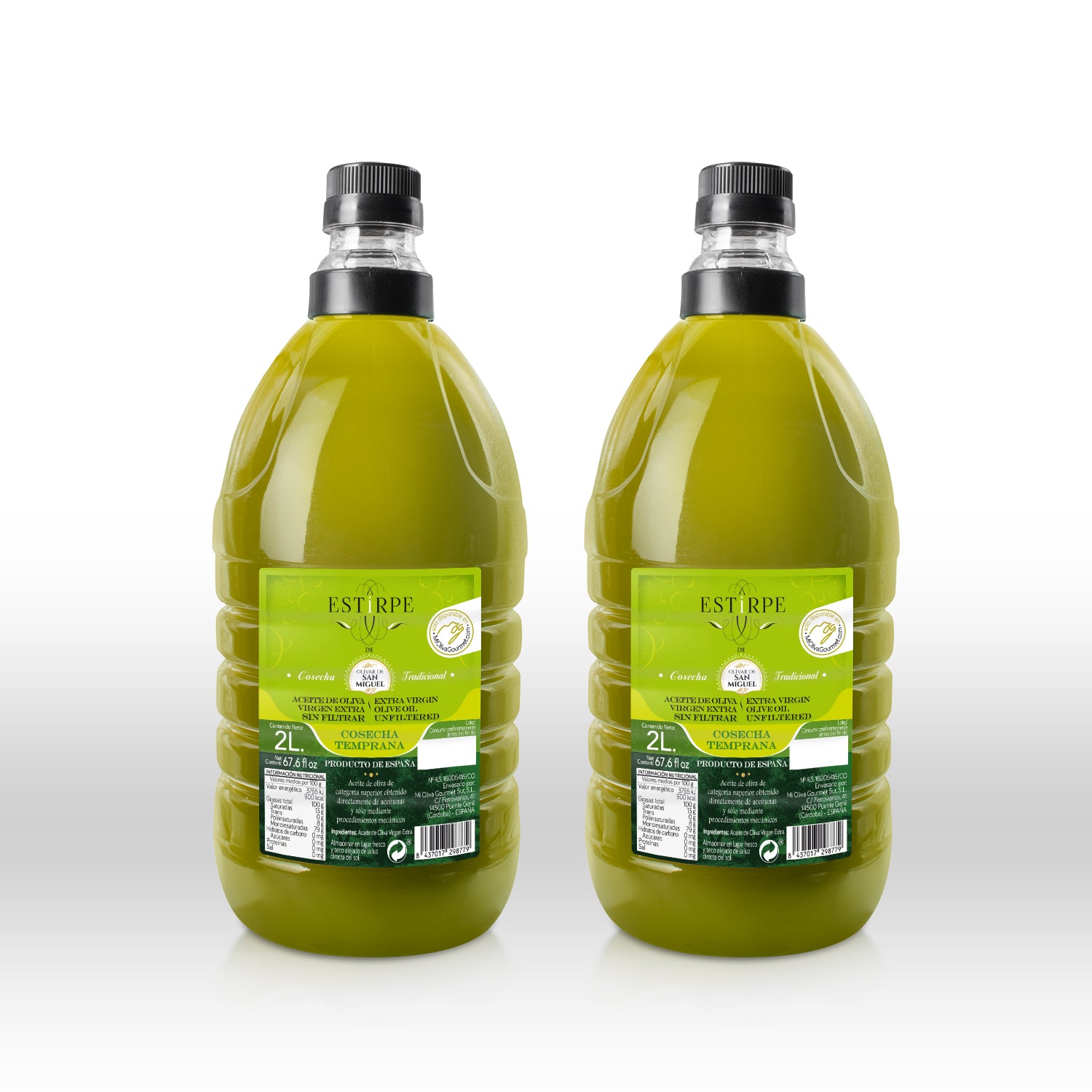
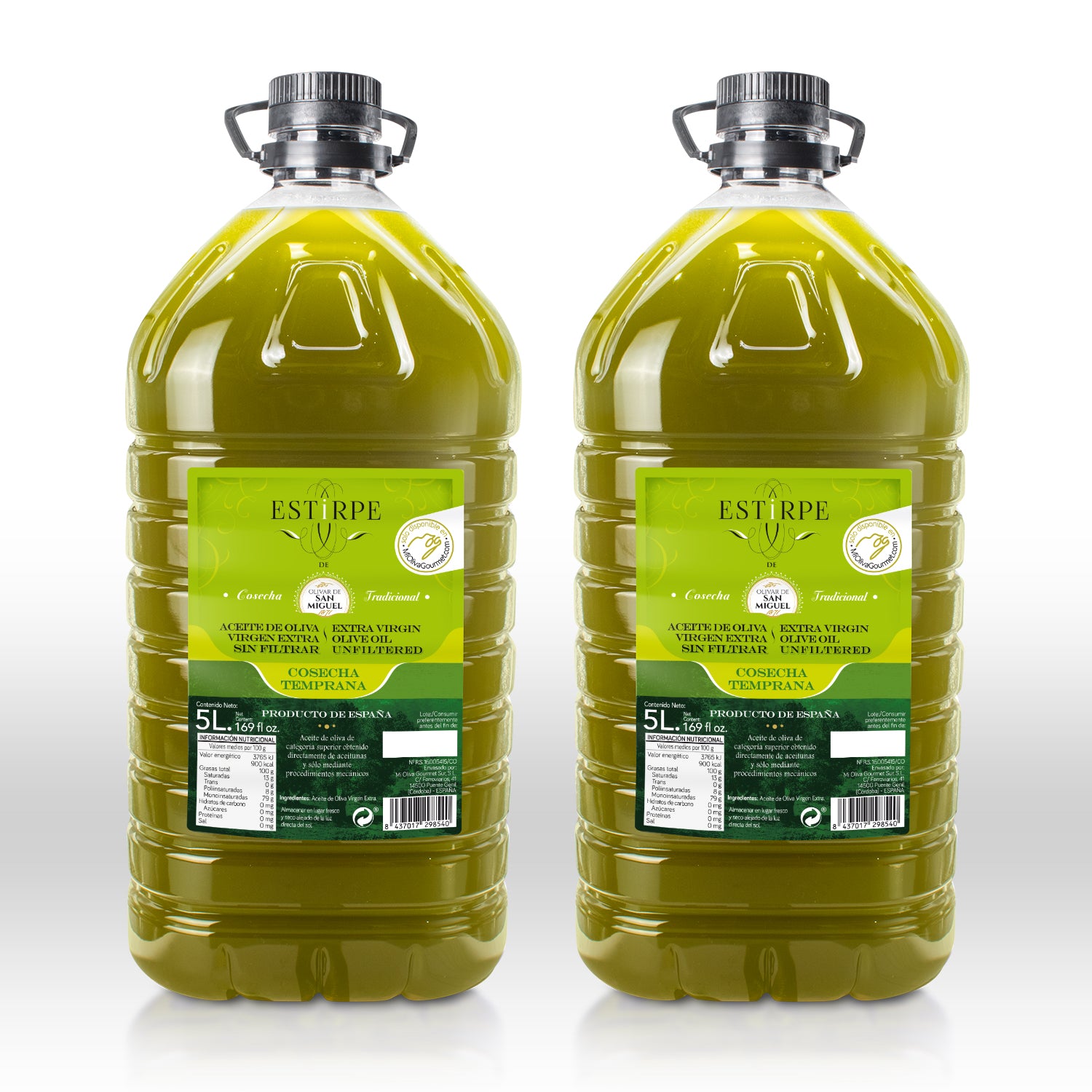
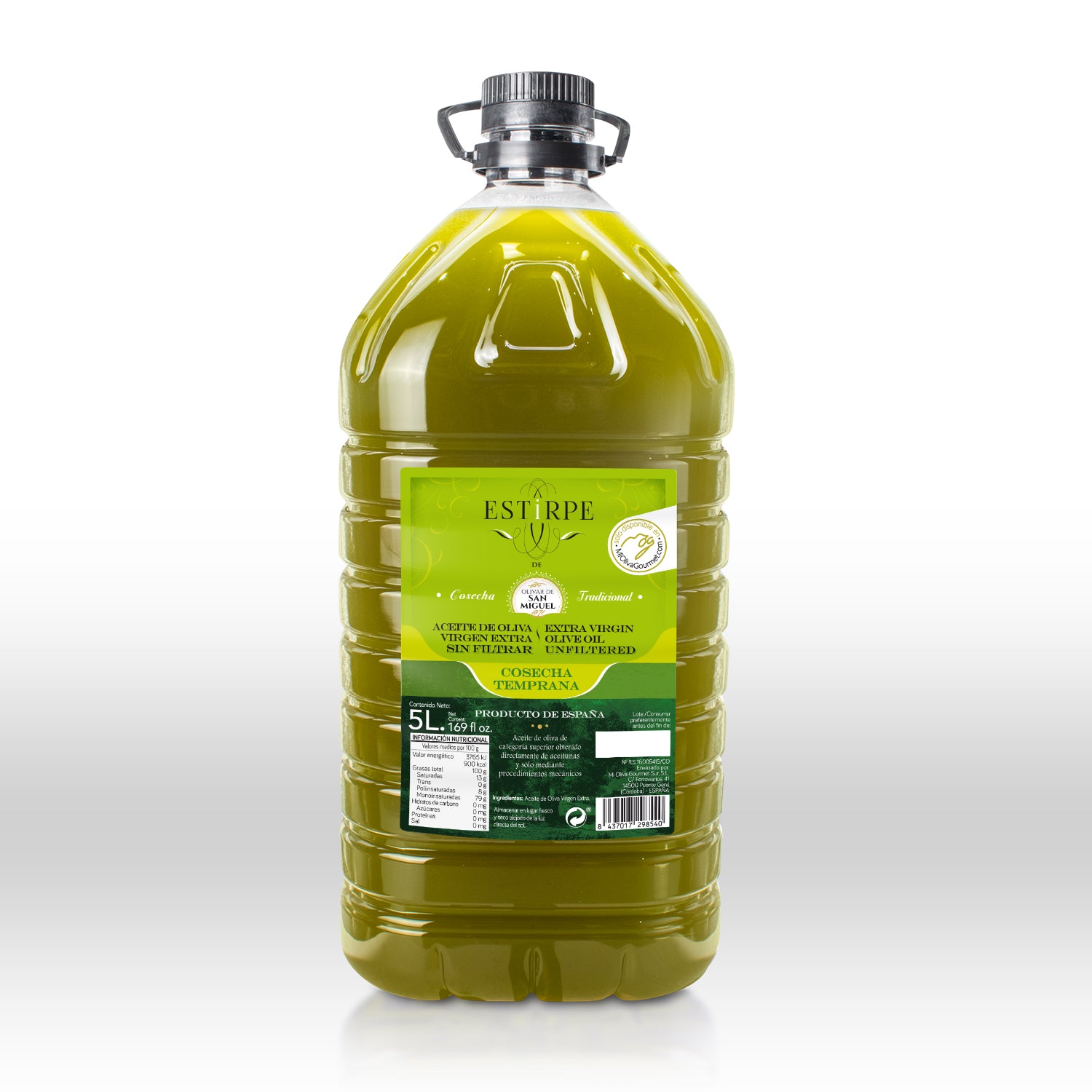
Plastic Jerrycans. Plastic jerrycans are an economical and practical option. While they do not offer the same light protection as dark glass bottles, the modern plastics used for EVOO packaging are generally high quality and BPA-free, minimizing the risk of chemical interaction with the oil.
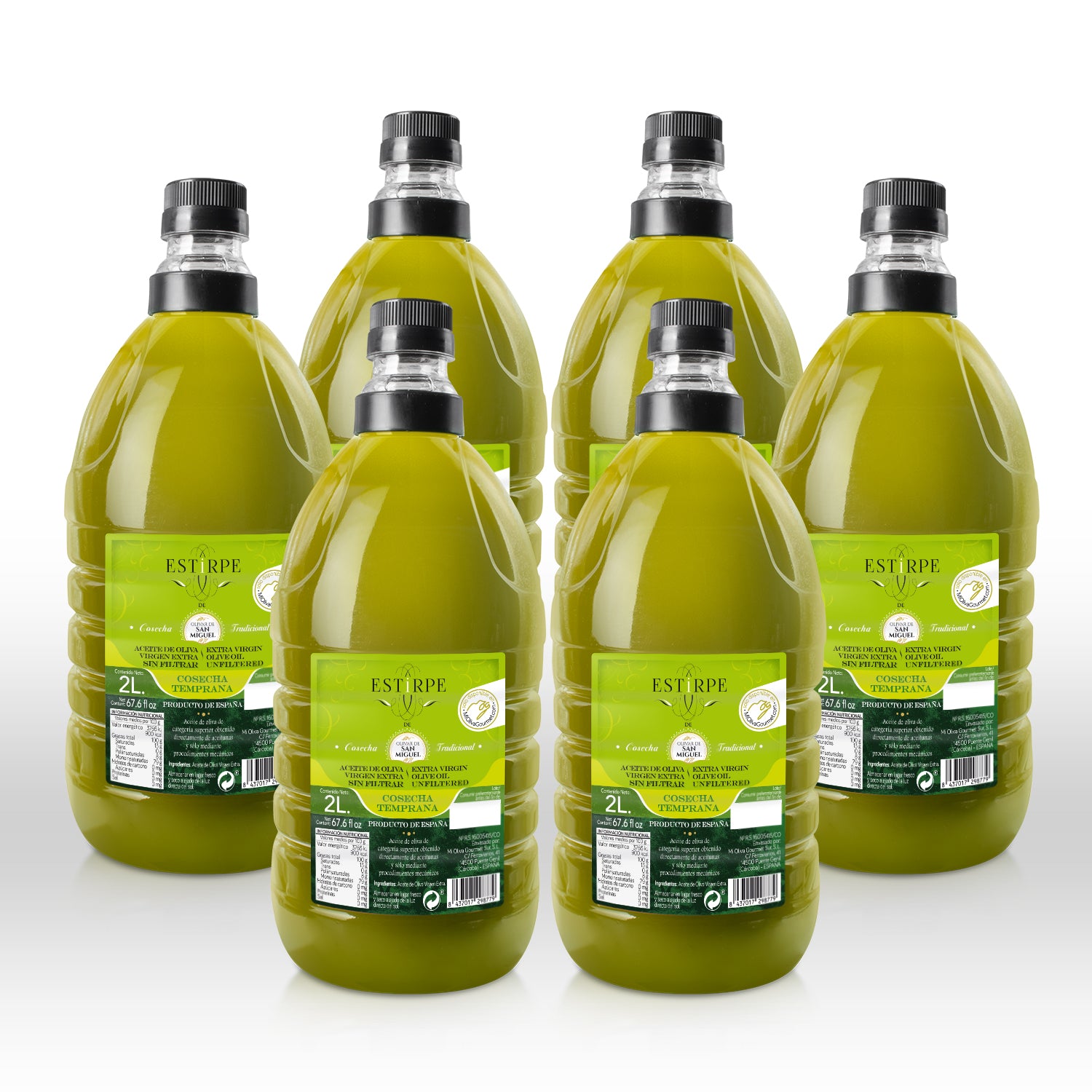
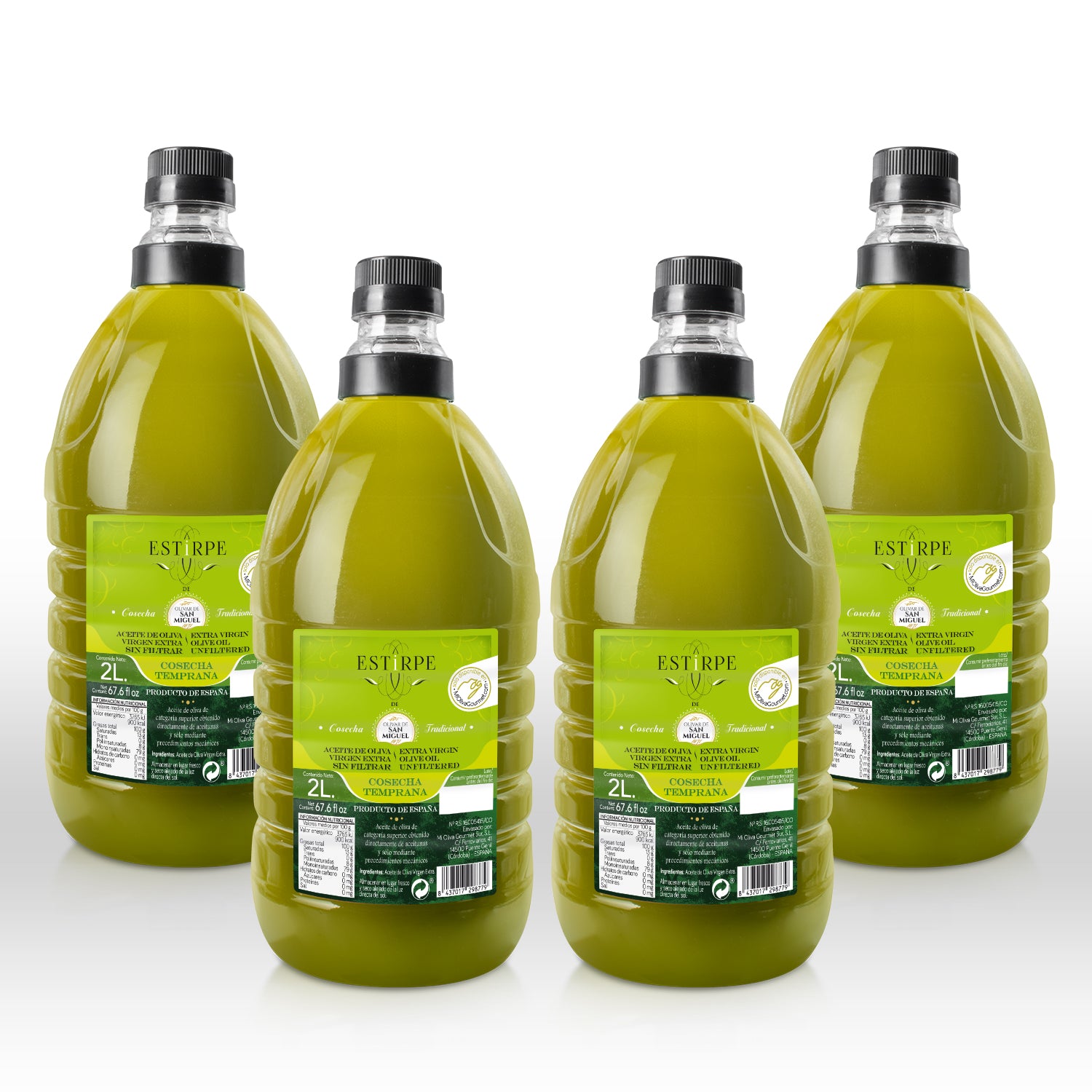
You can find Extra Virgin Olive Oils in large formats of 2L or 5L — even among premium and organic oils — but they must be kept in excellent storage conditions, particularly extra Arbequina, which is the most delicate of all. The main advantage of large formats is that they typically qualify for free shipping.
-
Single-Serve Portions. Single-serve portions are increasingly popular, especially in the foodservice sector and among consumers seeking convenience and portion control. These small containers are usually plastic or aluminium, but they degrade very quickly. Even a high-quality EVOO can deteriorate in under a month in this type of packaging.
-
Bag in Box. The Bag in Box format is an innovative option combining a flexible inner bag with a cardboard outer box. It protects the EVOO from light and air, as the bag contracts as the oil is used, preventing oxygen from entering. It is a convenient and eco-friendly choice for both domestic and professional use.
Each of these formats has its own advantages, and the right choice will depend on your specific needs — whether for personal use, restaurant kitchens, or long-term storage.
Quality and Labelling
How to Recognise a Good Extra Virgin Olive Oil
A good Extra Virgin Olive Oil should have a fresh, fruity aroma, a well-balanced flavor, and a low acidity (below 0.2%). A quality seal such as a PDO (Protected Designation of Origin) is also a useful indicator, though not a definitive one — many high-quality areas have yet to obtain this certification, as bringing so many growers to agreement is no easy task.
Understanding the Terms on the Label
Terms such as "cold first pressed" and "unfiltered" indicate a careful production process that preserves the oil's properties. "Extra virgin" is the highest classification, indicating that the oil has been obtained exclusively through mechanical means, with no chemical treatment of any kind.
Look at the harvest date, the olive variety, whether it is virgin or extra virgin, and the oil's origin. Always favor fresh, seasonal oils to ensure the best flavor and quality.
Final Thoughts
Extra Virgin Olive Oil is an exceptional product, prized for its flavor, aroma, and properties. Understanding its origin, production process, and uses will deepen your appreciation for it. Use Extra Virgin Olive Oil to bring out the flavor of your dishes and enjoy everything it has to offer. Always choose quality and freshness.
Extra Virgin Olive Oil is a world of flavors and benefits waiting to be explored. Keep discovering and experimenting with this remarkable product in your everyday cooking.




Leave a comment
This site is protected by hCaptcha and the hCaptcha Privacy Policy and Terms of Service apply.